Tour du Mont Blanc Starting Point: Where to Begin
The TMB is a loop, which means, technically, you can join it anywhere. But in practice, most hikers start in the same place, for good reason. Here's what you need to know before you decide.
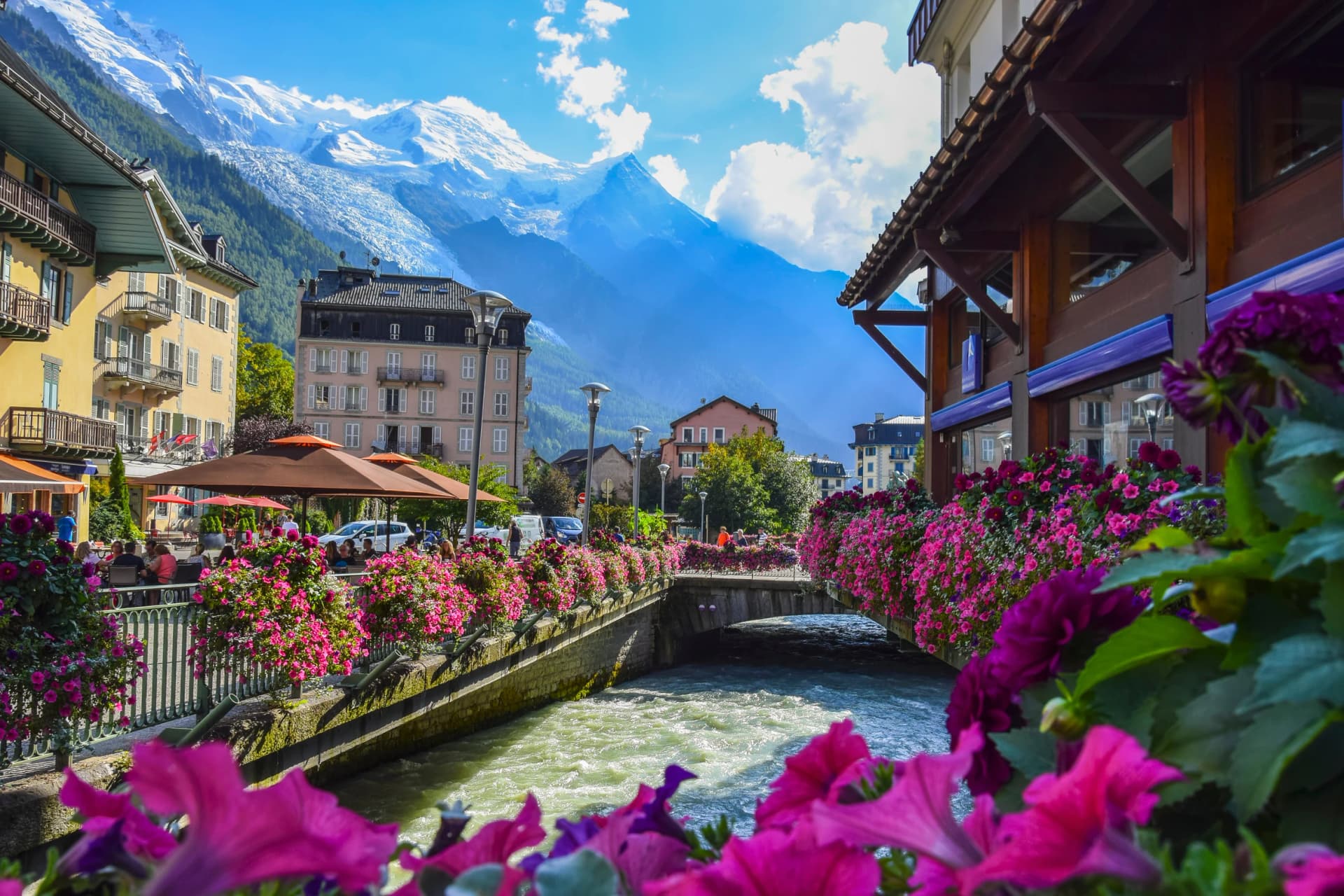
Quick links
Your first decision on the Tour du Mont Blanc happens before you've taken a single step on the trail. Where you start determines the order you experience everything. Which valleys, which passes, which border crossings come first. It also determines how you get there, where you sleep the night before, and what Day 1 looks like.
Les Houches: The Classic Starting Point:
The official and most popular starting point for the Tour du Mont Blanc is Les Houches, a small village just south of Chamonix in the French Alps, at 1,008 m. It's where the classic counter-clockwise route begins and ends, and where you'll find a dedicated TMB trail arch marking the official trailhead.
The village is quiet, easy to get to, and has everything you need the evening before: places to stay, a supermarket, and a relaxed atmosphere that feels a world away from the bustle of Chamonix, just a few kilometres up the valley.
Starting in Les Houches means the route builds naturally. The first stage climbs gradually into the mountains, giving you a chance to settle into a rhythm before the bigger passes ahead.
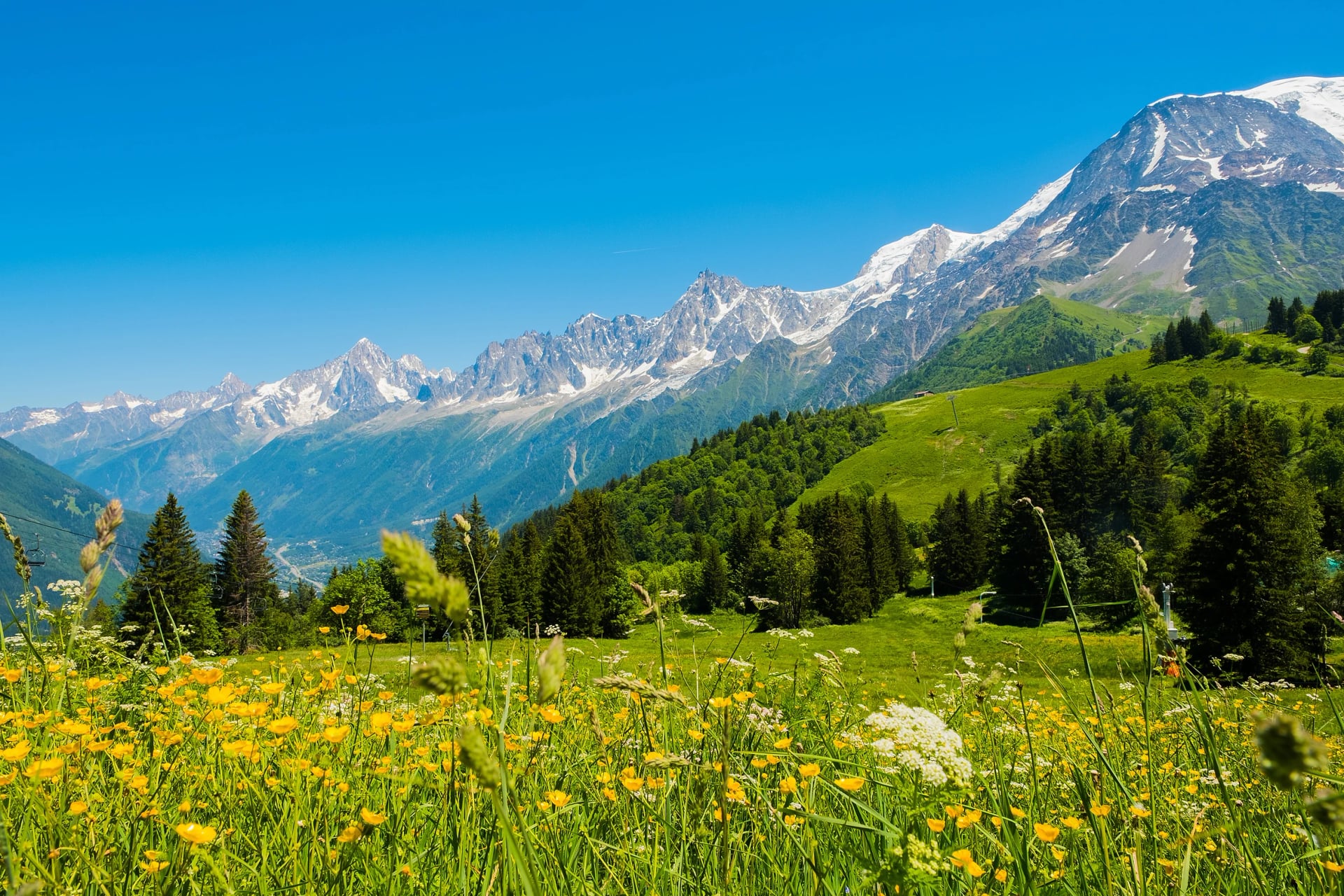
This is the starting point we use for our 11-day self-guided TMB, our guided Tour du Mont Blanc, our TMB in Comfort, and our Luxury Self-Guided TMB — all full-circuit routes that return to Les Houches on the final day.
What About Chamonix?
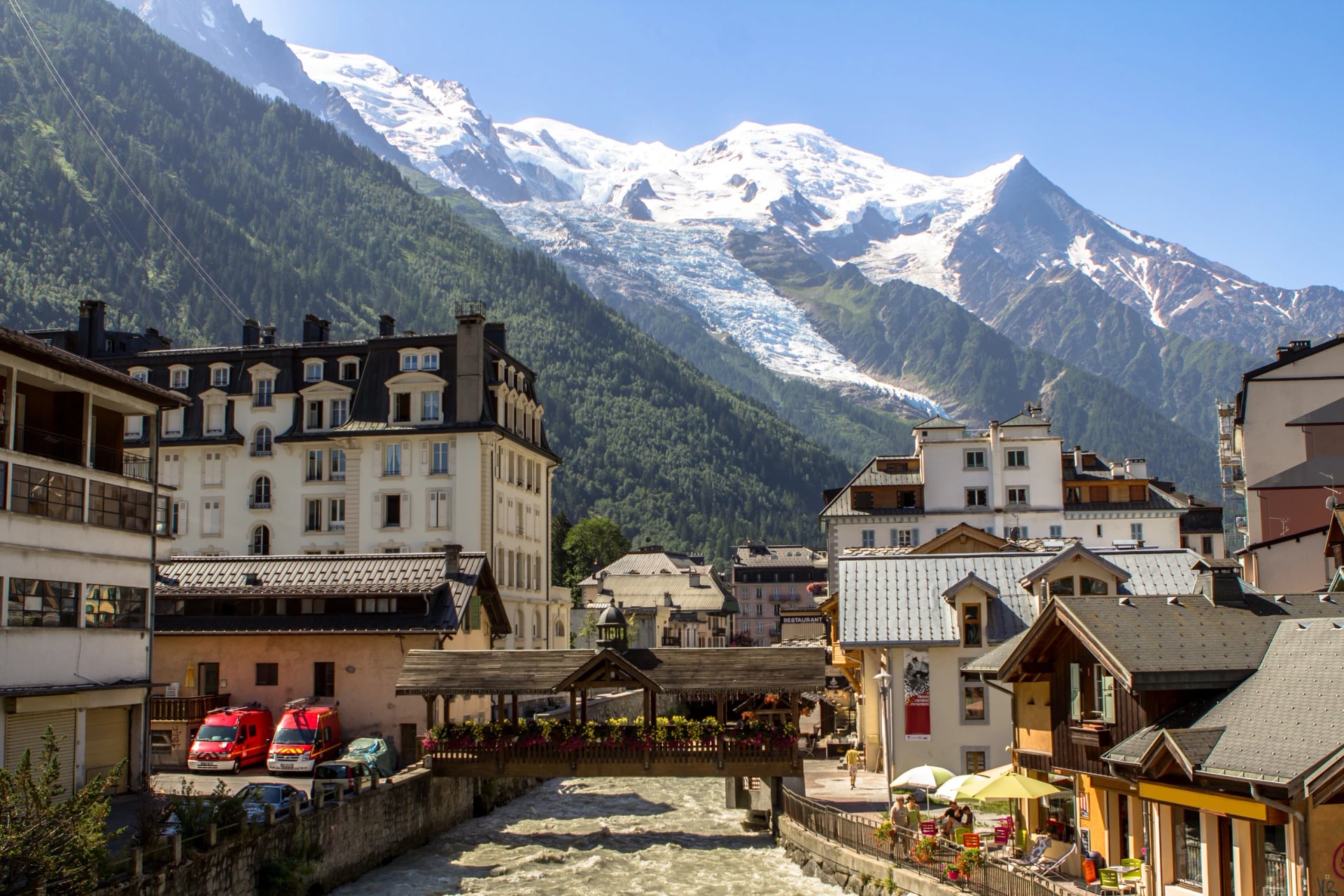
Chamonix is where most people fly into, stay the night before, and decompress after the hike. It's only about 6 km from Les Houches and is the natural hub for logistics, gear, and accommodation.
What surprises some people is that the TMB doesn't actually pass through Chamonix itself. The trail runs above the valley, through Les Houches on the way out and through Argentière and Tré-le-Champ on the return. While Chamonix is your base for everything before and after the trail, Les Houches is where the hiking starts.
If you're staying in Chamonix the night before, getting to Les Houches is straightforward. Buses run regularly and the journey takes around 15 minutes, or you can take the Mont Blanc Express train, which stops directly in Les Houches.
Starting in Courmayeur: The Option for Shorter Routes
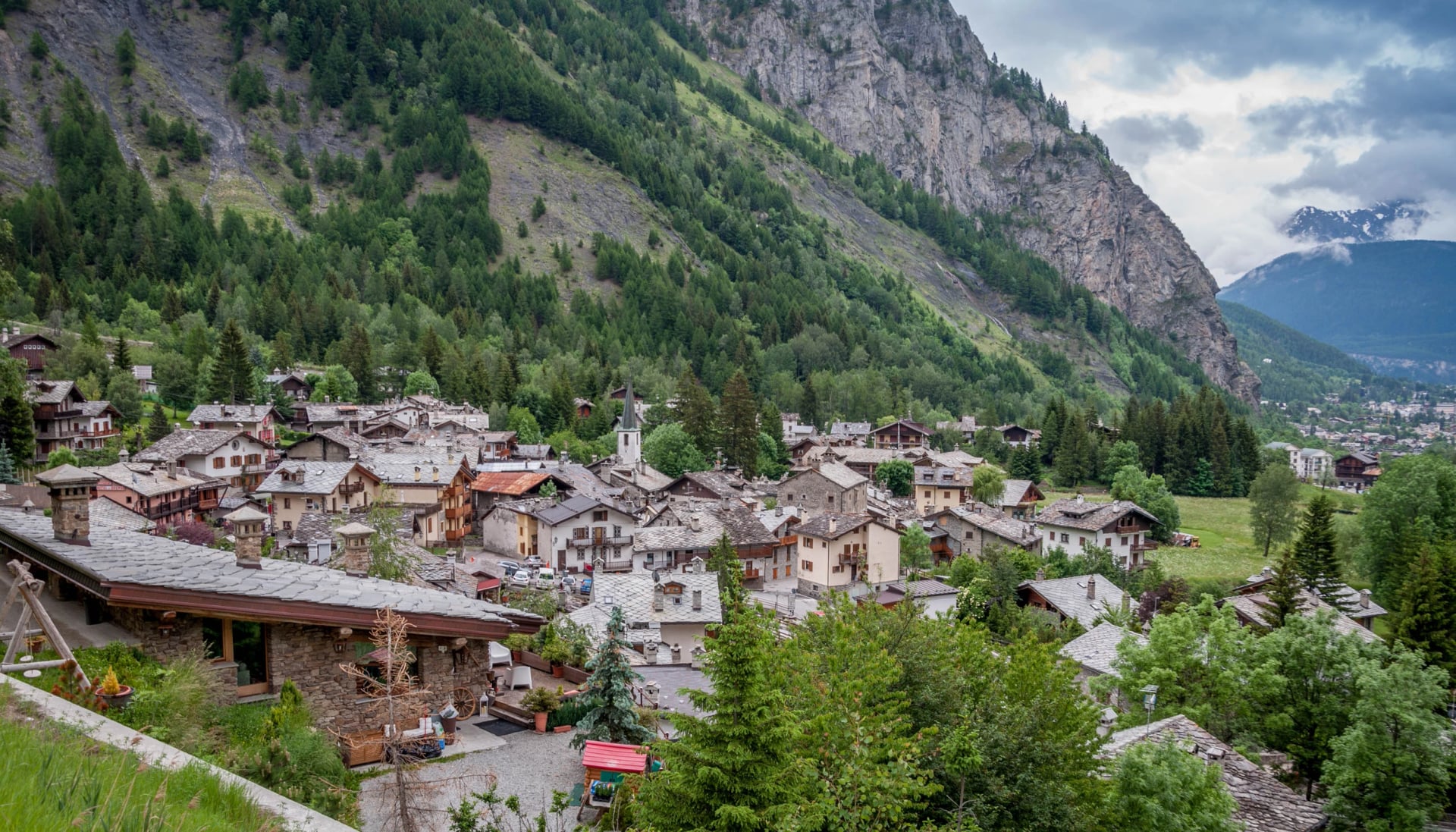
If you don't have 11 days for the full circuit, Courmayeur in Italy is the natural alternative starting point. It sits roughly at the midpoint of the loop and marks the beginning of what many consider the most spectacular stretch of the route — the Italian Val Ferret, the Swiss valleys, and the dramatic final return into the Chamonix valley.
Our 5-day TMB Highlights starts in Courmayeur and finishes in Chamonix, covering the best of the eastern half of the circuit across Italy, Switzerland, and France. It's a great fit for anyone who wants a genuine TMB experience without taking a full two weeks.
Courmayeur is reachable from Geneva (around 116 km, approximately 1.5 hours via the Mont Blanc Tunnel) or from Turin airport (around 151 km, approximately 1 hour 40 minutes). From Chamonix, a direct bus through the Mont Blanc Tunnel takes around 45 minutes. Note that the tunnel typically closes for several weeks each autumn for maintenance, so check dates if you're travelling in September or later.
Other Starting Points
Les Houches, Chamonix, and Courmayeur cover the needs of the vast majority of TMB hikers. But the route does pass through other towns, and a handful of them are worth knowing about, either because you might end up there for logistical reasons, or simply because you'll see them mentioned elsewhere and wonder if they're viable.
Champex-Lac (Switzerland)
Champex-Lac is the most commonly discussed alternative to Les Houches. It's a small, quiet lakeside town at 1,470 m, sitting between stages 7 and 8 of the classic itinerary.
Some planning resources list it as their preferred Swiss starting point, particularly for hikers who want a quieter atmosphere before and after the trek, or for those connecting from Zurich or Bern rather than Geneva.
The transport logistics, however, are more involved than from Chamonix. There is no direct connection from Geneva airport: getting to Champex-Lac by public transport requires multiple transfers and the total journey from Geneva takes around 3 to 5 hours depending on connections. By car it's about 2 hours. It's doable, but noticeably more effort than reaching Les Houches or Chamonix.
The other practical consideration is accommodation. Champex-Lac is a small village with limited options. In peak season, beds fill quickly and you'll want to book well in advance.
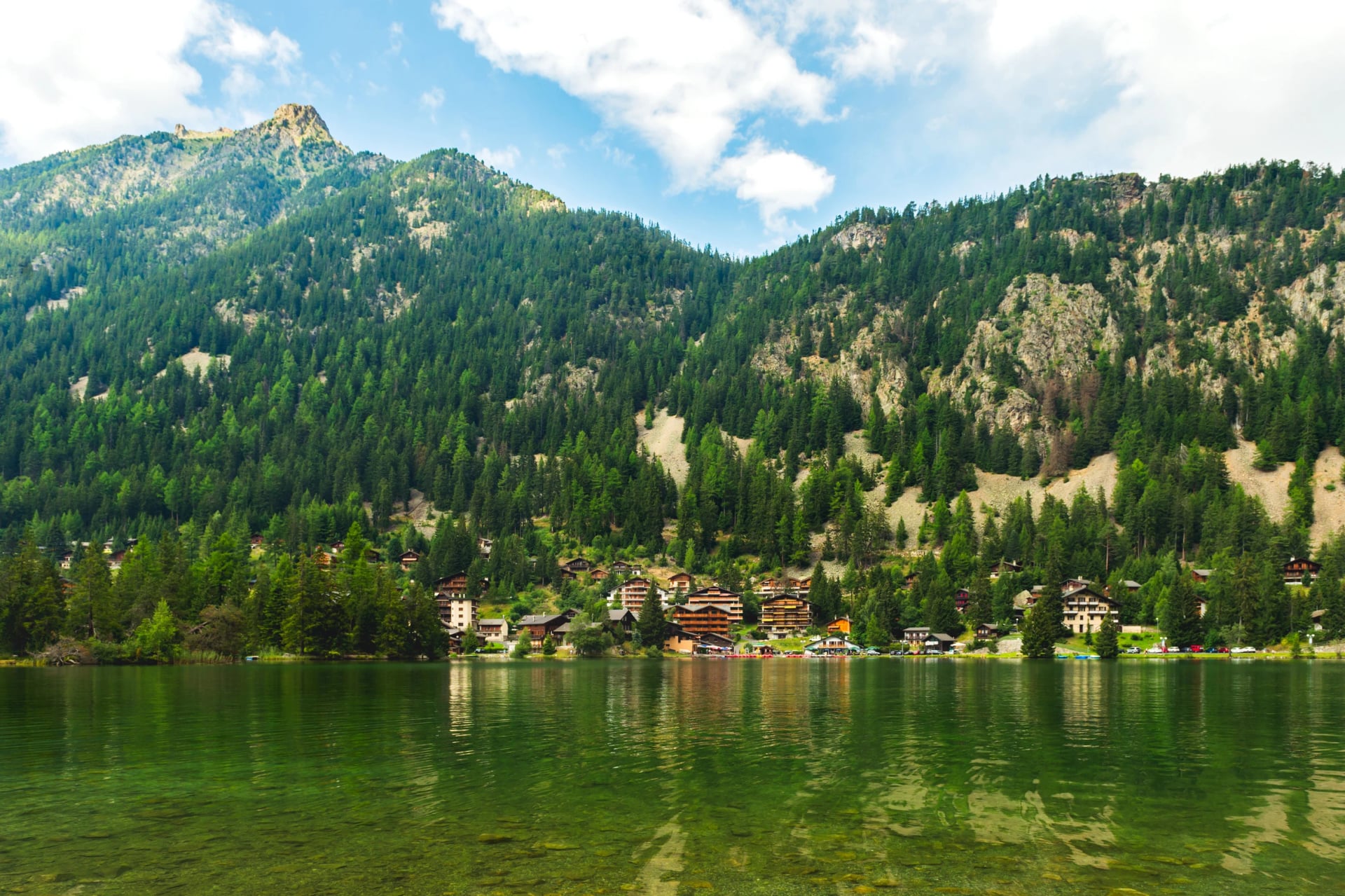
Les Contamines-Montjoie (France)
Les Contamines-Montjoie is the end point of Stage 1 from Les Houches and the start of Stage 2. It's occasionally mentioned as an alternative starting point, particularly for hikers who want to skip the first stage.
In practice, it's a less common and less convenient choice. Getting there without a car requires taking the Mont Blanc Express to Saint-Gervais, then catching a bus.
The village has accommodation and a supermarket, so it's functional. But unless you have a specific reason to start here, most hikers are better served by going to Les Houches and doing the full route.
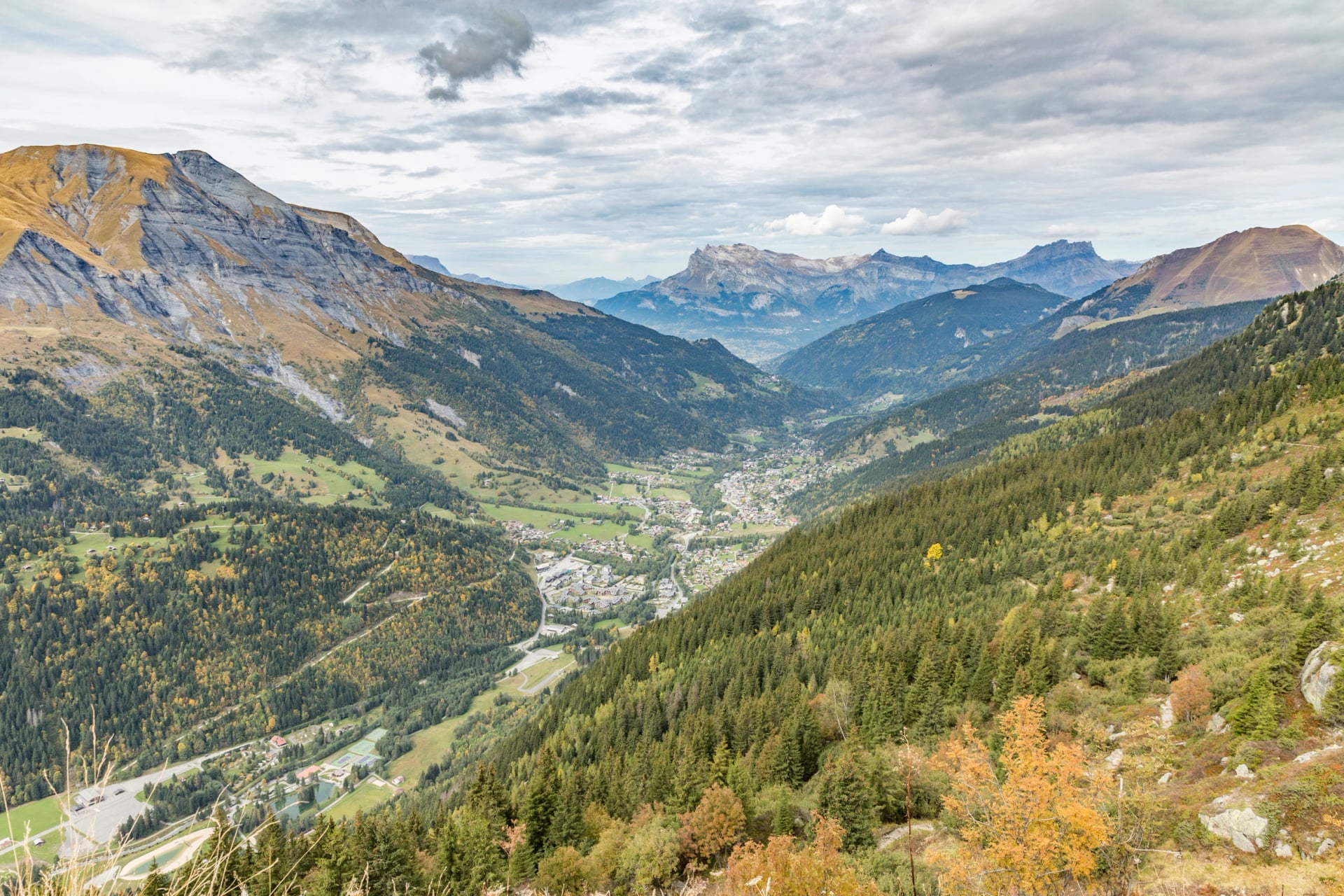
Trient (Switzerland)
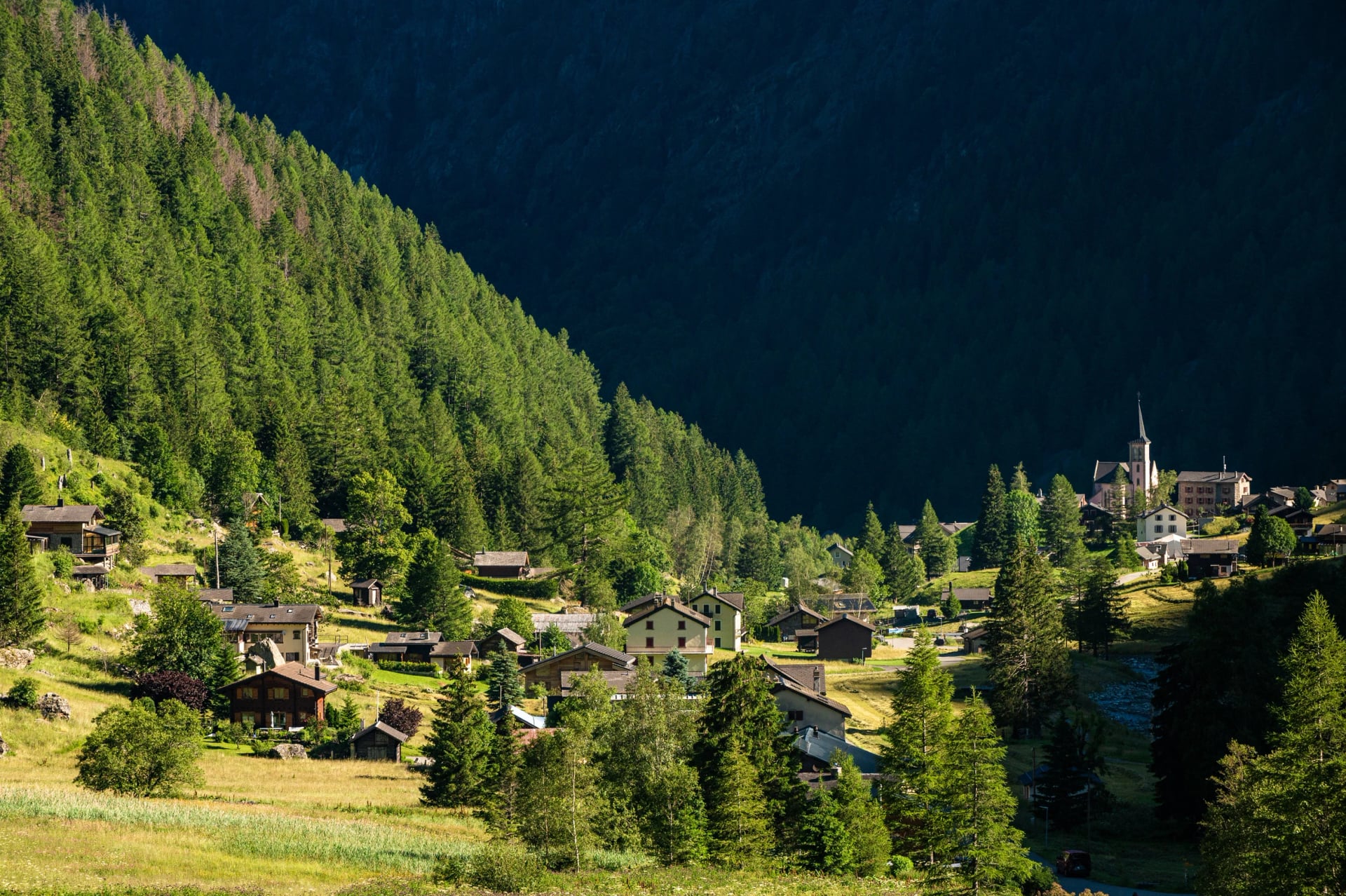
Trient is a tiny Swiss hamlet that sits between stages 8 and 9, just below the Col de Balme on the border with France. It's mentioned in a handful of planning resources as a theoretical entry point, usually in the context of hikers arriving from Swiss destinations or looking to walk just the final stretch back into the Chamonix valley.
The village is very small, accommodation is limited to a handful of options, and public transport access is poor. You can reach it by taxi from Vallorcine, or via a combination of trains and a steep path from the valley, but there's no easy direct connection from any major airport or transport hub. It works well as a waypoint or overnight stop, but it's not set up as a starting point for an independent hike.
Getting to Les Houches
From Geneva Airport
Geneva is the main international gateway for the TMB, around 90 km away. Direct shuttle transfers to Chamonix take approximately 1.5 hours, and from there it's a short bus or train hop to Les Houches. We offer airport transfers as an optional add-on on all our tours.
By train
The Mont Blanc Express connects Chamonix Saint-Gervais to Les Houches in around 15 minutes, with regular departures throughout the day.
By bus
Buses connect Chamonix and Les Houches throughout the day. With no booking required it’s a simple option if you're already in the valley.
By car
Parking is available in Les Houches, though in peak season it's worth checking ahead. Most hikers on a multi-day tour prefer not to leave a car for 11 days; transfers tend to be the simpler option.
The Night Before: Les Houches or Chamonix?
Both work well. Les Houches is quieter, more affordable, and puts you right at the trailhead, which makes the morning of Day 1 straightforward. Chamonix has a much wider choice of accommodation and restaurants, and if you want a proper send-off evening with good food and the energy of an alpine town, it's worth the extra few minutes on the bus the next morning.
Whichever you choose, arriving the evening before your start day is strongly recommended. It gives you time to sort your kit, eat well, sleep properly, and begin Day 1 feeling ready rather than rushed.
Not sure where to start? Our full tour range has options from both Les Houches and Courmayeur to suit every pace and expectation.


Hassle-Free
We handle itineraries, accommodations, and anything else you prefer not to deal with, so you can enjoy a carefree hike.

Book with confidence
We are a financially protected company, fully bonded and insured, keeping your money safe and allowing you to travel with confidence.

Tried & Tested Adventures
Only the best adventures on the TMB, cherry-picked by our local team with an in-depth knowledge of the region.

Unbeatable support
Our 24/7 customer support is where we show our passion, bringing you a better experience by making your well-being our number one priority.