Tour du Mont Blanc Difficulty: The Honest Truth
Everything you need to know about Tour du Mont Blanc difficulty: daily elevation, the hardest stages, the famous ladders, and how to know if you're ready.
Quick links
The Tour du Mont Blanc is one of the most famous long-distance treks in the world. And for good reason.
Yes, the trail is well-marked. Yes, thousands of people complete it every year — experienced hikers and first-timers alike. And no, you don't need mountaineering skills or technical experience to hike it. But with 170 kilometres and 10,000 metres of elevation gain across up to 11 consecutive days on your feet, it pays to know what you're getting into before you go.
So how hard is the Tour du Mont Blanc, really?
The answer depends on your fitness, your preparation, and how well you understand what's ahead. This post breaks it all down, so you can show up confident, prepared, and ready to enjoy every step of it.
How Hard Is the Tour du Mont Blanc?
The Tour du Mont Blanc is not technically difficult. But it is genuinely, physically demanding. It will test your endurance, your knees, your feet, your mental resilience, and your ability to keep moving. It will push you, yes, but in that deeply satisfying way that only a proper mountain adventure can.
The honest answer is that it depends on you. The TMB is not technically difficult. You won't be roping up, crampon-ing across glaciers, or navigating exposed ridges that require mountaineering skills.
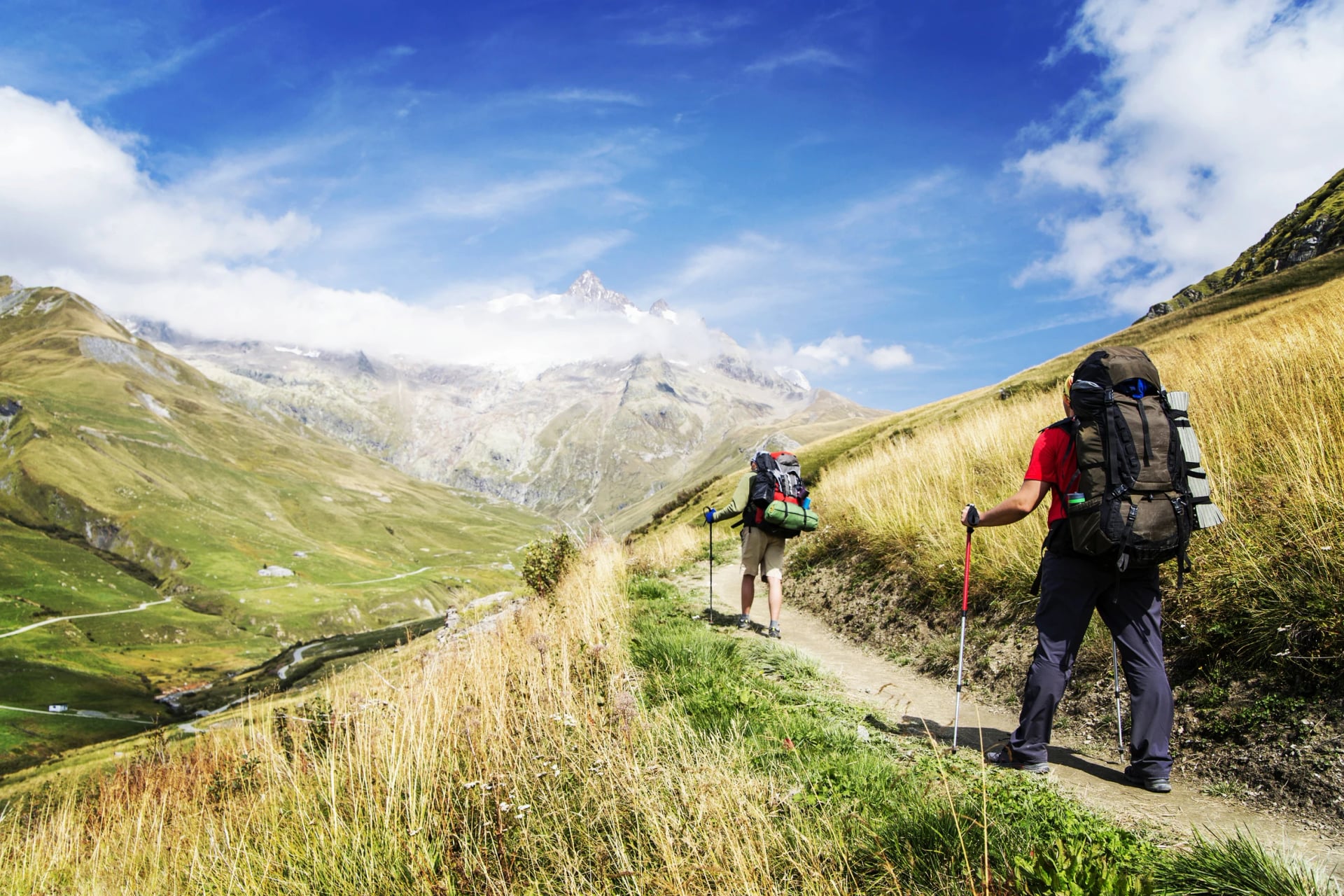
The good news: with proper preparation, the Tour du Mont Blanc difficulty is absolutely manageable for motivated hikers of all ages and many fitness levels. A 10-year-old and a 65-year-old have both completed it. So have complete beginners and so have elite ultramarathon runners (who do it in under 24 hours, just to put things in perspective).
Let's break down exactly what you're dealing with.
Tour du Mont Blanc Distance, Elevation & Key Stats
Metric | Classic TMB |
Total distance | ~170 km (105 miles) |
Total elevation gain | ~10,000 m (33,000 ft) |
Total elevation loss | ~10,000 m (33,000 ft) |
Number of countries | 3 (France, Italy, Switzerland) |
Number of stages | 11 |
Typical duration | 9–11 days |
Daily walking time | 5–9 hours |
Average daily elevation gain | ~ 700–1,000 m (3,300 ft) |
Highest point | ~2,537 m at Grand Col Ferret |
To put it in perspective: 10,000 m of elevation gain spread across 9 to 11 days is a serious undertaking, but one that thousands of hikers complete successfully every year.
The key is not underestimating the cumulative effort, and arriving prepared.
Physical Demands: What Your Body Is In For
Endurance is the main challenge
The single biggest contributor to Tour du Mont Blanc difficulty is not any one steep climb or tricky section. It's the accumulation. You're hiking for 5 to 9 hours a day, for up to 11 days in a row. Every single stage involves sustained ascent and descent.
Your legs, particularly your quads, hamstrings, and knees, will absorb the impact of thousands of downhill steps on rocky terrain. Descents are often harder on the body than climbs. By day 6 or 7, even experienced hikers feel the wear.
What a typical day looks like
On the classic TMB, you can expect roughly:
Distance: 15 km (10 miles)
Elevation gain: ~1,000 m (3,300 ft)
Elevation loss: ~1,000 m (3,300 ft)
Walking time: 5–9 hours including breaks
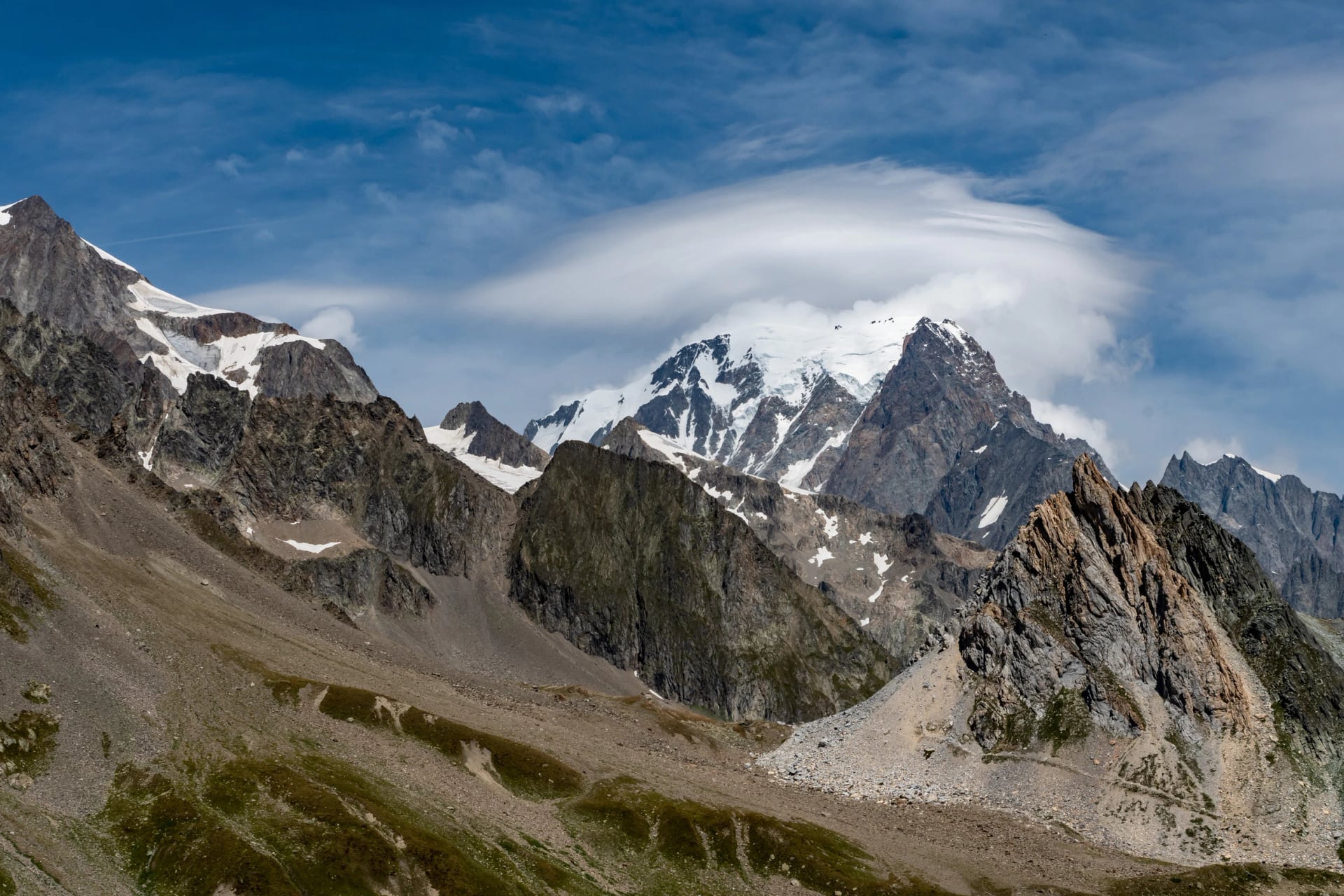
Some days are shorter and gentler. Some, like the legendary Stage 4 over Col de la Seigne, are close to 10 hours of demanding hiking.
The mental challenge
The TMB is as much a mental adventure as a physical one. There will be tough moments — a long climb in the afternoon heat, a cold and misty pass, but these are also the moments that make the experience so rewarding. The hikers who finish are rarely the fittest; they're just stubborn enough.
Technical Difficulty: What the Trail Actually Looks Like
This is where many hikers are pleasantly surprised: the Tour du Mont Blanc is not technically difficult.
There is no glacier travel on the standard route. There is no rock climbing. There are no sections that require mountaineering equipment. The trails are well-marked (look for the yellow TMB waymarks) and, outside of the famous ladder section (more on that below), there is nothing that demands specialist skills.
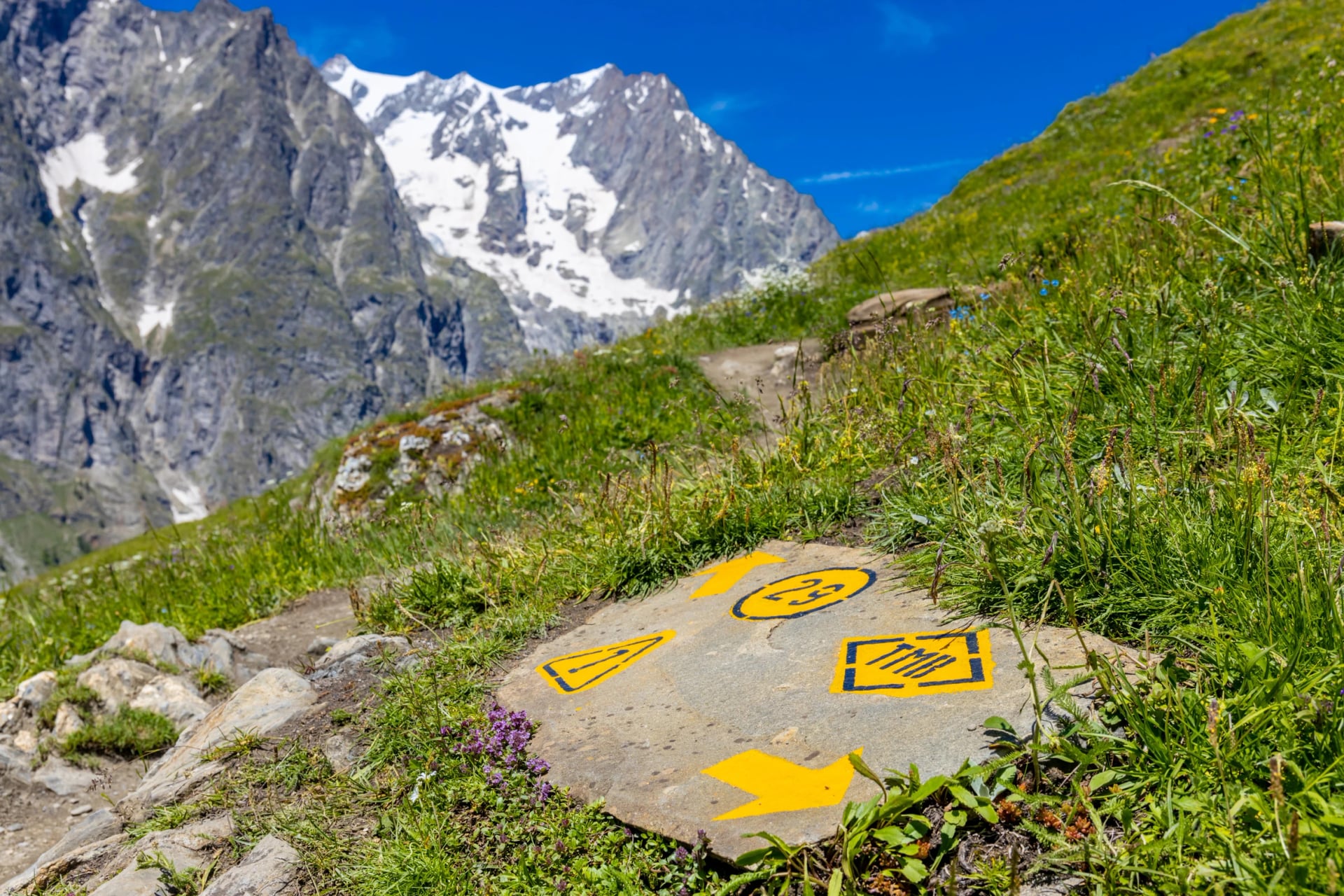
What you will encounter is varied, engaging mountain terrain: well-worn alpine paths, open ridgelines with sweeping views, forested valley sections, and the occasional rocky stretch where you'll want to watch your footing. One stage features the famous metal ladders. An assisted, protected section that most hikers describe as one of the most memorable moments of the trek. If you're hiking early in the season, some higher passes may still carry patches of snow.
The hardest technical sections are found on the variants, not the main route. The Fenêtre d'Arpette, for example, is a significantly more demanding alternative to the standard pass between Champex and Col de la Forclaz. Steep, loose, and requiring good balance and confidence on rocky ground.
The Tour du Mont Blanc Ladders: Everything You Need to Know
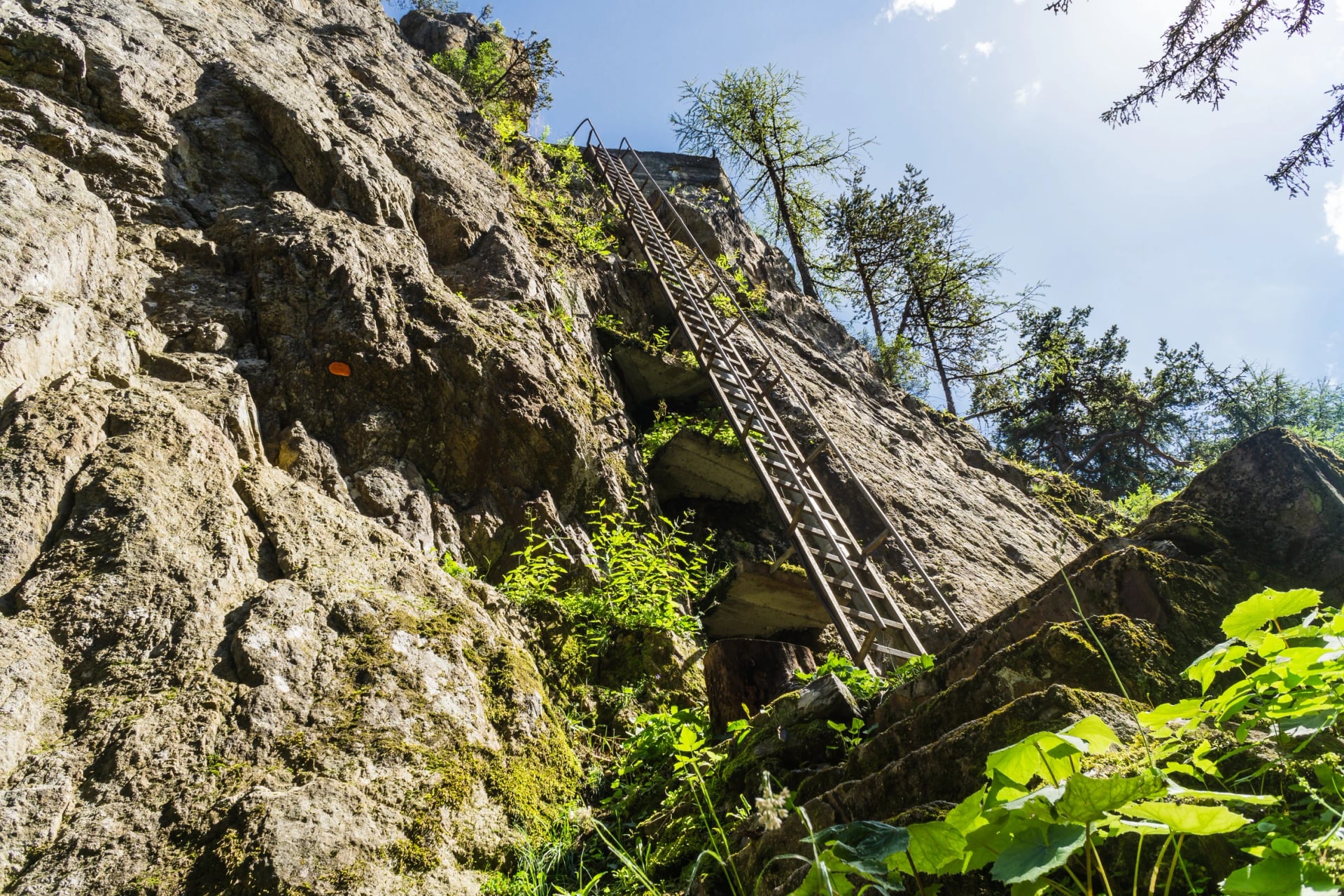
If you've been researching the Tour du Mont Blanc, you've almost certainly come across worried mentions of "the ladders." They have a fearsome reputation on TMB forums, but the reality is far less dramatic than the hype.
Here's everything you need to know.
Where are the TMB ladders?
The ladder section is found on Stage 10 of the Tour du Mont Blanc (walking counter-clockwise). You set off from the small hamlet of Tré-le-Champ at around 1,417 m and follow a well-marked trail that climbs steadily through forest before opening up above the treeline. After roughly 1.5 hours of hiking, the terrain becomes rockier and the path begins weaving through a series of granite crags. This is where the ladders begin.
The section sits just above and beyond the Aiguillette d'Argentière, a dramatic rock pinnacle that's a landmark you'll recognise when you see it. The ladders are fixed into the rock face, guiding you up through what would otherwise be an impassable cliff. They climb in stages, interspersed with stretches of normal rocky trail, fixed handrails, and metal footholds.
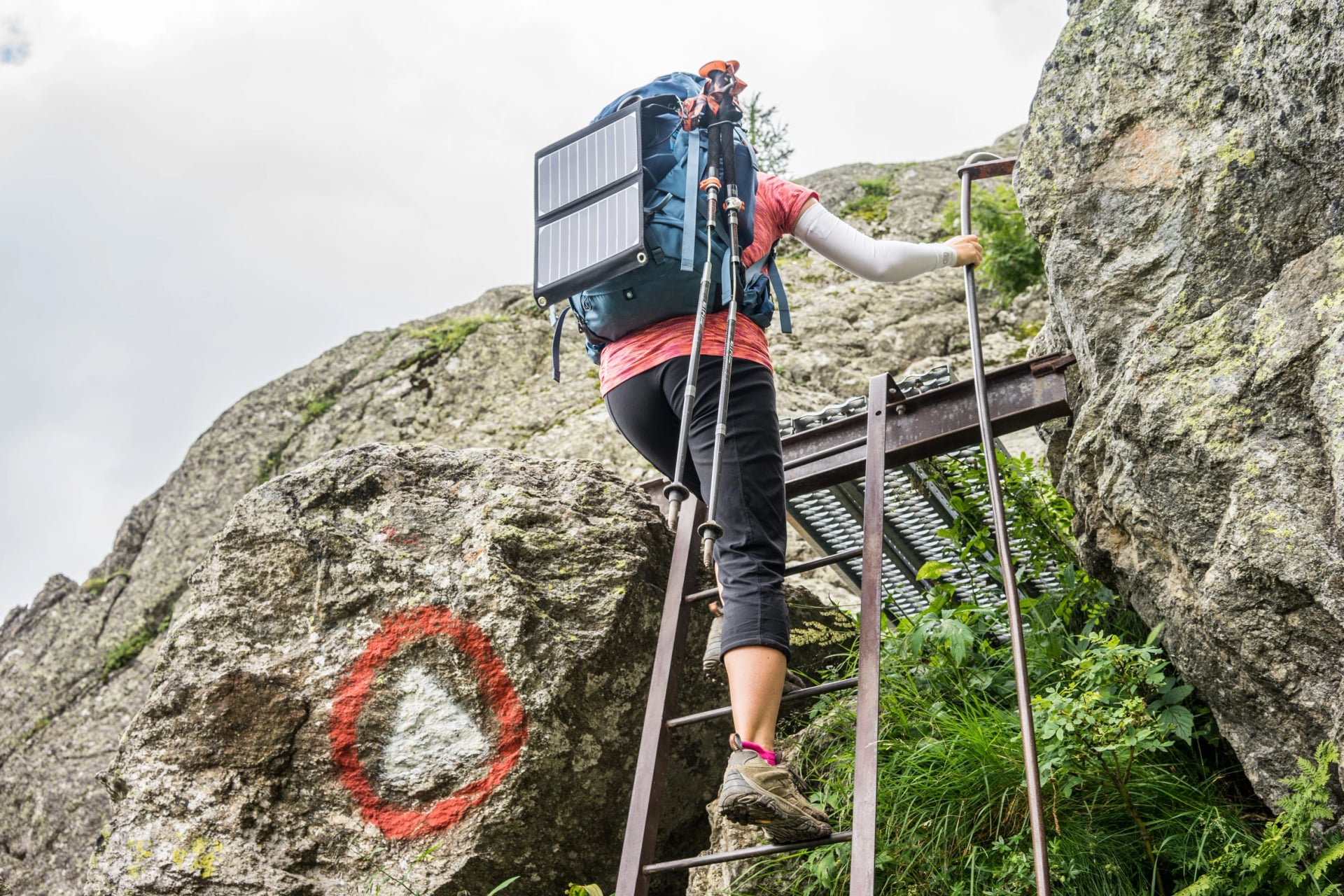
The sequence ends at the Tête aux Vents cairn at 2,132 m. The whole ladder sequence from the first rung to the Tête aux Vents takes most hikers between 30 and 45 minutes to complete.
Outside of Stage 10, the only other ladders on the TMB are a short ladder on the ascent to Lac Blanc and a small one on the descent toward Argentière — both on the Lac Blanc variant, not the classic route. If you're sticking to the standard itinerary, Stage 10 is the only place you'll encounter ladders.
What are the Tour du Mont Blanc ladders actually like?
The Stage 10 section consists of 9 sets of metal ladders bolted directly into the rock face. The tallest ladder is approximately 8 metres high (that's about the height of a two-storey building). The rest are considerably shorter, with most taking under a minute to climb.
The key thing to understand is that this is an aided, protected route, officially known in French as a passage délicat. The fixed infrastructure is there precisely to make what would otherwise be a steep rocky scramble safe and accessible for hikers. It is inspected and maintained at the start of each season by the local Guides Office.
Here's what to expect as you work through the section:
The trail approaches gradually, so you'll see the crags ahead before the first ladder arrives
Ladders are interspersed with regular rocky trail, it's not one continuous vertical climb
The longest ladder comes roughly halfway through and is noticeably steeper than the others
Fixed handrails and metal steps guide you across the rocky sections between ladders
The full sequence ends at the Tête aux Vents cairn, where the alternative route rejoins and the hardest part is behind you
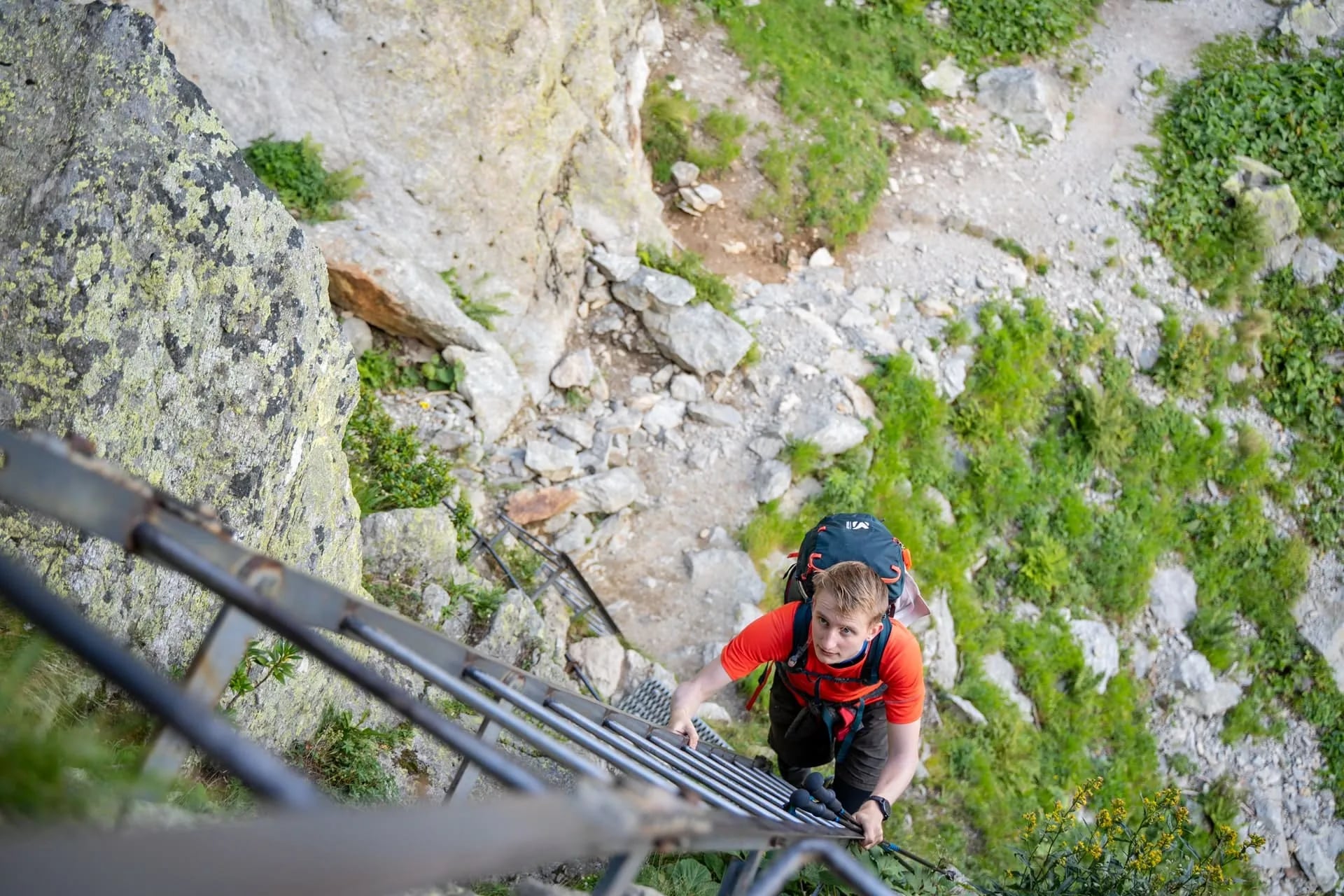
For most hikers, the ladders are a highlight of the entire trek. A memorable, adventurous moment that breaks up what might otherwise be a straightforward mountain ascent. Families regularly complete them, children love them, and many hikers describe them as one of the most fun parts of the whole TMB.
Are the TMB ladders dangerous?
No, provided conditions are good and you approach them sensibly.
The ladders are safe, solidly built, and have an excellent safety record. The exposure is real but manageable, and the fixed infrastructure means you are never without a handhold.
That said, a few conditions can make the ladders more demanding:
Wet weather: Rain makes the metal rungs slippery. If it has rained overnight or conditions are foggy, take the alternative route or wait for the metal to dry before setting off.
Significant vertigo: If heights are a genuine issue for you, the alternative route is a perfectly valid choice, and it has its own rewards (more on that below).
Timing also matters. Early in the season, typically before mid-July, ice and residual snow are possible on higher sections, which can make the ladders more challenging. If you're planning a June TMB, it's worth reading up on when to hike the Tour du Mont Blanc before you commit to a date.
Outside of these conditions, the TMB ladders are well within the reach of any reasonably fit hiker.
Can you avoid the TMB ladders?
Yes, completely. The alternative route starts from the Aiguilles Rouges National Park Information Centre at Col des Montets, about 10–15 minutes further up the road from the main Tré-le-Champ trailhead. It follows a higher balcony path above the ladder section and rejoins the main TMB route at the Tête aux Vents cairn.
The alternative is actually a beautiful route in its own right. It’s less crowded, with wider views, and with a good chance of spotting ibex on the hillside. It is not a consolation prize.
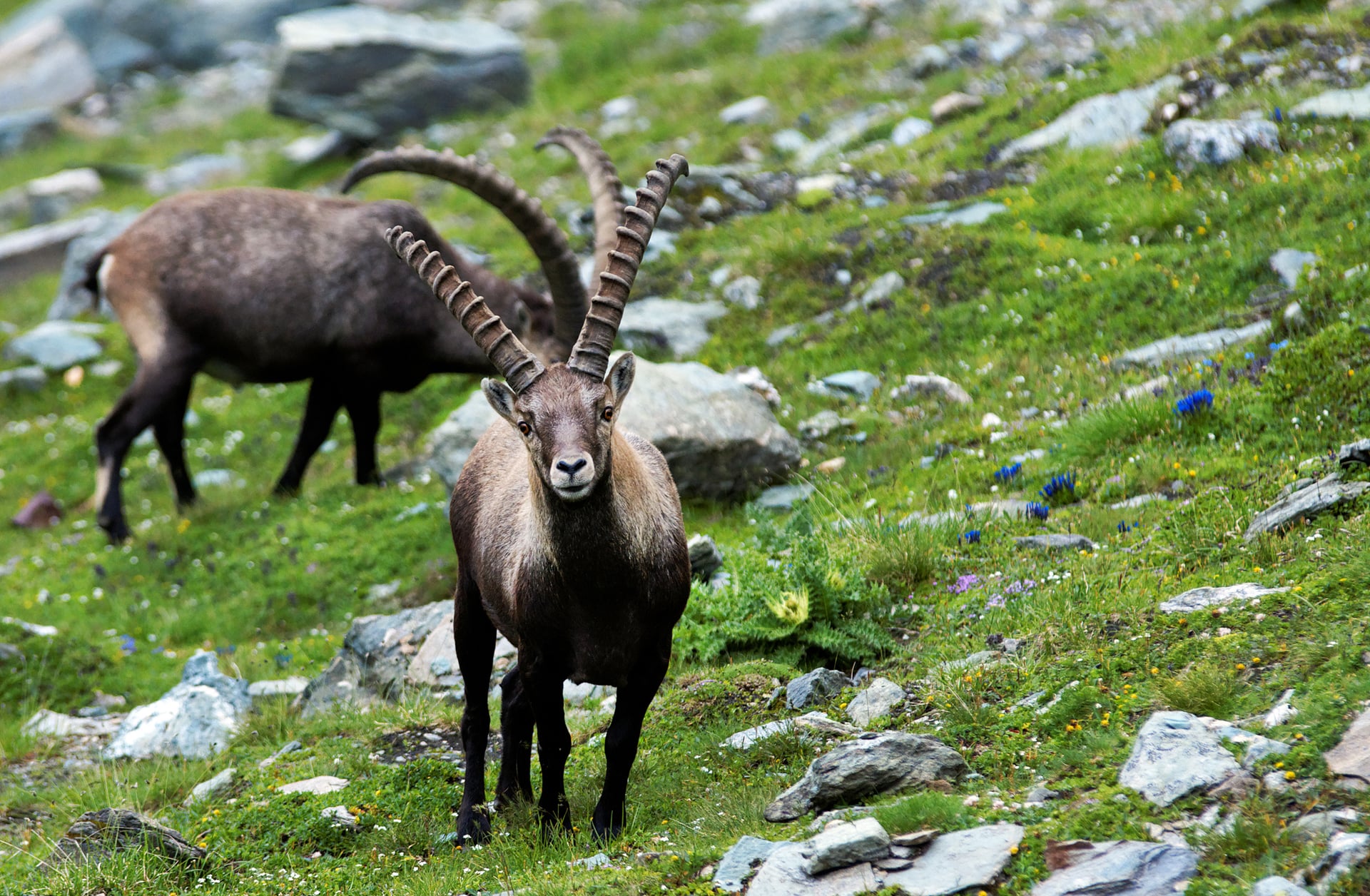
One important note: decide which route you're taking before you set off from Tré-le-Champ. The alternative trailhead is located at the Aiguilles Rouges National Park Information Centre at Col des Montets, just 10–15 minutes further up Route des Montets road from Tré-le-Champ.
If you only decide at the base of the first ladder that you'd rather not climb it, turning back means retracing your steps downhill and finding the alternative trailhead, adding unnecessary time and effort to your day.
How busy are the ladders?
In peak season (July and August), the ladders attract not just TMB hikers but also day-trippers heading to Lac Blanc, one of the most popular viewpoints in the Chamonix Valley. On busy days, queues of up to 45 minutes have been reported at the base of the tallest ladder. The simplest way to avoid this is to set off from Tré-le-Champ early (by 7am if possible) so you reach the ladders well before the day-tripper crowds arrive from Chamonix.
Pro tips for the TMB ladders
Stow your poles. Before you reach the first ladder, pack your trekking poles away. You need both hands free on the rungs, no exceptions.
Go at your own pace. Don't let the person behind you rush you. Climb steadily and confidently, one rung at a time.
Look up, not down. If exposure bothers you, focus on the rock in front of you rather than the valley below. You'll be at the top before you know it.
Wet = wait. If it rained overnight, give the metal an hour to dry before tackling the ladders, or take the alternative.
Enjoy it. The ladders are one of the things people remember most about the TMB. By the time you reach the Tête aux Vents cairn, with the Mont Blanc massif spread out behind you, you'll understand why.
Technically Challenging Stages on the TMB
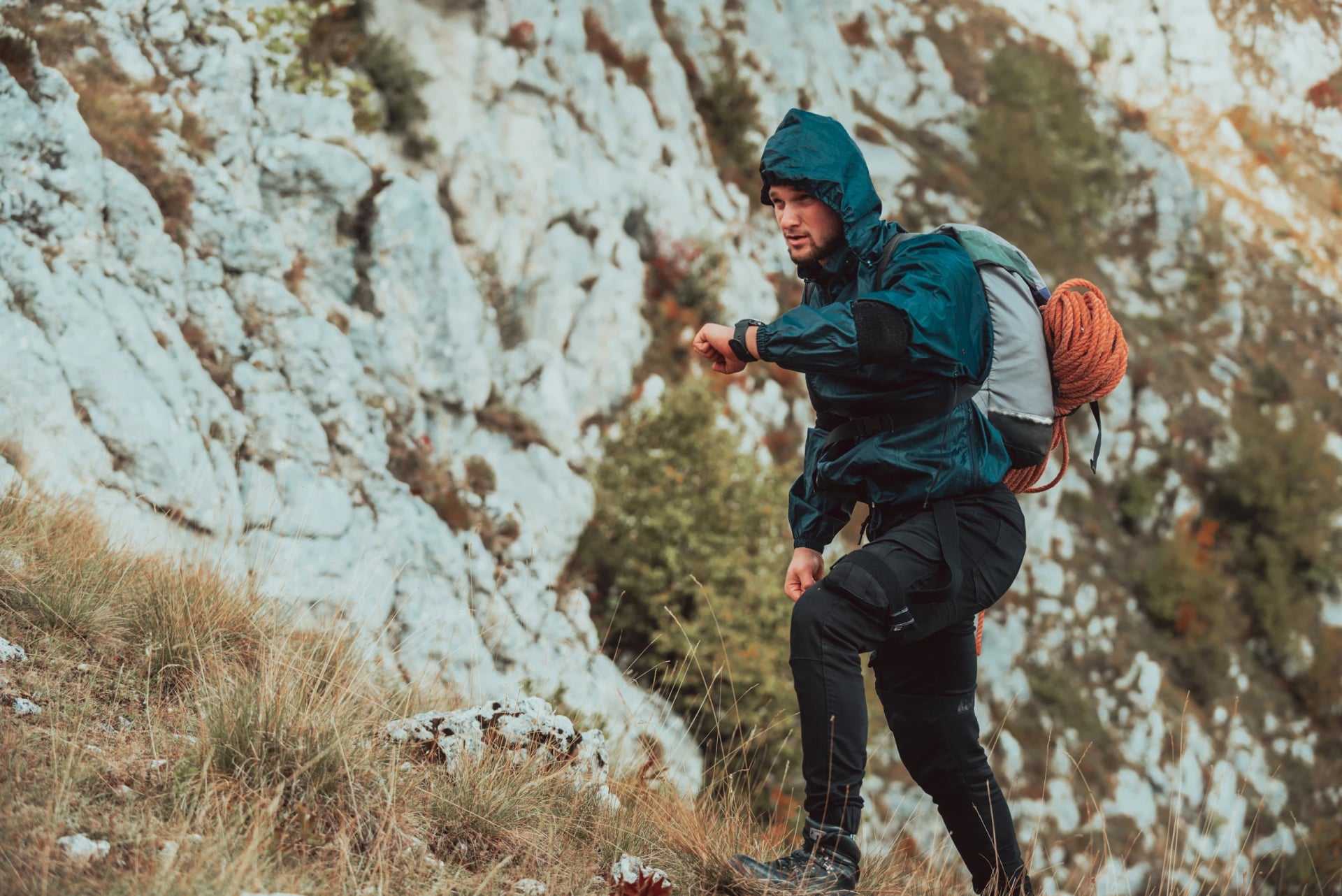
Overall stage difficulty varies depending on your itinerary. The stages below stand out for their technical nature, regardless of how you plan your route.
Fenêtre d'Arpette (variant)
The standout technical section on the entire TMB, and a variant rather than the classic route. The Fenêtre d'Arpette reaches 2,665 m via steep, loose, rocky terrain on both sides. The descent in particular requires good balance and sure-footedness on rough mountain terrain. Breathtakingly beautiful, but only tackle it in good weather with solid fitness.
Stage 10: The Ladder Section
Covered in full detail in the previous section. The ladder section above Tré-le-Champ is the only place on the classic route where fixed infrastructure is required to navigate the terrain, making it the most technically distinct section of the standard TMB.
Factors That Affect How Hard the TMB Feels
Duration: fewer days = harder
The shorter your itinerary, the harder each day becomes. A 7-day TMB means bigger daily distances and more elevation. An 11-day TMB lets you absorb each stage without pushing to exhaustion. First-timers are consistently advised to choose a 9 to 11 day itinerary.
Pack weight: every kilo matters
Hiking with a 12–15 kg backpack is completely different to hiking with a 5–7 kg daypack. Luggage transfer services move your main bag from refuge to refuge. This single decision can transform the difficulty of the trek. Use it if you can.
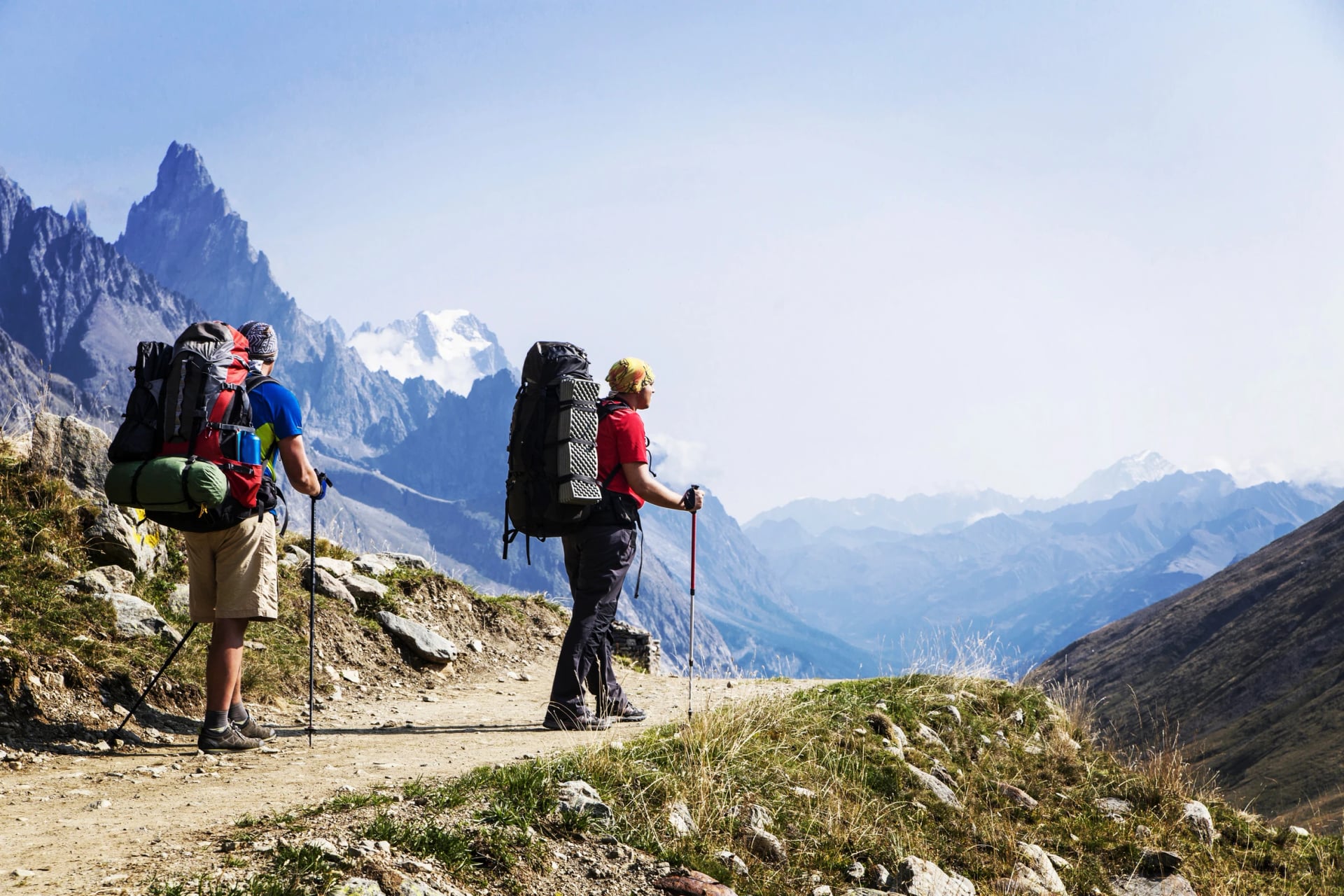
Weather: your biggest uncontrollable variable
A week of sunshine makes the TMB a joy. Days of cold rain, wind, and fog make it a survival exercise. Wet rock is slippery. Cold increases energy expenditure. Low visibility is demoralising. You cannot control the weather, but you can pack properly for all conditions, and you should.
Time of year
June: Snow is still possible on higher passes. Trails can be slippery. Crowds are minimal.
July–August: Peak season. Trails busy, refuges packed, but reliably clear.
September: Quieter, cooler, excellent visibility. First snows possible by late September.
Timing your TMB well makes a real difference. Find out when is the best time to hike the Tour du Mont Blanc.
Your own fitness and experience level
Obvious, but worth stating: the Tour du Mont Blanc difficulty is relative to what you're used to. Whatever your current fitness level, the key is giving yourself enough time to prepare. Read our Tour du Mont Blanc training plan to know exactly where to start.
Who Can Do the Tour du Mont Blanc?
The TMB is accessible to:
Fit and active adults with no specific hiking experience, provided they train properly in advance
Older hikers with good fitness and prior hiking experience
Teenagers (many families complete the TMB with teenagers)
Beginners who commit to a serious 4–6 month training programme
Anyone comfortable with 5–8 hours of walking per day on hilly terrain
The TMB may not be right for you if:
You have significant knee problems. The descents are hard on damaged knees
You have a severe fear of heights and are unwilling to take the alternative ladder route
You have less than 2 months to prepare and are not already active
You're looking for a casual walking holiday. The TMB is an endurance challenge
Children on the TMB
Families with fit children (roughly 10 and older) do complete the TMB, often using the shorter 7–9 day highlights routes with cable car shortcuts. The ladders on Stage 10 are actually a highlight for most kids. Younger children (under 10) would find the daily distances very challenging.
Tips for Managing the Difficulty on the Trail
Leave the refuge or hotel by 7–8 am. The Alps heat up mid-morning, afternoon thunderstorms are common, and you'll avoid the crowds at popular viewpoints.
The TMB is not a race. Slower hikers who move consistently beat faster hikers who blow up on a climb and need to sit down for 20 minutes. Find a rhythm you can sustain.
Altitude blunts hunger and thirst signals. Eat a snack every 60–90 minutes on the trail. Carry at least 3 litres of water on longer stages, more in hot weather. Most refuges and mountain streams along the route allow you to refill.
There is no shame in taking a cable car to bypass a steep section when your body needs it. The TMB offers several such options. Using them strategically is intelligence, not weakness.
Address hot spots with blister plasters the moment you feel them. A blister that develops on day 2 will haunt you until day 11
Looking up at a pass from the valley and calculating how long it will take is demoralising. Put your head down, keep a steady pace, and take it 30 minutes at a time.
Most 10–11 day itineraries build in at least one short or optional rest day. Use it. Leaving Courmayeur with 48 hours of rest, great food, and proper sleep can turn a suffering hiker into a thriving one.
Frequently Asked Questions (FAQ)
What fitness level do you need for the Tour du Mont Blanc?
You don't need to be an athlete, but you should be comfortable hiking for 5–8 hours on consecutive days on hilly terrain. A good benchmark: if you can complete a 6-hour hike with 800–1,000 m of elevation gain and feel reasonably fresh the next day, you're on the right track.
How hard is the Tour du Mont Blanc compared to other long-distance hikes?
The TMB is harder than most European long-distance walks (like the Camino de Santiago) due to the daily elevation gain. It's comparable in difficulty to other classic Alpine treks like the Walker's Haute Route, though the Haute Route is generally considered a step harder. It is significantly easier than technical Himalayan treks.
Can a beginner do the Tour du Mont Blanc?
Yes — with the right preparation. A beginner who trains seriously for 4–6 months, chooses a comfortable 10–11 day itinerary, and uses luggage transfer has a realistic chance of completing and enjoying the TMB. A beginner who doesn't train is likely to struggle or not finish.
Do I need to be afraid of the TMB ladders?
Most hikers find the ladders exciting rather than scary. They are safe, sturdy, and well-maintained. Only those with a genuine fear of heights should consider the alternative route, and even then, the ladders are avoidable entirely.
Can you do the Tour du Mont Blanc with bad knees?
It depends on the severity. The descents on the TMB are long and relentless, and they place significant load on the knees. Many hikers with mild knee issues complete the trek successfully using trekking poles, knee supports, and anti-inflammatory medication. If your knees are a serious concern, speak to a physiotherapist before committing, and consider a shorter itinerary with cable car options built in.
Is altitude sickness a risk on the Tour du Mont Blanc?
The TMB stays well below the altitude threshold where serious altitude sickness typically occurs. The highest point on the standard route is around 2,665 m. That’s low enough that acute mountain sickness is uncommon. Some hikers experience mild symptoms like headaches or fatigue at higher passes, particularly early in the trek before acclimatisation. Staying well hydrated and not rushing the ascents is usually sufficient.
What is the hardest day on the Tour du Mont Blanc?
Most hikers point to Stage 4 (Les Contamines to Les Chapieux) or Stage 5 (Les Chapieux to Courmayeur) as the toughest. Both involve long days, significant elevation gain, and high mountain passes above 2,500 m. Stage 5 in particular crosses the Col de la Seigne into Italy and is often cold, windy, and exposed, but the views are among the best on the entire route.
Take the First Step
Still wondering if the Tour du Mont Blanc is the right challenge for you? We're happy to help you figure that out. Book a free consultation with our team — we'll talk through your fitness level, your timeline, and exactly what to expect on the trail.


Hassle-Free
We handle itineraries, accommodations, and anything else you prefer not to deal with, so you can enjoy a carefree hike.

Book with confidence
We are a financially protected company, fully bonded and insured, keeping your money safe and allowing you to travel with confidence.

Tried & Tested Adventures
Only the best adventures on the TMB, cherry-picked by our local team with an in-depth knowledge of the region.

Unbeatable support
Our 24/7 customer support is where we show our passion, bringing you a better experience by making your well-being our number one priority.