TMB Route Variations: Itineraries, Maps & Options
Everything you need to choose your Tour du Mont Blanc route: the classic 11-day circuit, key day-by-day variants, shorter TMB options, and essential maps.
Quick links
Most people know the Tour du Mont Blanc as an 11-day loop through France, Italy, and Switzerland. What fewer realise is how many ways there are to hike it.
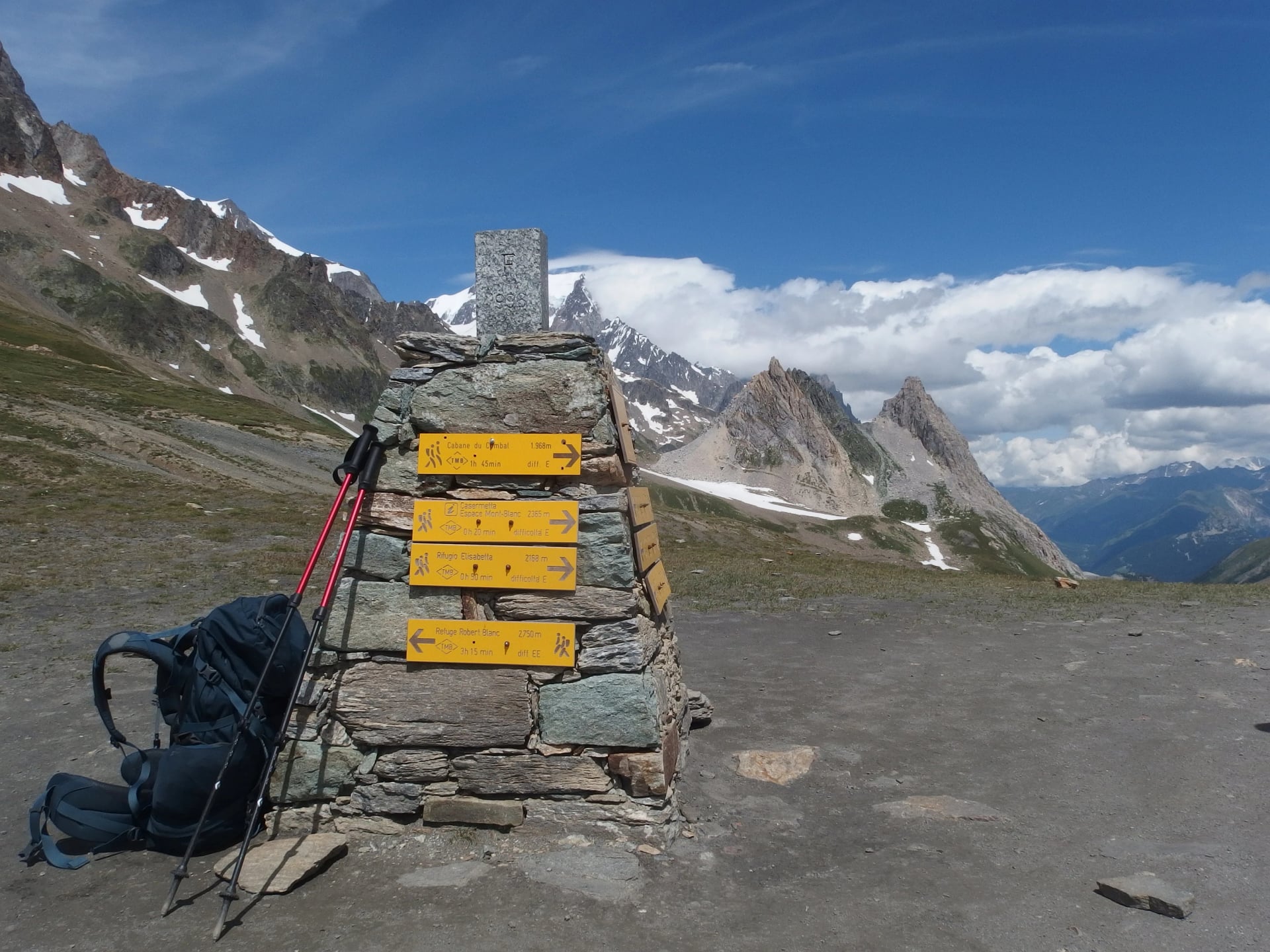
There's the classic full circuit, alongside some route variants that significantly change individual days, shorter versions, and a comfort option that covers the full loop without the refuge nights. This guide covers all of them, with maps, so you can figure out which version fits your schedule, fitness, and goals.
The TMB Classic Route at a Glance
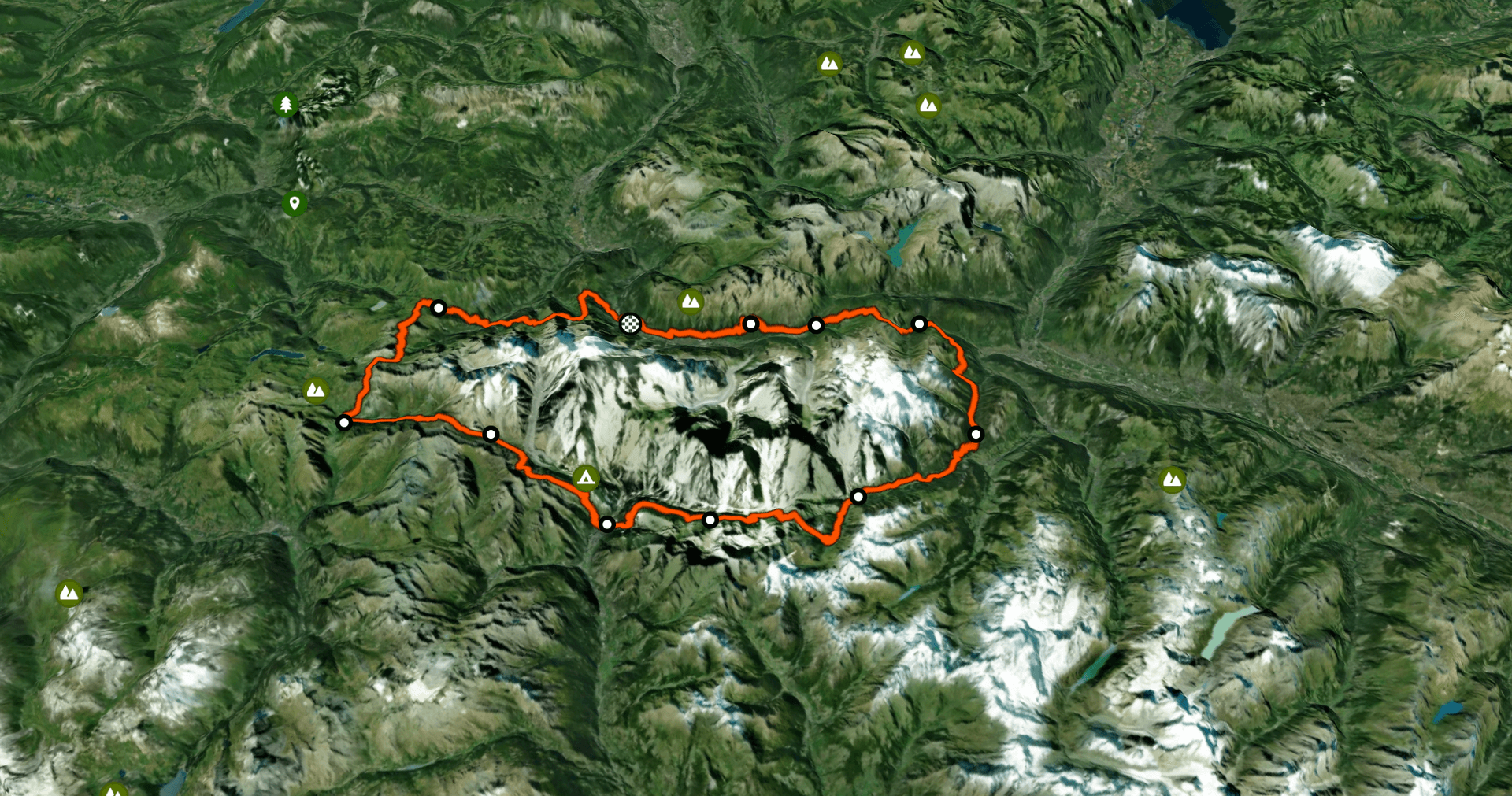
Total distance | ~170 km / 106 miles |
Total elevation gain | ~10,000 m / 32,800 ft |
Highest point | 2,537 m at Grand Col Ferret |
Classic duration | 11 stages |
Direction | Counter-clockwise (traditional) |
Countries | France → Italy → Switzerland → France |
Season | Early July to mid-September |
The TMB forms a rough oval around the Mont Blanc massif, crossing multiple mountain passes and three international borders. The three border crossings — Col de la Seigne (France→Italy), Grand Col Ferret (Italy→Switzerland), and Col de Balme (Switzerland→France) — are among the most memorable moments on the trail. The route never summits Mont Blanc. It circles it.
The Key Decisions Within the Classic Route
Clockwise or Counter-Clockwise?
The vast majority of hikers go counter-clockwise. It's the traditional direction, what most guidebooks describe, and what the majority of accommodation bookings are set up around. The scenic build also works better counter-clockwise: the French section eases you in before ramping up to the big passes, and the Switzerland–France section saves some of the most scenic trail.
Clockwise is a legitimate option for experienced hikers who want significantly fewer people on the trail. The trade-off is fewer cable car shortcuts and a steeper opening stage.
Route Variants Within the Classic TMB
Once you've decided on your itinerary length and direction, there are four key route decisions to make within the classic circuit. The five main passes on the classic route range from 1,653 m (Col de Voza) to 2,537 m (Grand Col Ferret), with the two main variant passes, Fenêtre d'Arpette and Col des Fours, both pushing up to 2,665 m.
Each choice below is a genuine decision with real trade-offs, not just a harder version of the same thing. None of them change the overall circuit, you still complete the full loop.
Day 1: Bionnassay Valley or Col du Tricot?
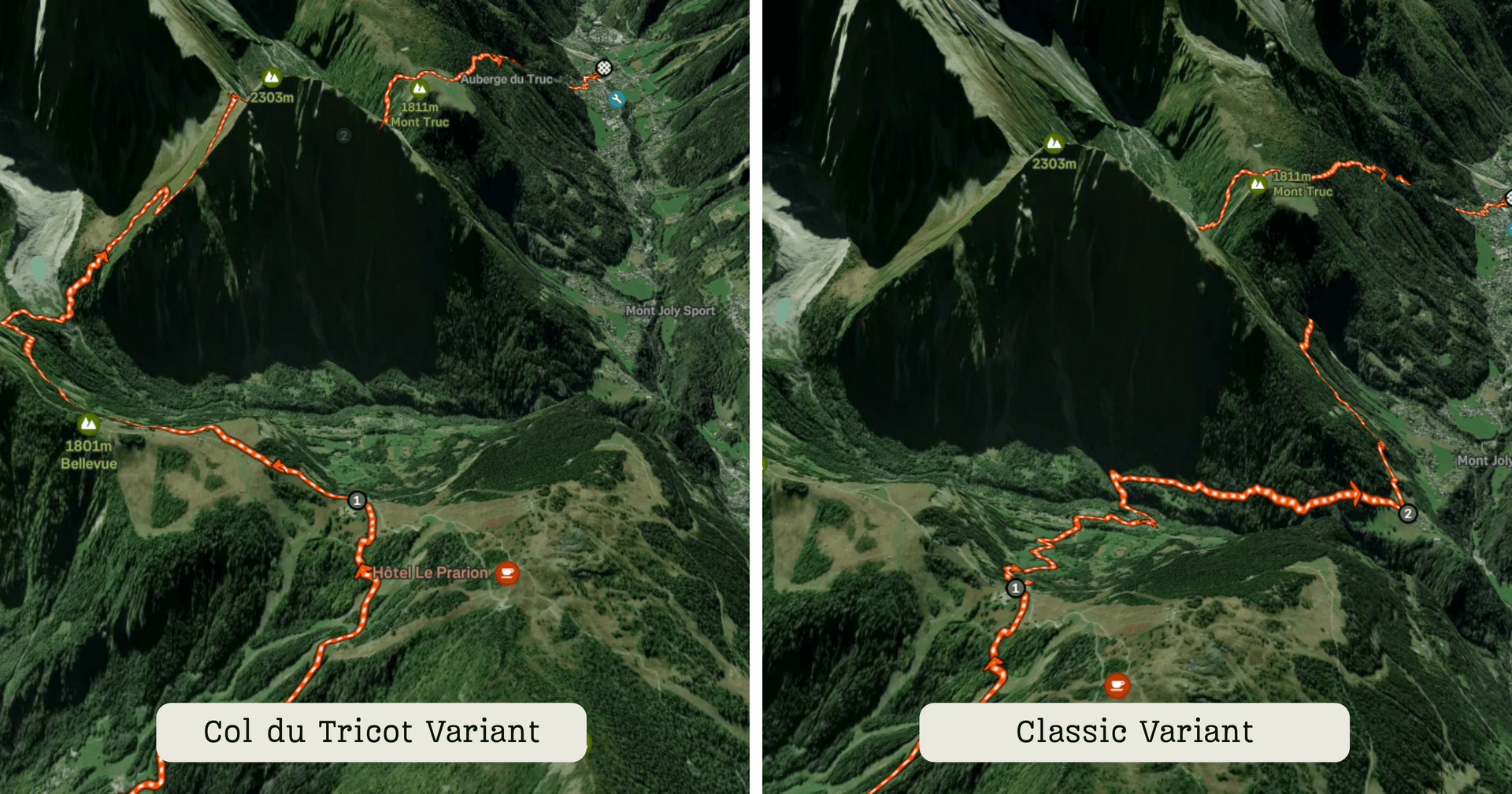
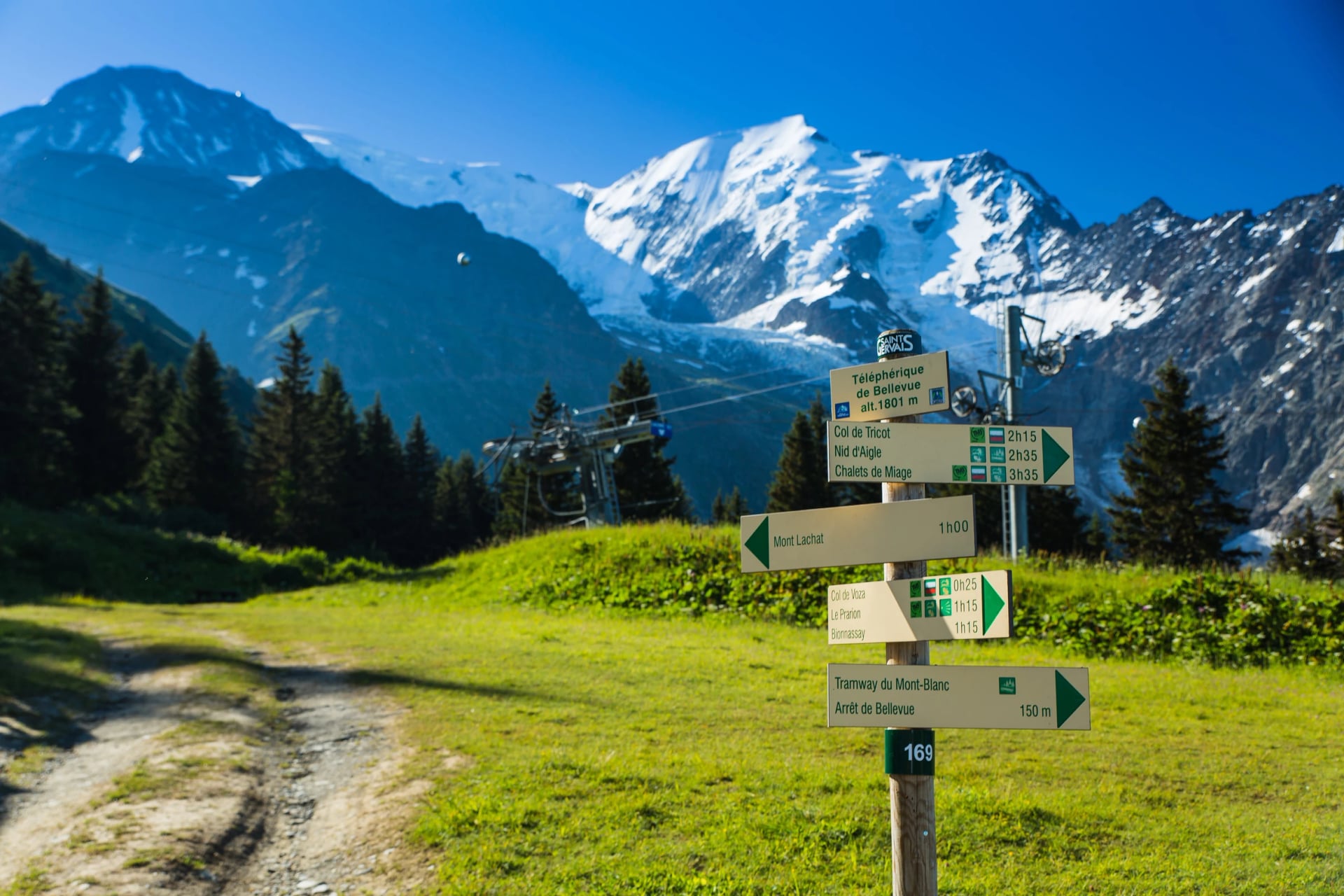
Some hikers take the Bellevue cable car from Les Houches up to the Bellevue Plateau (1,800 m), cutting out around 2 hours of hiking. From there, the path traverses alpine meadows to Col de Voza (1,653 m), where the route splits.
The classic route continues from Col de Voza down through the Bionnassay valley. A well-graded, manageable first day with views of the Bionnassay glacier. The right choice if you're easing into the trek or travelling with mixed fitness levels.
Col du Tricot (2,120 m) branches off at Col de Voza and climbs higher. It crosses a Himalayan-style suspension bridge over the Bionnassay torrent and delivers wilder, more dramatic scenery right from day one. This is the route included in our self-guided itinerary, and the one most experienced guides recommend when the weather is clear.
Choose the valley route if you want a manageable opener, you're travelling with mixed fitness levels, or you're doing the TMB in 7–8 days and want to conserve energy early.
Choose Col du Tricot if you want the most dramatic possible start, you're fit, and the weather is clear. It sets the right tone for the days ahead.
Day 5: Valley Path or Mont de la Saxe Ridge?
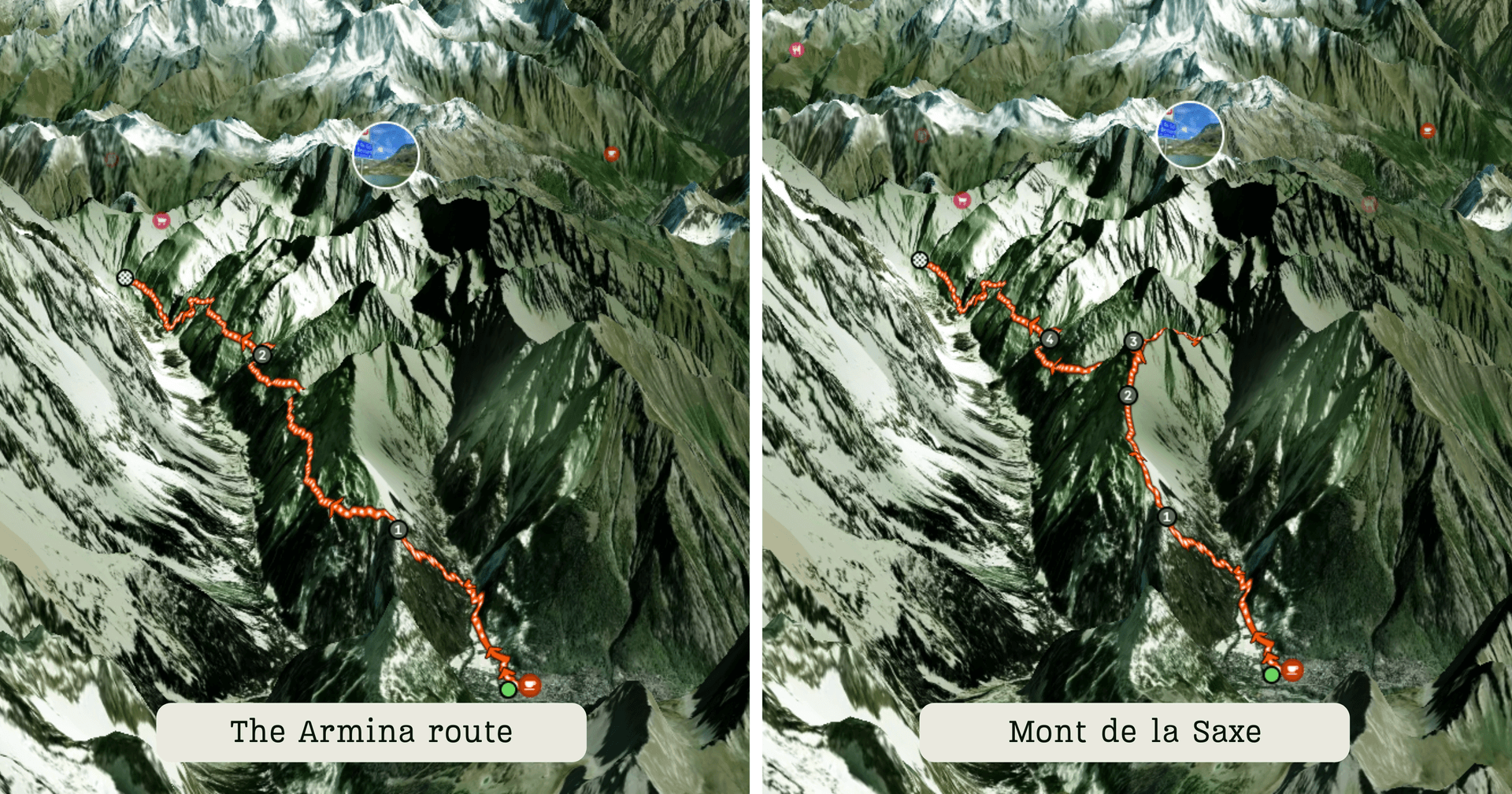
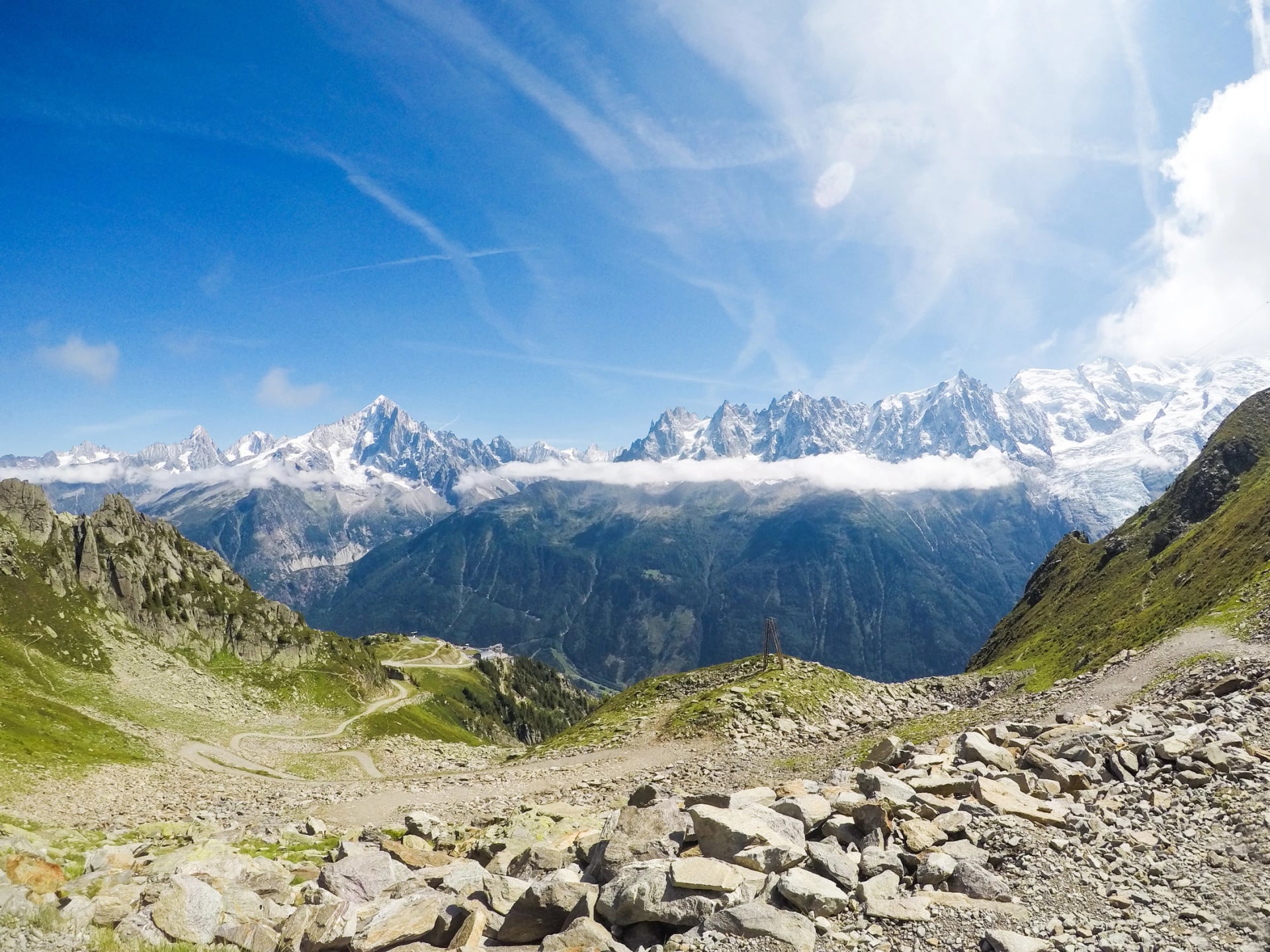
Leaving Courmayeur, the trail splits into two options, both passing through Rifugio Bertone and converging at Rifugio Bonatti further along the Italian Val Ferret.
The lower path (the Armina route) contours along the flank of the mountains after Rifugio Bertone, an easier, mostly level traverse through forest and high pasture. A good call if your legs need recovery after the long descent into Courmayeur the day before. It's pleasant walking, not a compromise.
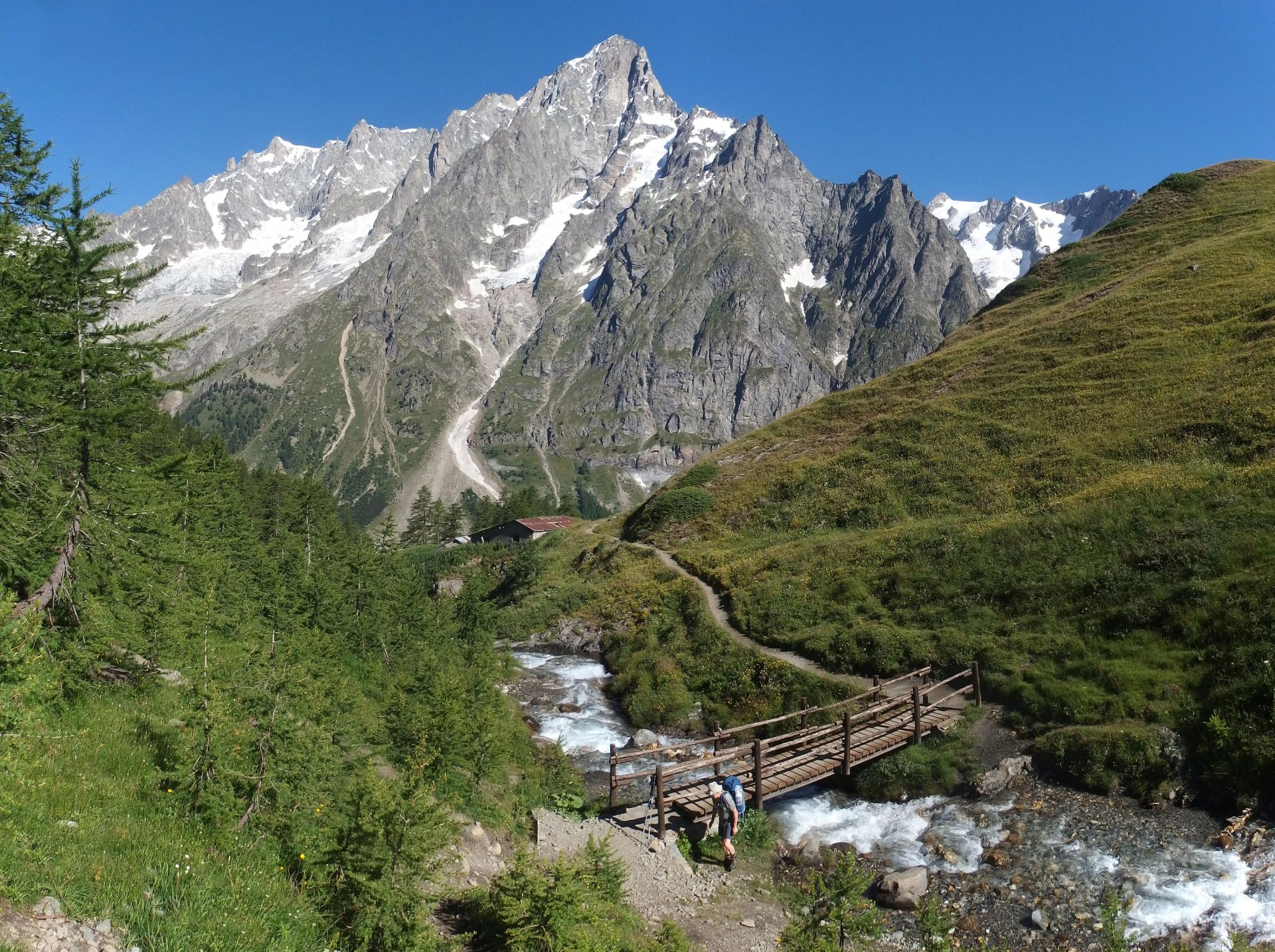
The Mont de la Saxe ridge route climbs higher and demands more, following the crest with sweeping, uninterrupted views of the south face of the Mont Blanc massif and the Grandes Jorasses. Both routes converge at Rifugio Bonatti, one of the most celebrated refuges on the entire circuit, from where the day continues down to Chalet Val Ferret in the valley, or ends at Bonatti itself depending on your itinerary.
Choose the lower path if you're tired after Courmayeur, you're on a shorter itinerary, or the forecast shows any chance of rain or storms, stay off the the Mont de la Saxe ridge.
Choose Mont de la Saxe if you're fit, the weather is clear, and you want the best views of the day. It's widely considered one of the highlights of the entire TMB.
Day 8: Alp Bovine or Fenêtre d'Arpette?
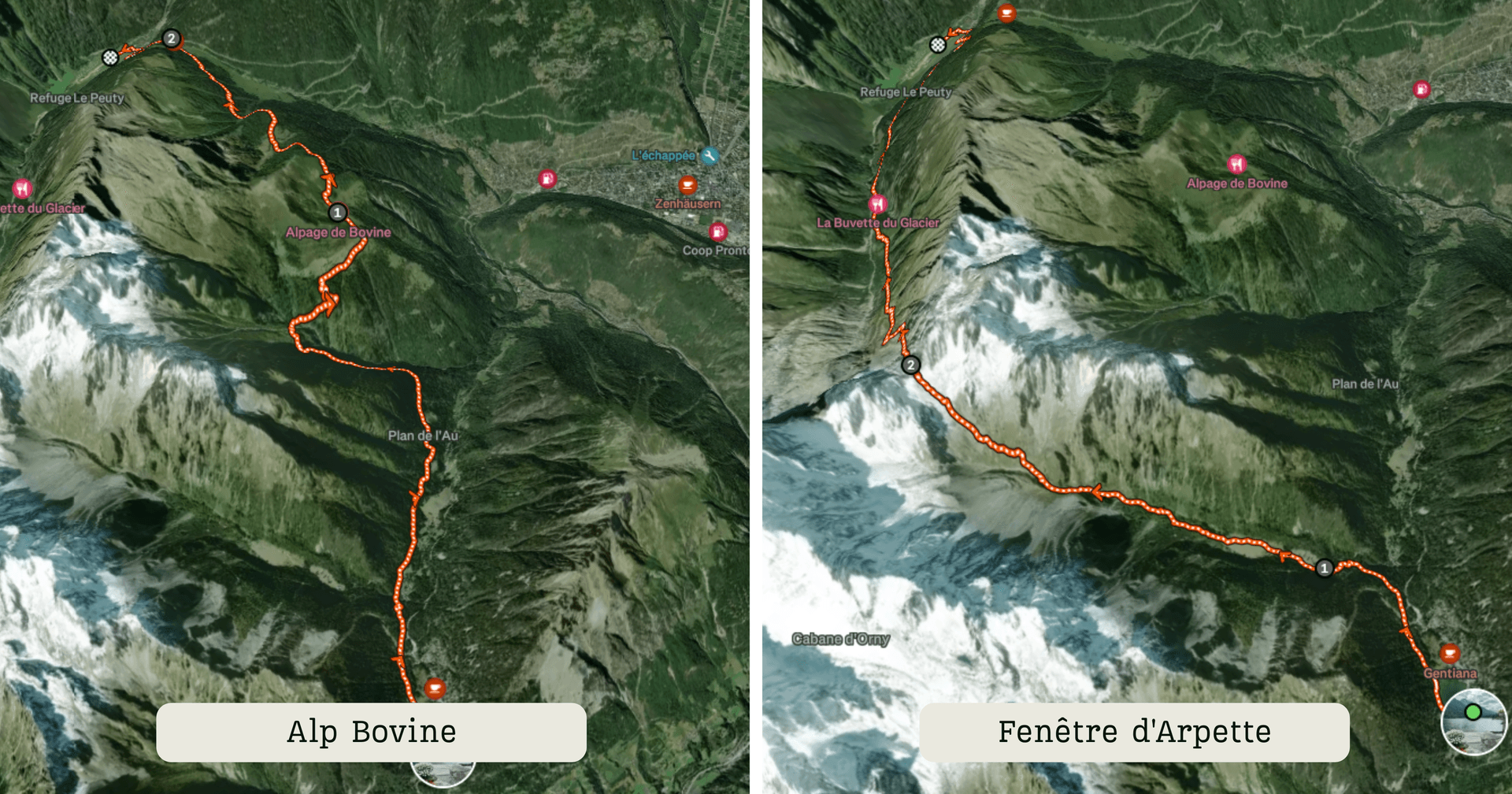
This is the decision most hikers deliberate longest over, and for good reason. The two routes couldn't be more different.
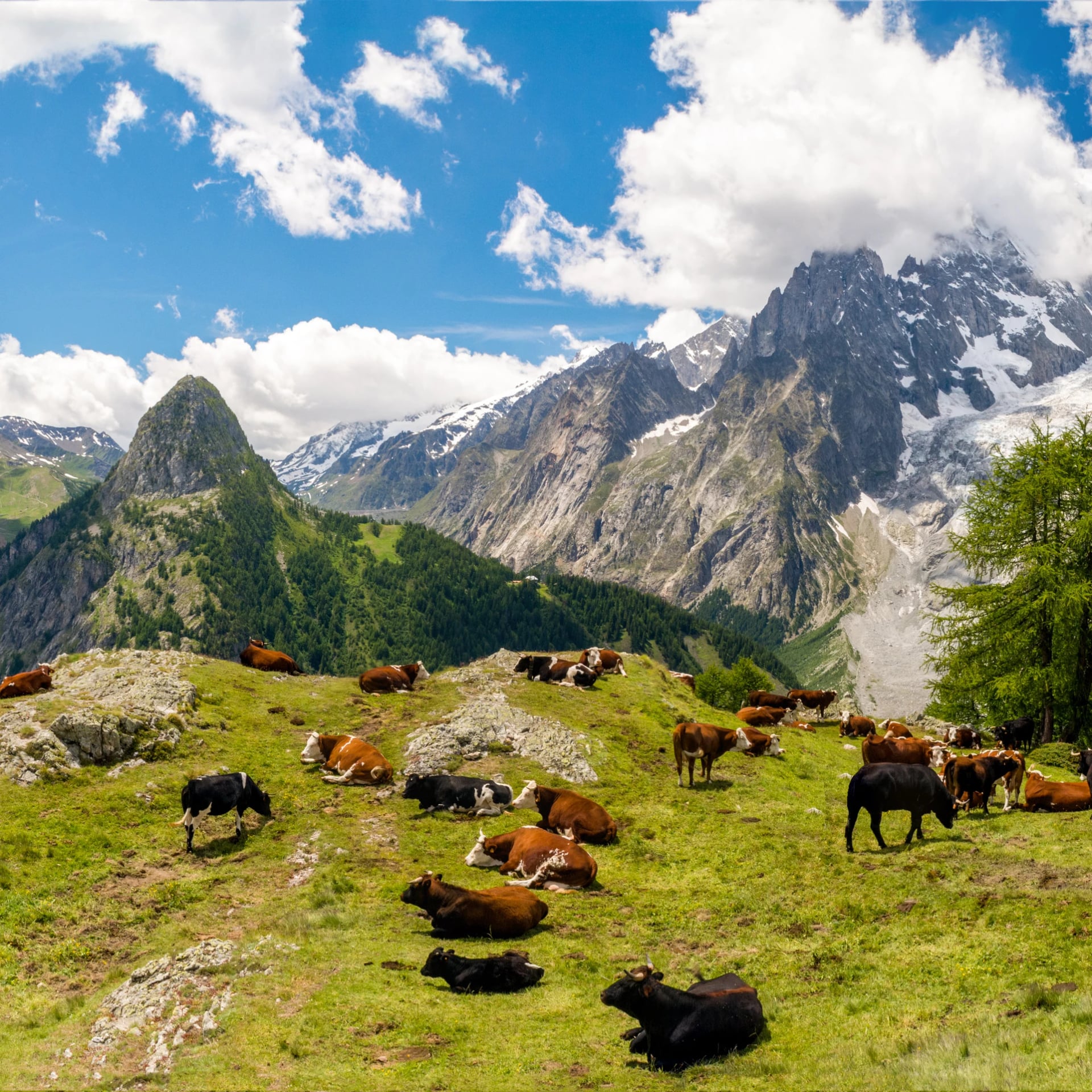
The Alp Bovine route follows a classic TMB path through forest and high pasture, with wide views opening over the Rhône valley and Martigny far below. It's moderately demanding and genuinely beautiful. The famous L'Alpage du Bovine is one of the most authentic stops on the entire trail.
The Fenêtre d'Arpette is something else entirely. The trail climbs through the narrow Val d'Arpette, the terrain turning increasingly rocky and raw, until you reach a thin notch in the ridge at 2,665 m, the joint highest point on the whole route. On the other side, the Trient Glacier fills the valley below you. It's one of the most striking moments on the entire TMB. In poor visibility or with snow on the pass, it should be avoided.
Choose Alp Bovine if there's any doubt about the weather, you want a more relaxed day, or you don't want to miss the Bovine buvette experience.
Choose Fenêtre d'Arpette if the sky is clear, your legs are strong, and you want the most dramatic single day on the route. Check the forecast the day before. If afternoon thunderstorms are possible, start early and be over the pass by midday. If storms are expected in the morning, choose Alp Bovine.
This stage falls within both our full-circuit and northeast highlights itineraries. On all of them, the choice between Bovine and Fenêtre d'Arpette is yours to make on the day based on conditions.
Day 10: Grand Balcon Sud or Lac Blanc Detour?
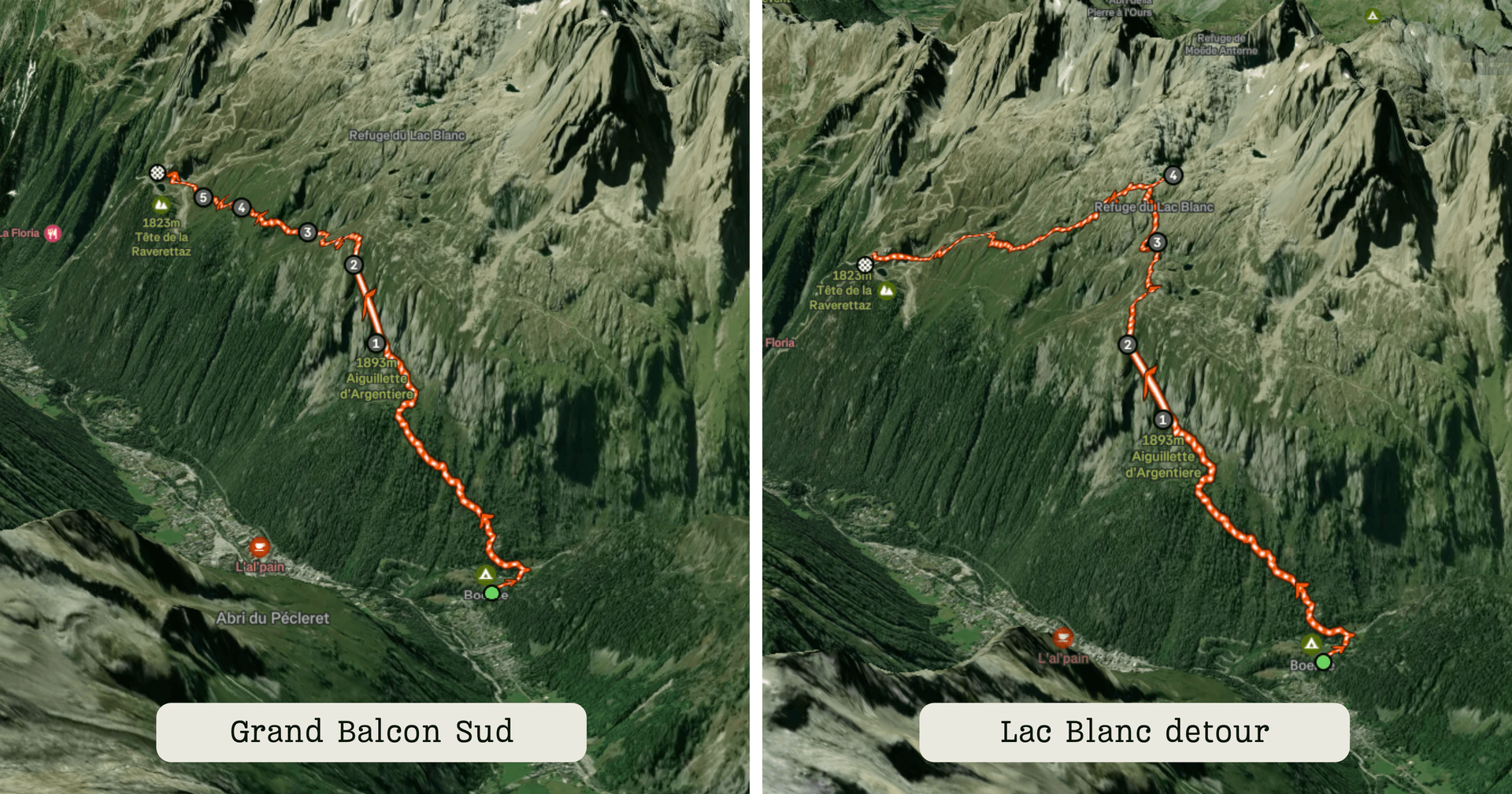
The standard route follows the Grand Balcon Sud, a high balcony trail with the Mont Blanc massif filling the view ahead as you make your way to Refuge la Flégère. It's one of the most consistently scenic stretches of the whole circuit, requires no extra effort, and still delivers some of the best views on the route.
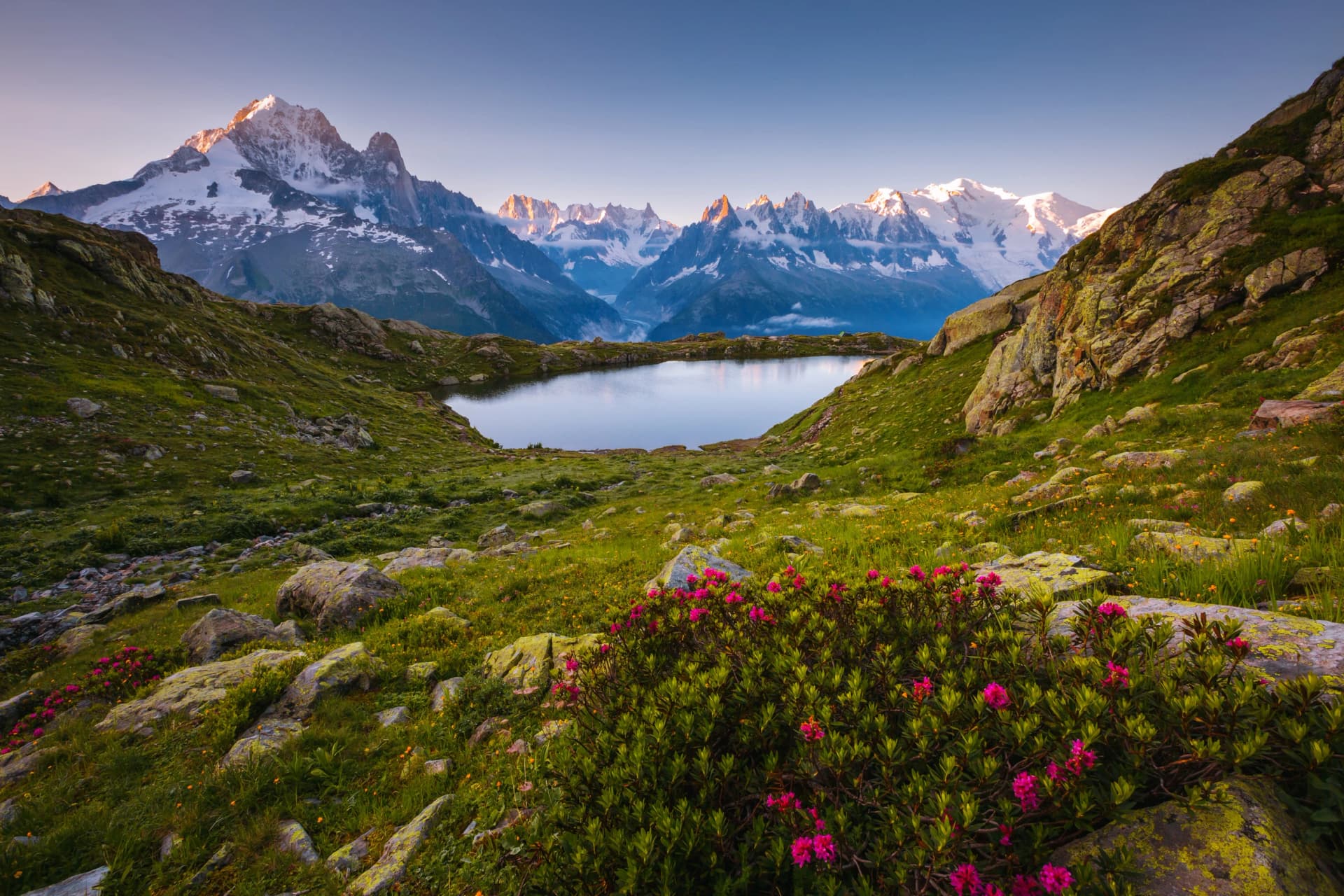
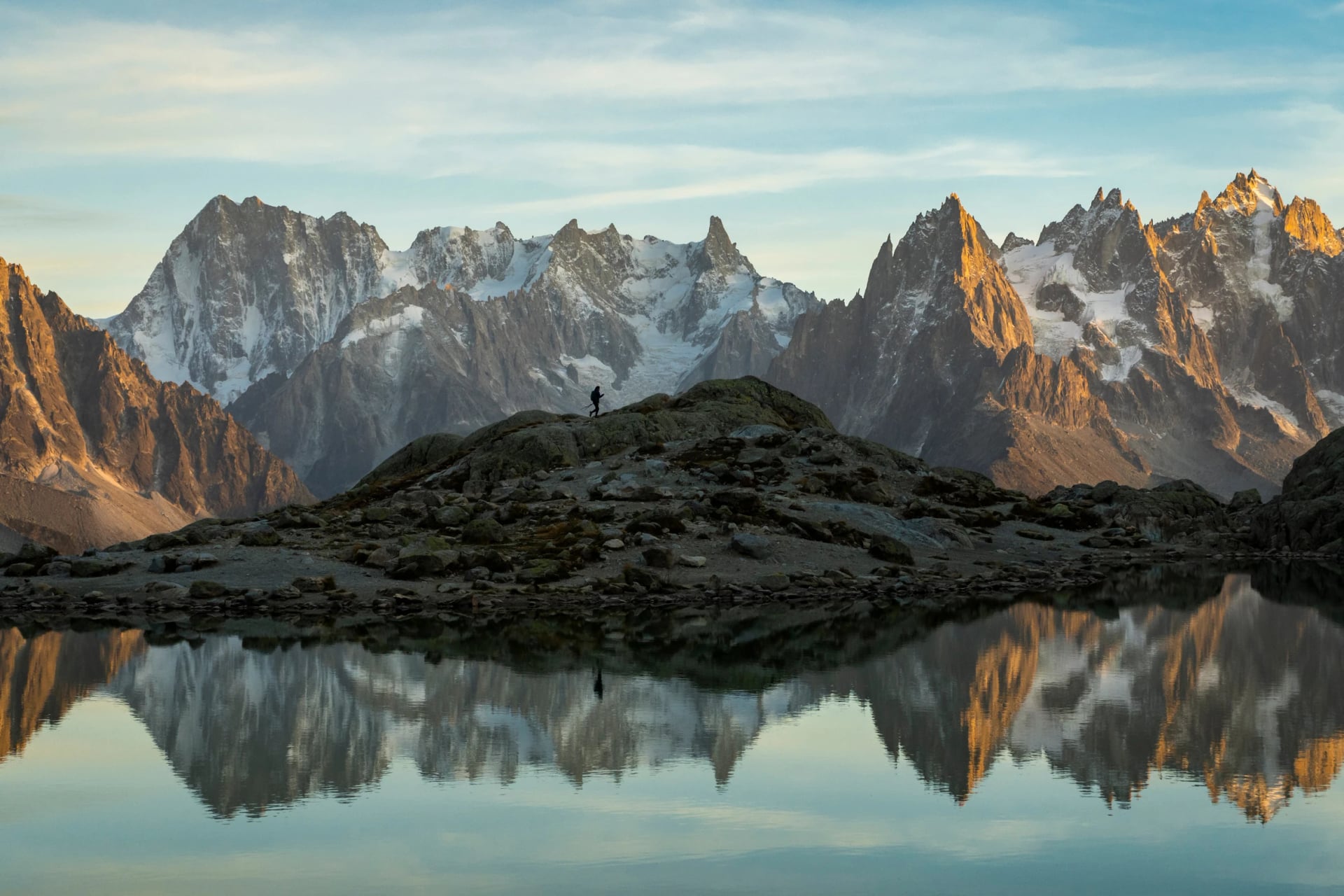
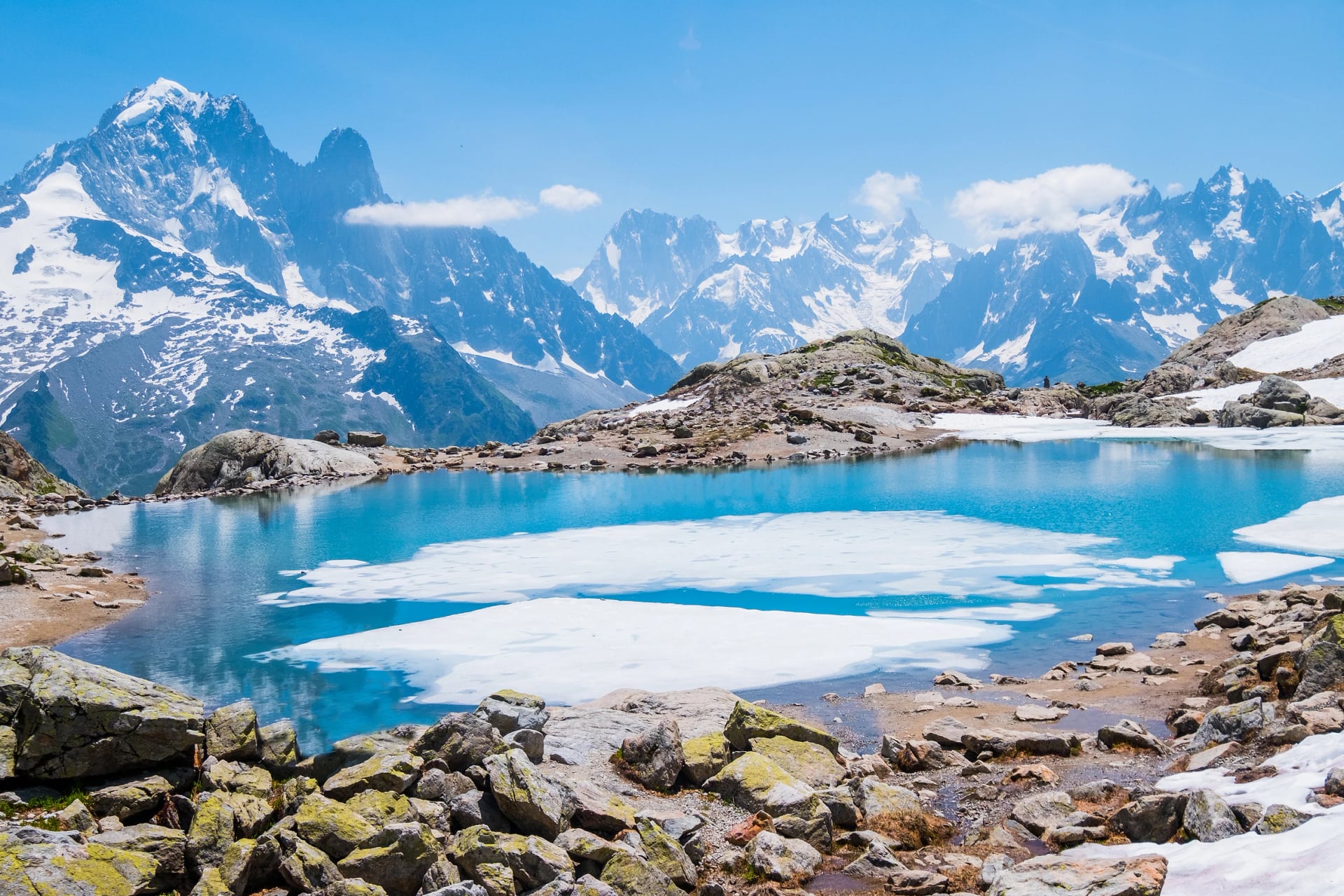
The Lac Blanc detour branches off and climbs around 475 m to a turquoise mountain lake at 2,352 m, where the peaks of the Mont Blanc massif are reflected in the water. It's one of the most photographed spots in the Alps, and involves some rocky terrain near the top but no technical difficulty beyond the standard route.
Choose Grand Balcon Sud if you're short on time or energy, or the weather is closing in. It's a spectacular day on its own terms.
Choose Lac Blanc if the weather is clear, you have time to spare, and you want the single most iconic viewpoint on the French section. On a good day, it's worth every extra step.
This stage is the highlight of our 5-day TMB Highlights Itinerary, and the day our hikers most often say was the best of the trip.
How Many Days Do You Need?
This is the first question to answer, and it shapes everything else.
Before looking at the numbers, a quick orientation: most hikers fall somewhere between 9 and 11 days, which is the range where daily distances are manageable, accommodation options are best, and you have enough time to actually enjoy the trail. The section below covers every realistic option from fast-packing to relaxed, with honest notes on what each actually involves.
Every itinerary in the section below covers the complete TMB circuit. All 170 km, all three countries, all the major passes. If you're looking for a shorter experience that covers only part of the route, skip ahead to the Highlights and Partial Routes section below.
4–5 Days: Fast-packers and very fit hikers
~33–40 km/day · ~2,000–2,500 m elevation/day
Requires a near-running pace for most of the day. Achievable for strong, experienced hikers but leaves almost no time to stop and take it in. Worth noting: elite trail runners complete the full TMB in under 24 hours as part of the UTMB race, this bracket is for fit hikers moving fast, not racing.
7 Days: Fit, experienced hikers
~23 km/day · ~1,400 m elevation/day
Demanding throughout. Most 7-day itineraries take transport on the La Fouly–Champex valley walk, the shortest, easiest, and least scenic stage on the whole route. Depending on the specific itinerary, one additional section may also use a bus. Works best for fit hikers who want to move fast, or those with a hard one-week constraint.
8 Days: Above-average hikers
~21 km/day · ~1,300 m elevation/day
A good fit for fit, experienced hikers who want to move at pace. One long day of 25–30 km is typical, usually the Grand Col Ferret crossing combined with the Swiss valley section. Most hikers take the bus on the La Fouly–Champex-Lac stretch to keep that day manageable. One stage ends with the climb to Col de Balme, a steep ascent at the end of a long day on already-tired legs.
9 Days: Solid hikers at a comfortable pace
~18 km/day · ~1,250 m elevation/day
Genuinely underrated and a favourite of many experienced guides. Allows overnight stops at less-visited refuges. The overnight stops shift away from the crowded standard 11-day refuges. Nights at places like Rifugio Bertone, Gîte de l'Alpage de la Peule, Relais d'Arpette, Refuge Col de Balme, and Refuge Lac Blanc. These are usually easier to book and see far fewer people than the standard 11-day stops. Good balance of effort and experience without the compressed pace of the shorter options.
10 Days Most hikers, moderate pace
~17 km/day · ~1,000 m elevation/day
Comfortable and well-paced. The pace offers moderate daily distances, time to linger at refuges, and no sense of racing the clock. It follows the full classic circuit, combining the La Fouly–Champex valley section with a bus transfer to keep that day light. A good option if you want the complete TMB experience without the pressure of the 7 or 8-day schedule, and without the extra days of the classic 11-day.
11 Days: Classic TMB
~15 km/day · ~900 m elevation/day
The classic for good reason. The 11 stages give well-balanced daily distances of around 5–7 hours of hiking, the widest accommodation selection at the standard overnight stops, and enough time to experience each section properly. It covers the full 170 km circuit, without shortcuts. Day 1 eases you in with the Col du Tricot variant via the Himalayan suspension bridge, and the route builds steadily from there. The standard against which every other itinerary is measured. If you're unsure which length to choose, start here.
12–14 Days Experienced hikers who want more time on trail
~12–14 km/day · ~700–850 m elevation/day
The same full 170 km circuit, but with extra days built in to split the harder early French stages, take proper rest days, most commonly in Courmayeur at the halfway point, and do the key variants without feeling rushed. It's not an easier version of the TMB, the terrain and elevation are identical, it's simply a less compressed one. A good fit for hikers who want to hike full days but arrive at the refuge with something left in the tank.
Highlights and Partial Routes
Not everyone has 10+ days, and the TMB's accessibility is one of its great strengths — you can join or leave the trail at multiple points, and the regional transport network makes partial routes entirely practical. The options below cover specific sections of the TMB rather than the full loop.
TMB Highlights: Northeast Half (5 days)
The section from Courmayeur through Switzerland and back into France via Chamonix is widely considered the most scenic half of the circuit. It covers the Grand Col Ferret (Italy–Switzerland border), the option to take the Fenêtre d'Arpette, Col de Balme (Switzerland–France border), and the Grand Balcon Sud with its direct views of the Mont Blanc massif. Getting to the start in Courmayeur from Chamonix takes around 45 minutes by bus through the Mont Blanc Tunnel.
Best for: Hikers with around 5 days who want the most dramatic scenery, the iconic Swiss section, and a route through three countries, without committing to the full circuit.
TMB West: The French Half (5–6 days)
The western half runs from Les Houches through the French Alps, over the Col du Bonhomme and Col de la Seigne, and into Italy at Courmayeur. This is the wilder, more remote section. Fewer villages, more mountain refuges. It ends in Courmayeur, from where you can take the bus back to Chamonix through the Mont Blanc Tunnel. Less popular as a standalone than the northeast half, but appeals to hikers who want the high-altitude French passes without the crowds of the Swiss section.
Best for: Experienced hikers who prefer remote, more challenging terrain and want the major French passes as the centrepiece of their trip.
Full Loop in Comfort: 5 Days
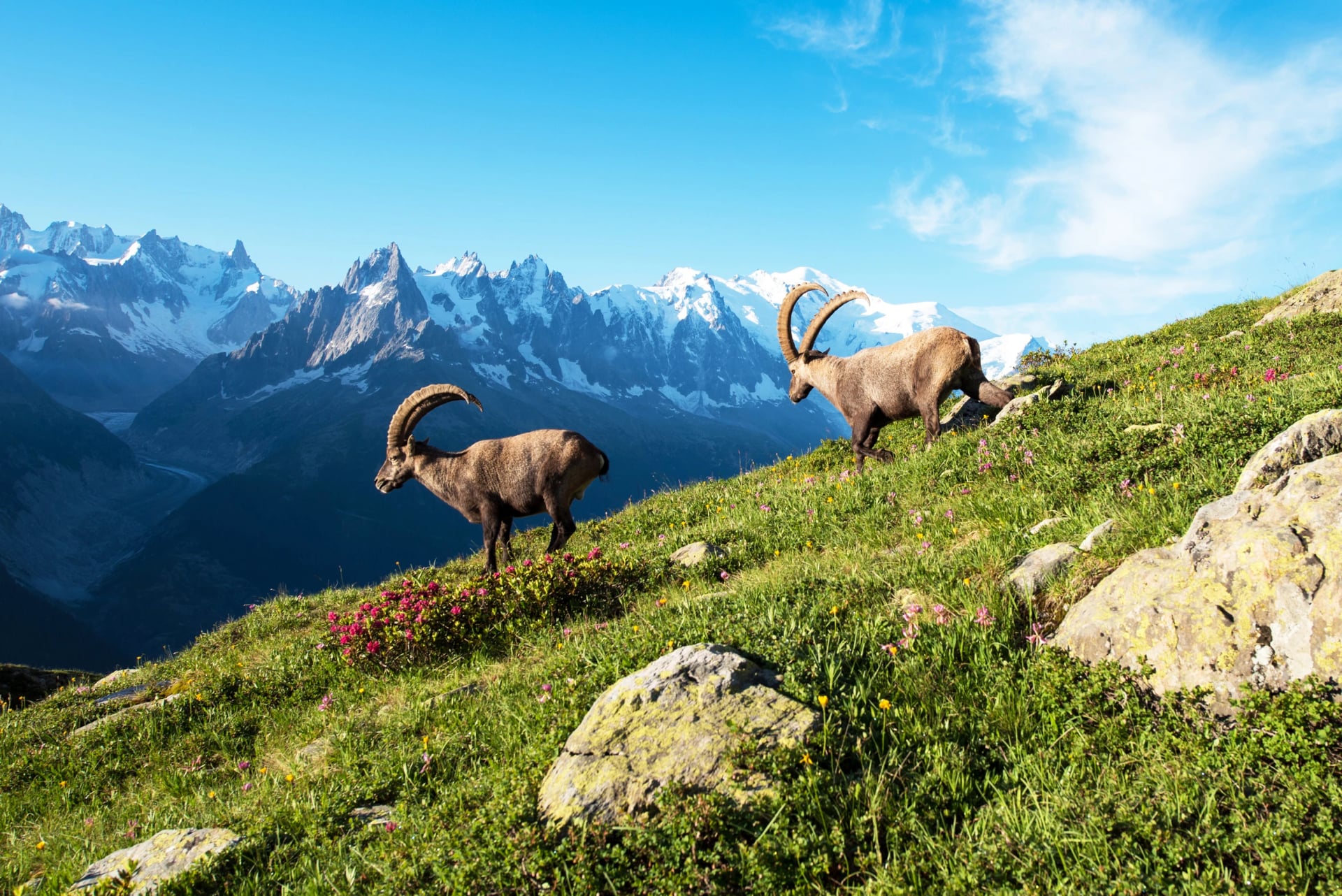
This version covers the full TMB loop. All three countries, key passes including Col du Bonhomme and Grand Col Ferret, and a night in Courmayeur, but uses the TMB's excellent regional transport network to connect the hiking sections, keeping daily distances manageable. Accommodation is in hotels rather than mountain refuges throughout, starting and finishing in Chamonix. It's a fundamentally different experience from the Highlights version: instead of choosing the best half and hiking it continuously, you cover the whole loop in fewer days by being strategic about transport.
Best for: Hikers who want the full three-country TMB experience, prefer hotel accommodation, and have around 5 days available.
Chamonix-Based Walking Holiday: 6 Days
Not ready to commit to a multi-day hut-to-hut circuit? This option uses Chamonix as a base for daily hikes into the surrounding area, returning to the same hotel each evening. A lower-intensity introduction to the Mont Blanc region that suits hikers who prefer not to carry their pack from refuge to refuge, or who want to combine hiking with time in Chamonix.
Best for: Hikers who want to explore the Mont Blanc area at a relaxed pace without the logistics of a multi-day circuit.
Ready to Plan Your TMB?
The right itinerary depends on how many days you have, which variants appeal to you, and how much of the route you want to cover. If you're still working through the fundamentals, difficulty, accommodation, gear, when to go, our Ultimate Guide has everything in one place.


Hassle-Free
We handle itineraries, accommodations, and anything else you prefer not to deal with, so you can enjoy a carefree hike.

Book with confidence
We are a financially protected company, fully bonded and insured, keeping your money safe and allowing you to travel with confidence.

Tried & Tested Adventures
Only the best adventures on the TMB, cherry-picked by our local team with an in-depth knowledge of the region.

Unbeatable support
Our 24/7 customer support is where we show our passion, bringing you a better experience by making your well-being our number one priority.