Tour du Mont Blanc Luggage Transfer: Good to Know
Your main bag travels by road while you hike the passes. Here's how TMB luggage transfer works, what it costs, and how to decide if it's right for you.

Suzana
Published May 14, 2026
Edited May 14, 2026
6 min read
Don't want to read all this?
We've planned 2,000+ hiking trips. Send your dates, fitness and group size — we'll map the route and book every night.



Luggage transfer on the TMB is simple in principle: your main bag travels by road while you travel over the passes. In reality, it's one of the most practical decisions you'll make before you set off — and there are a few things worth understanding before you book, particularly around cost, what it can't do, and how to pack for the nights it can't reach.
What Is TMB Luggage Transfer?
Every morning on the TMB, a quiet network of vans winds through the valley roads while hikers set off over the passes above them. By evening, bags that left one refuge at breakfast are waiting at the next. That's luggage transfer in a nutshell.
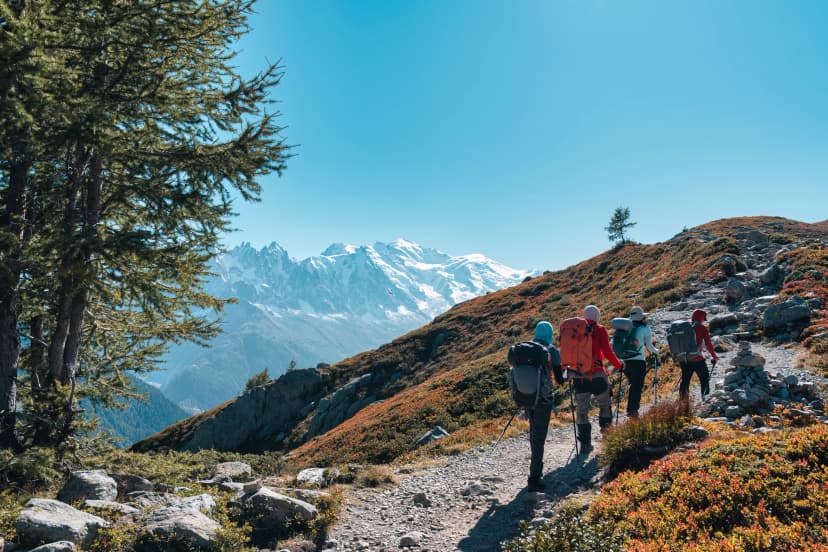
In practical terms, it means you hike with a daypack with water, snacks, a rain jacket, a warm layer, and all the essentials you need on the trail, while your main bag with everything else travels the long way round by road. You leave it at your accommodation in the morning and it's there when you arrive that evening.
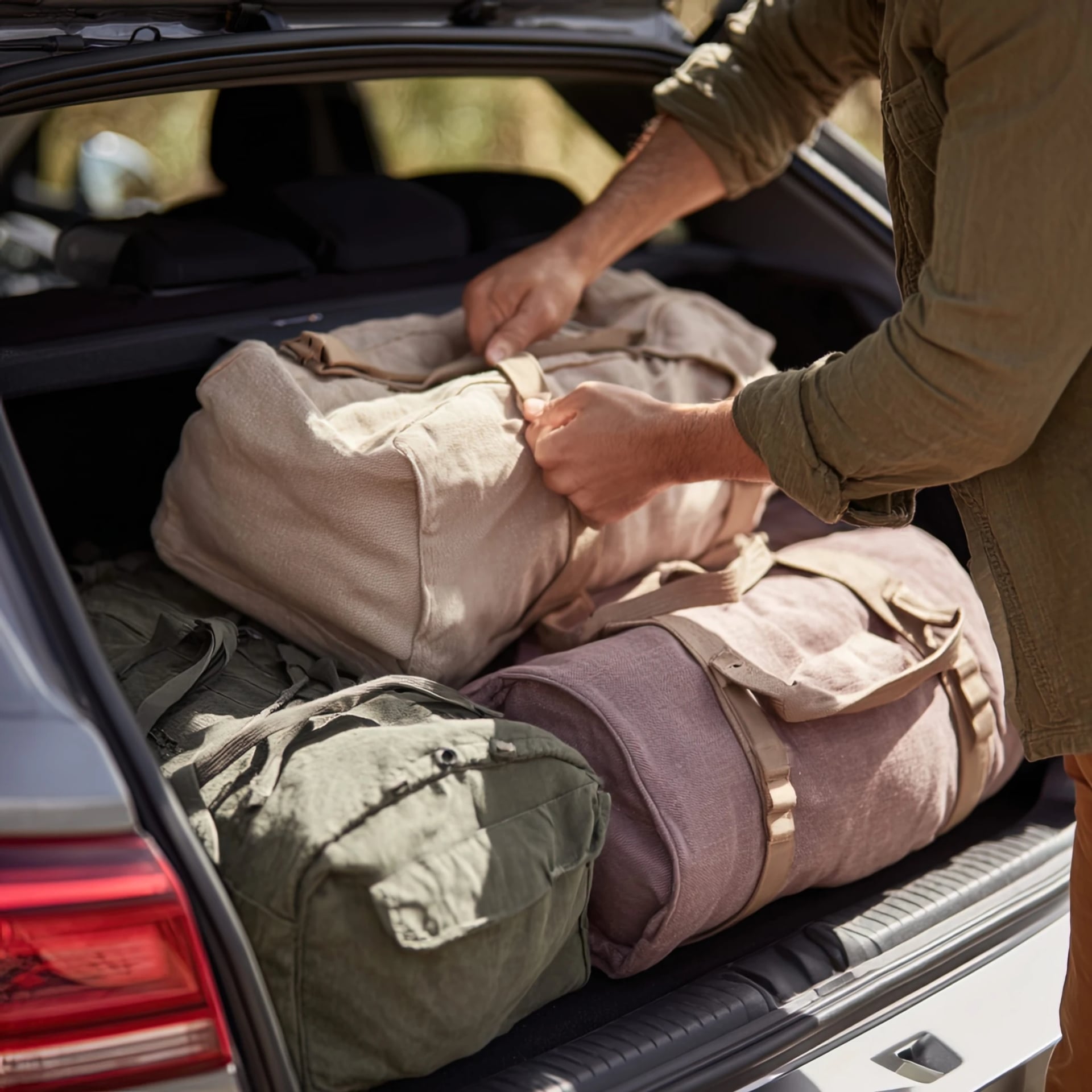
It's a well-established service on the TMB, run by several providers who know the route well. Bags must be soft duffel-style rather than hard-shell cases, and there's a 15 kg weight limit per bag. Beyond that, the logistics are handled for you.
How the Day-of Logistics Work
Knowing the practicalities in advance makes the whole thing run smoothly.
Pickup
Bags are typically collected between 7:30 and 8:00 am. You leave your bag at the front desk or the designated drop-off point your accommodation specifies. Make sure your bag is clearly labelled with your full name, phone number, and itinerary details before you set it down.
Delivery
Your bag will generally arrive at your next accommodation between 5:00 and 7:00 pm. It goes to reception or the designated drop-off point, not your room, so check in when you arrive. For some of the more remote stops, delivery can be slightly later, but your provider will flag this in advance.
Accommodation requirements
Transfer providers require a confirmed accommodation reservation in the same name as the booking. Bags will not be transferred without one. This also means private apartments and unstaffed accommodation cause complications. If your stay doesn't have a staffed reception, coordinate the pickup and drop-off logistics with your provider before you arrive.
If your plans change
If you need to adjust your itinerary mid-route, an extra rest day, a different refuge, contact your provider as early as possible. Most can accommodate changes with enough notice, but it's not guaranteed at short notice during peak season.
How Much Does TMB Luggage Transfer Cost?
Pricing varies by provider, number of bags, and number of stops. For independent hikers booking directly, costs typically run into the hundreds of euros for a full circuit, and increase the smaller your group. The more people sharing the service, the better the per-person value.
You also don't have to use transfers every day. Some hikers book it only for the longest or most demanding stages and carry their own bag on easier days. That brings the total cost down without giving up the benefit where it counts most.
One practical note: book early. Transfer services fill up in peak season just like refuges do. If you're hiking in July or August, sort your transfer at the same time you confirm your accommodation.
When you book through us, luggage transfer is available as an optional add-on, as something you can choose to include to your hike. Get in touch if you'd like a full picture of what's included for your specific trip.
Which Refuges Can't Be Reached?
This is the part that catches most people off guard, and it's genuinely worth knowing before you finalise your itinerary.
Luggage transfer vehicles travel by road. Which sounds obvious, until you remember that some of the best nights on the TMB are spent at high mountain refuges that have no road access at all. On those nights, your bag simply can't get there. It skips ahead to the next accessible stop and meets you the following evening.
For most hikers doing the classic 11-day counter-clockwise route, the refuges that transfer cannot reach are:
Refuge de la Croix du Bonhomme (Stage 2)
Rifugio Elisabetta (Stage 3)
Cabane du Combal (Stage 3/4)
Rifugio Bertone (Stage 4/5)
Rifugio Bonatti (Stage 5)
Alpage de la Peule (Stage 6)
Refuge du Lac Blanc (Stage 10)
Refuge de la Flégère (Stage 10/11)
Refuge de Bellachat (Stage 11)
Your bag will skip ahead to the next accessible stop.
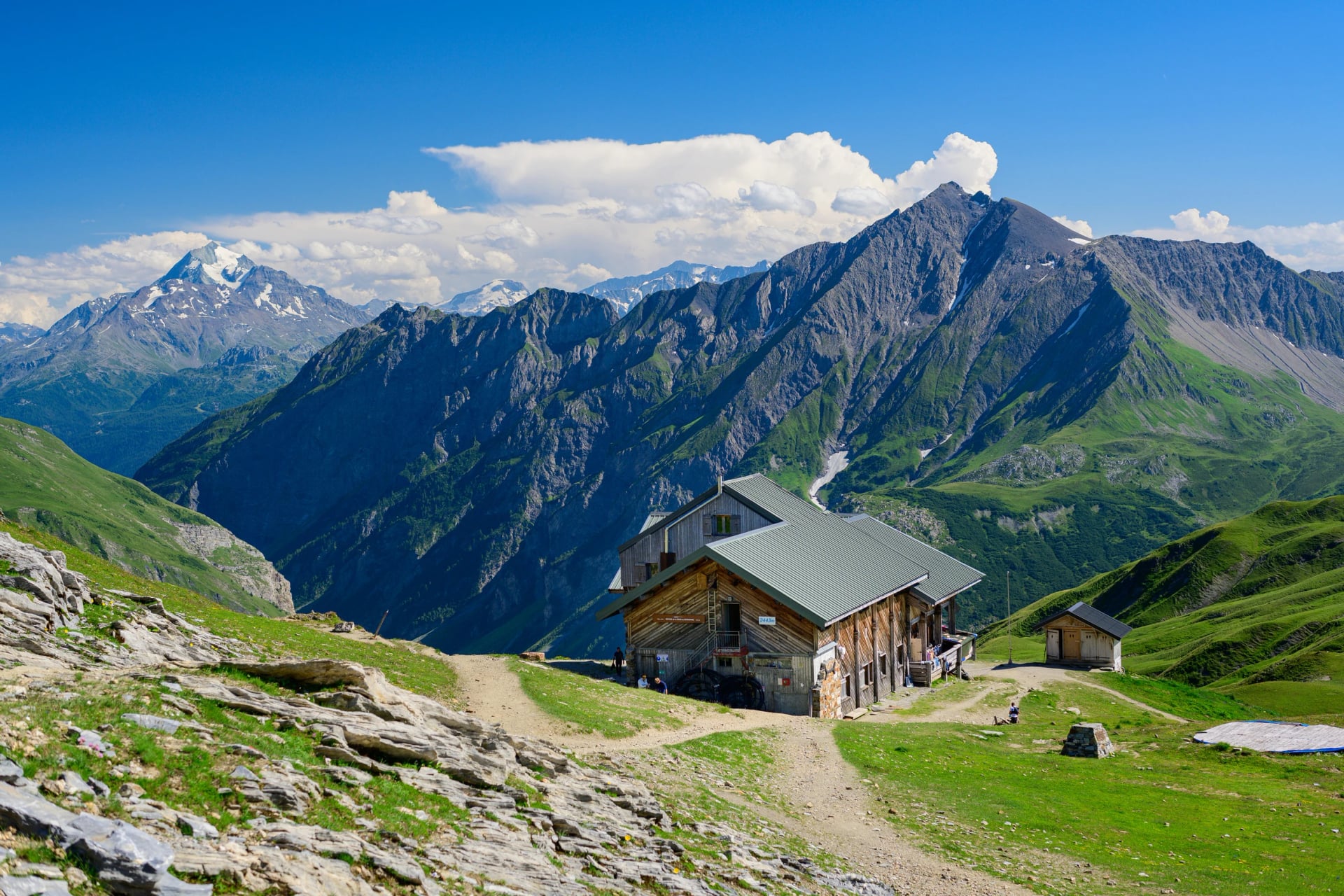
One additional note: Les Chapieux has road access but is excluded from the standard routes of some independent providers. If your itinerary includes a night there, confirm coverage before booking.
On the nights transfer can't reach, your daypack does double duty.
Do You Actually Need It?
The honest answer is that it depends on you. How light you actually pack, not how light you plan to pack, and how your body responds to back-to-back days on the trail.
Some people do the full TMB with everything on their back and wouldn't have it any other way. Others wish they'd sorted transfer before they left.
The difference usually comes down to three things: pack weight, fitness level, and honestly knowing which category you fall into.
If you're a disciplined packer, hike regularly, and your body holds up well over consecutive days on the trail, you probably don't need it. If you tend to bring more than you use, if long descents put pressure on your knees, or if this is your first time doing back-to-back mountain days, transfer is worth taking seriously. Not because the trail is beyond you, but because enjoying the last few stages matters just as much as completing them.
How We Handle It
Luggage transfer can be arranged as part of any tour booked through us, coordinated alongside your refuge bookings so there's nothing to manage separately on your end, and the peace of mind that everything is in place before you set off.
If you're not sure whether it's right for your trip, get in touch. It's one of the things we help clients think through most often, and the answer genuinely varies depending on how you hike.

About this author
Suzana is our travel advisor and a hiker who believes the best trails aren't just about the summits. She loves spotting alpine plants, watching wildlife, and the laughs, chats, and snack breaks that make every trail worth walking.