TMB Packing List: What to Bring on the Tour du Mont Blanc
What to bring on the Tour du Mont Blanc, how heavy your pack should be, and the one decision you need to make before pulling any gear out.
Don't want to read all this?
We've planned 2,000+ hiking trips. Send your dates, fitness and group size — we'll map the route and book every night.



Packing for the TMB isn't complicated, but it does reward some thought. The refuges handle more than people expect, the trail passes through towns where you can resupply, and the list of things you genuinely need is shorter than most people assume.
This guide is written for hikers doing the standard 11-day circuit, staying in refuges rather than camping. It covers everything you actually need, and how the decision about luggage transfer changes your packing entirely.
The Complete TMB Packing List
The Pack
Daypack 20–25L (if using luggage transfer) or main pack 35–45L (if carrying everything)
Soft duffel bag for luggage transfer (soft-sided only, max 15 kg)
Pack rain cover
Footwear
Waterproof hiking boots or hiking shoes — fully broken in before you arrive
Light shoes for time in the refuges or hotels
Hiking socks (merino wool or wool-blend)
Clothing
Moisture-wicking hiking tops (merino wool recommended)
Hiking trousers or shorts (at least one warm pair)
Fleece or light packable down jacket
Waterproof and windproof hardshell jacket
Waterproof trousers
Thermal base layer bottoms
Underwear
Warm hat and lightweight gloves
Sun hat with brim
Casual tops and comfortable trousers for evenings
Sleeping
Sleeping bag liner (refuges provide blankets)
Microfibre travel towel
On-Trail Essentials
Water bottles or hydration reservoir
Snacks
Hiking poles
UV sunglasses with side coverage
Headlamp
Portable phone charger
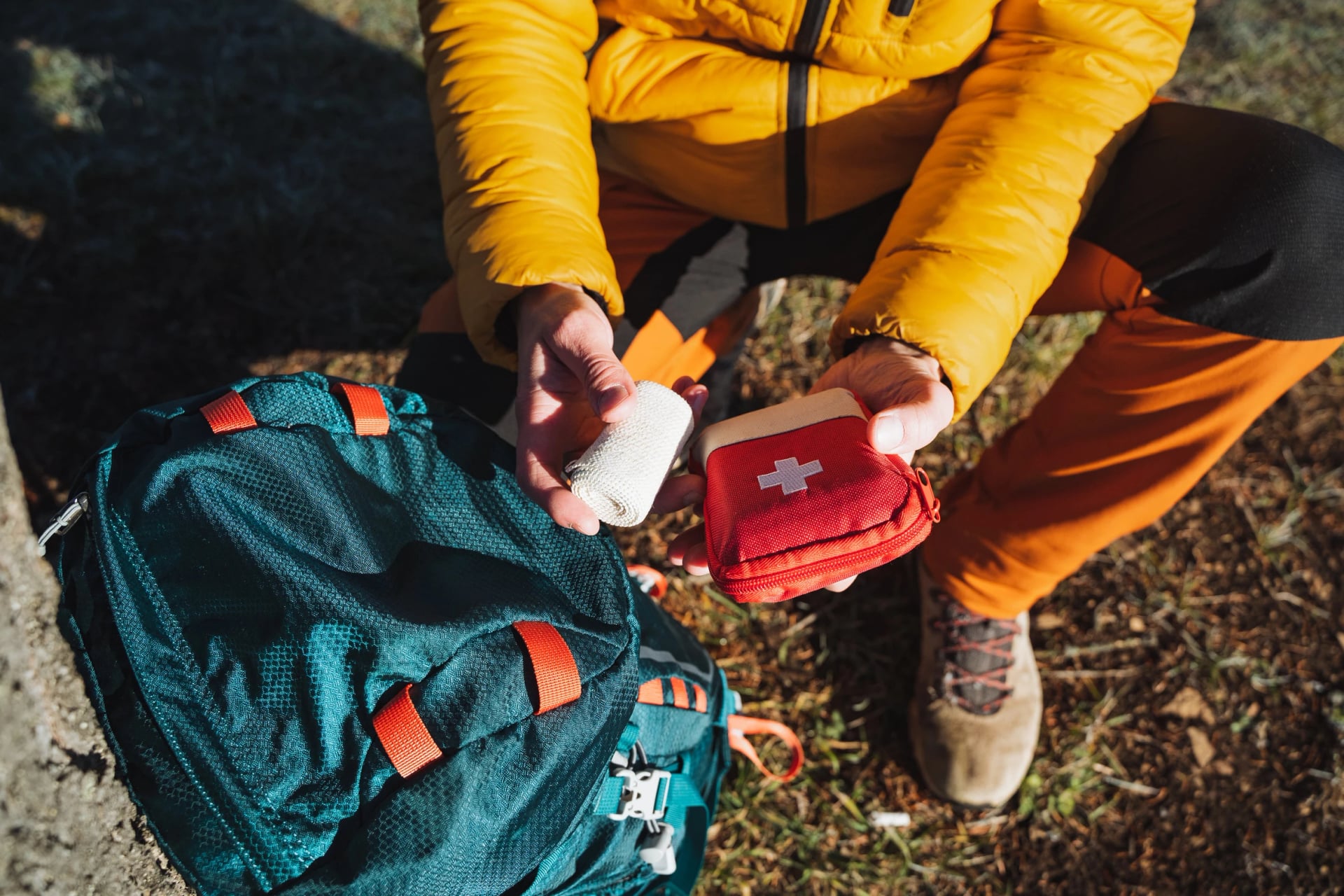
Small first aid kit
Insect repellent
Blister plasters
Cash in euros and Swiss francs
Passport (always in your daypack, never in the transfer bag if using luggage transfers)
Navigation
Phone with offline maps loaded
GPX track of the full route downloaded
Toiletries
Toothbrush and toothpaste
Travel-size soap or body wash and shampoo
Deodorant
Sunscreen (high-factor SPF)
Lip balm with SPF
Wet wipes
Toilet paper
The One Decision That Changes Everything
Before you pull any gear out, decide whether you're using luggage transfer.
If you're using transfer, you hike each day with a daypack only. 20–25 litres, carrying water, snacks, rain gear, and your on-trail essentials. Your main bag travels by road between stops. That changes how strict you need to be about weight and gives you a little more room for comfort.
If you're carrying everything yourself, you're working towards 10 kg or less. That number is worth taking seriously. The TMB involves around 10,000 m of total elevation gain across approximately 170 km, with days that regularly include two major passes of 1,000 m+ each. A pack that feels manageable on day one will feel considerably heavier by day eight.
One important caveat for transfer users: several high-altitude refuges have no road access, so your bag can't reach them. On those nights, your daypack needs to carry everything you'll want for the evening and the following morning. A change of clothes, toiletries, sleeping liner, and anything personal.
For the full breakdown of how transfer works, what it costs, and which refuges it can't reach, read our TMB luggage transfer guide.
Getting the Weight Right
If you're carrying everything, target 7–9 kg base weight before water and food. Add roughly 2 kg for two litres of water and trail snacks and you're looking at 9–11 kg on the trail each morning. Most experienced TMB hikers land somewhere in that range; lighter is always better.
If you're using luggage transfer, your daypack should stay comfortably under 6 kg including water on most days. On nights the transfer can't reach, it needs to hold your overnight kit too. 6–7 kg is a realistic target for those days.
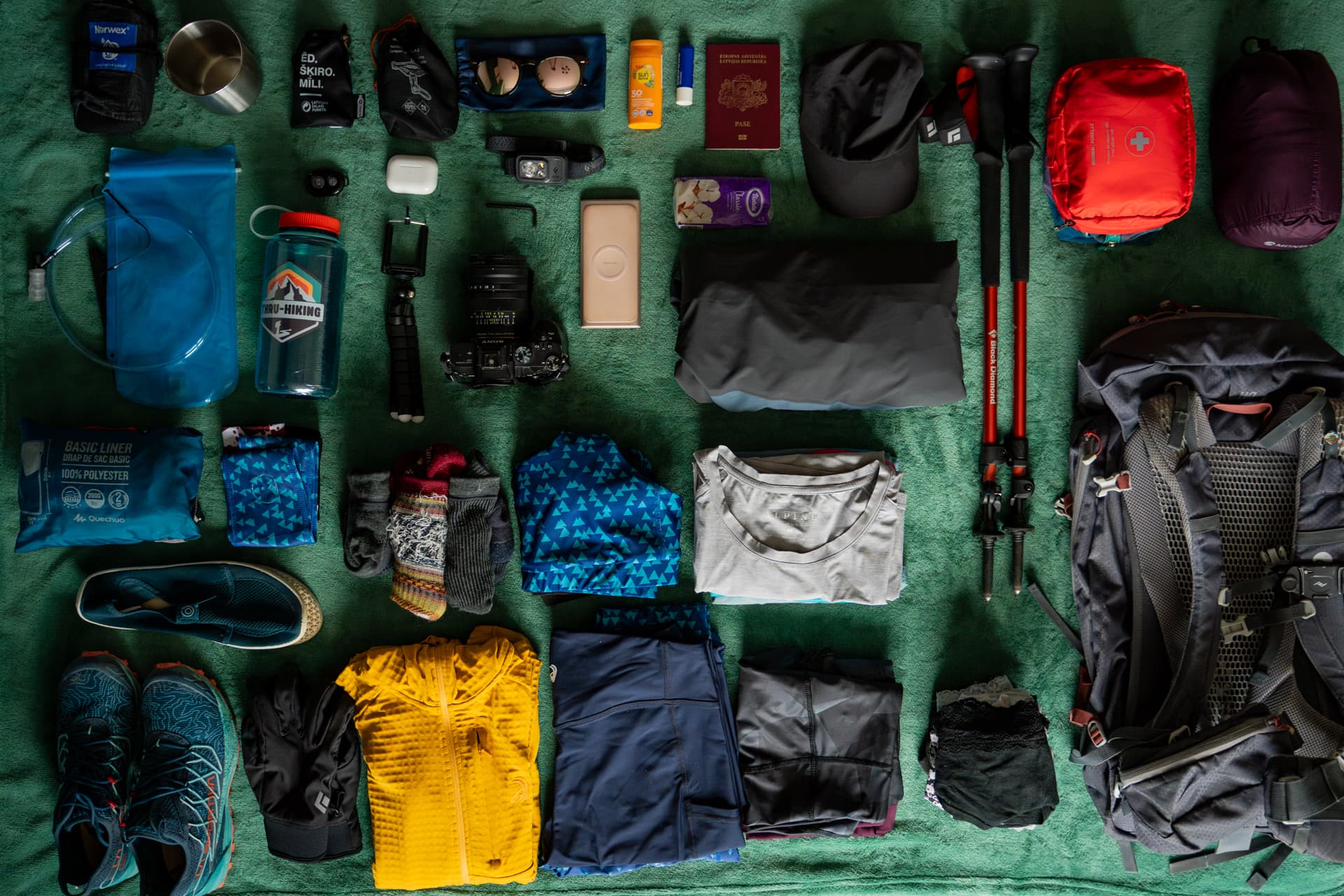
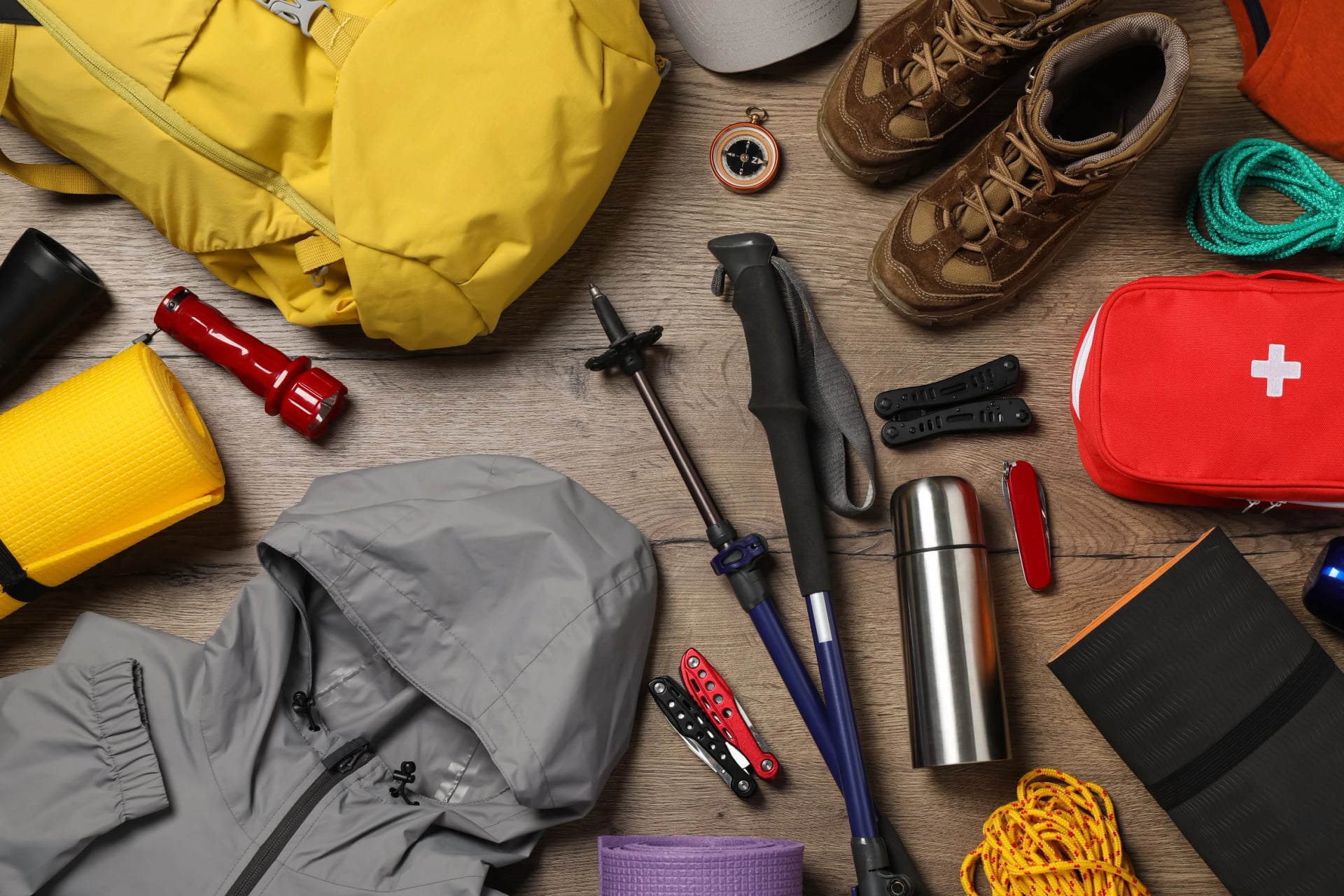
The single most useful thing you can do before you leave: lay everything out, weigh it on a kitchen scale, and see where the grams are going. Most people are surprised by how fast it adds up.
The Backpack
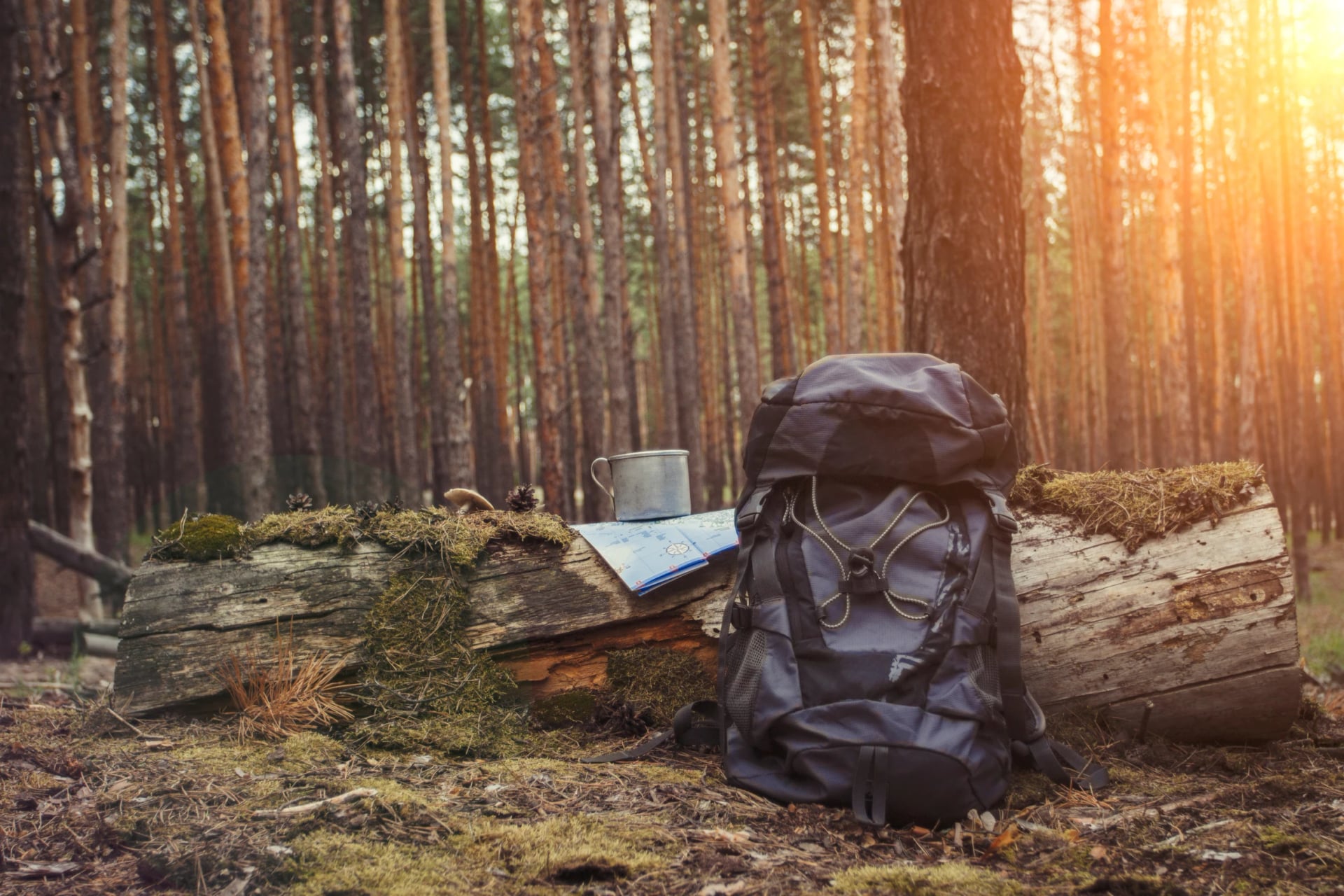
If you're carrying everything, a 35–45 litre pack is the right size for refuge hiking. Anything larger tempts you to fill it. Hip belt pockets are worth prioritizing. They give you access to snacks and your phone without stopping to open the main compartment.
If you're using transfer and hiking with a daypack only, 20–25 litres is plenty for the trail. Your main bag for transfer needs to be soft-sided — no hard-shell cases. The weight limit is typically 15 kg.
Whatever pack you choose, buy it with enough time to break it in on at least two proper training hikes with weight. You don’t want a pack that rubs in a new spot.
Footwear
Ankle-supporting hiking boots are the standard recommendation for the TMB. Hiking shoes are a legitimate choice for experienced hikers who train in them regularly and have strong ankles. They're lighter and faster-drying. If you're newer to multi-day alpine hiking or less confident on technical terrain, boots are the more forgiving option.
Regardless of what you choose, they need to be fully broken in before you arrive. Blisters are a common reason people struggle on the TMB, and barely-worn footwear is the most common cause.
Bring light shoes for the evenings. They let your feet recover and are worth the few hundred grams.
Clothing
The weather on the TMB changes fast and varies considerably with altitude. A sunny morning descending into Courmayeur can turn into a cold, wet afternoon on the pass above Val Ferret.
Base layers: Moisture-wicking tops. Merino wool is worth the investment. It regulates temperature in both directions, resists odor across multiple days, and dries reasonably quickly.
Mid-layer: a fleece or light packable down jacket. This is your evening layer at the refuge and your warmth layer on cold passes. It doesn't need to be heavy.
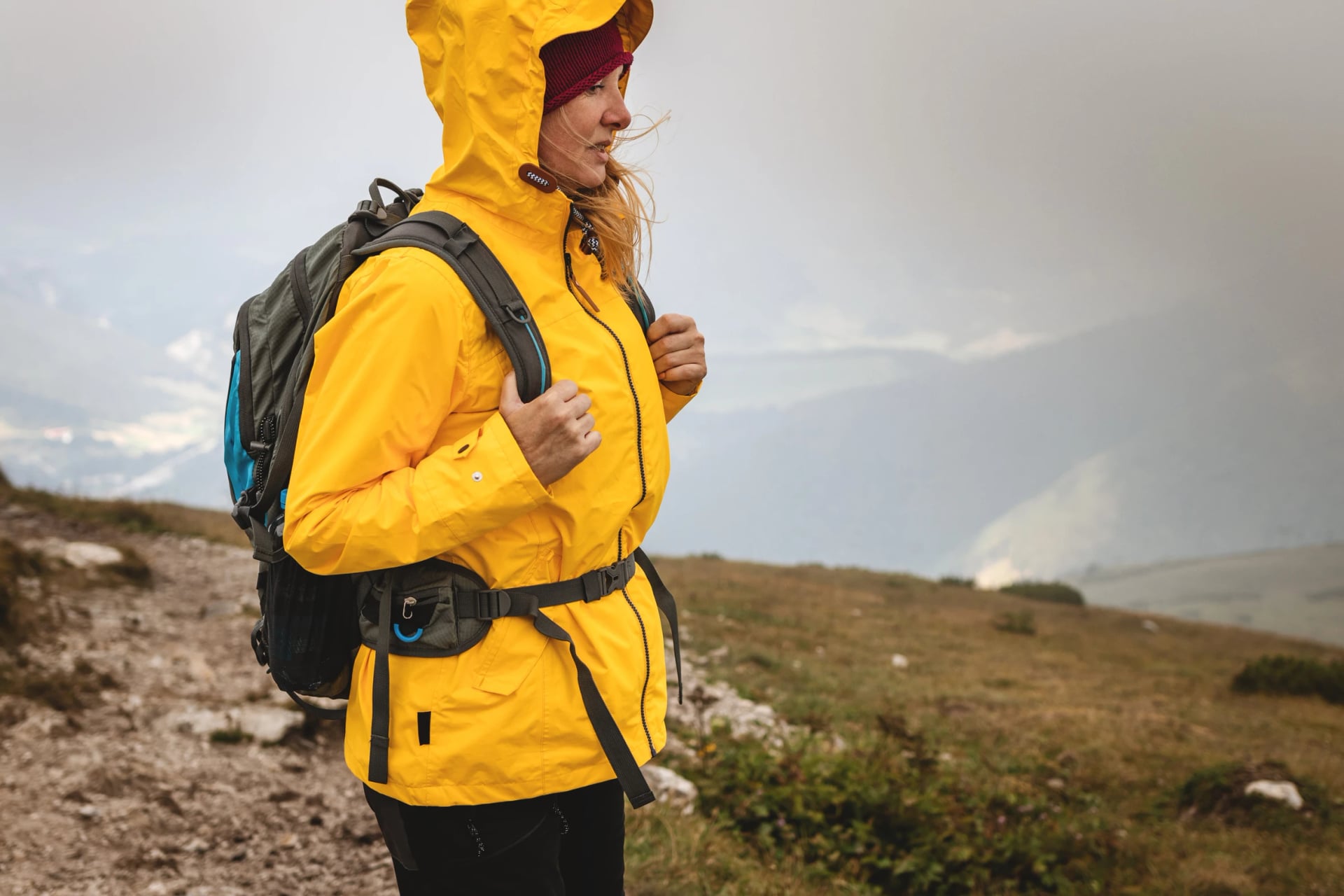
Shell layer: a proper waterproof jacket is non-negotiable. Afternoon storms are common in the Alps even in July and August, and weather can change quickly on the higher passes. A hardshell or good waterproof-breathable softshell is a must. Waterproof trousers are worth bringing too.
Hiking bottoms: a few pairs of trousers or shorts. Include at least one warm pair for high passes and cold mornings. Most refuges have drying facilities for hand-washing overnight.
Evening clothes: one comfortable set for after the hiking day. A light long-sleeve top and a pair of trousers or leggings.
Warm hat and lightweight gloves: even in July, passes above 2,500 m can be cold. These weigh almost nothing.
Sun hat with a brim: UV exposure at altitude is significantly higher than at sea level, and you'll be outside for seven to nine hours most days.
One important rule that applies to all of it: avoid cotton. Cotton absorbs moisture and takes a long time to dry, which makes it cold and uncomfortable when you sweat or get caught in rain. Stick to merino wool or synthetic fabrics throughout.
Sleeping Essentials
TMB refuges provide blankets and pillows, so you do not need a sleeping bag. What you do need is a sleeping bag liner. It adds warmth, keeps the bedding cleaner, and packs down to almost nothing. This is one of the most consistently useful items.
Some refuges provide towels; many don't. Bring a lightweight microfibre travel towel regardless.
On-Trail Essentials
Water: carry at least two litres and refill at huts and villages along each stage. The TMB is well-serviced with water sources, so you don't need to carry more.
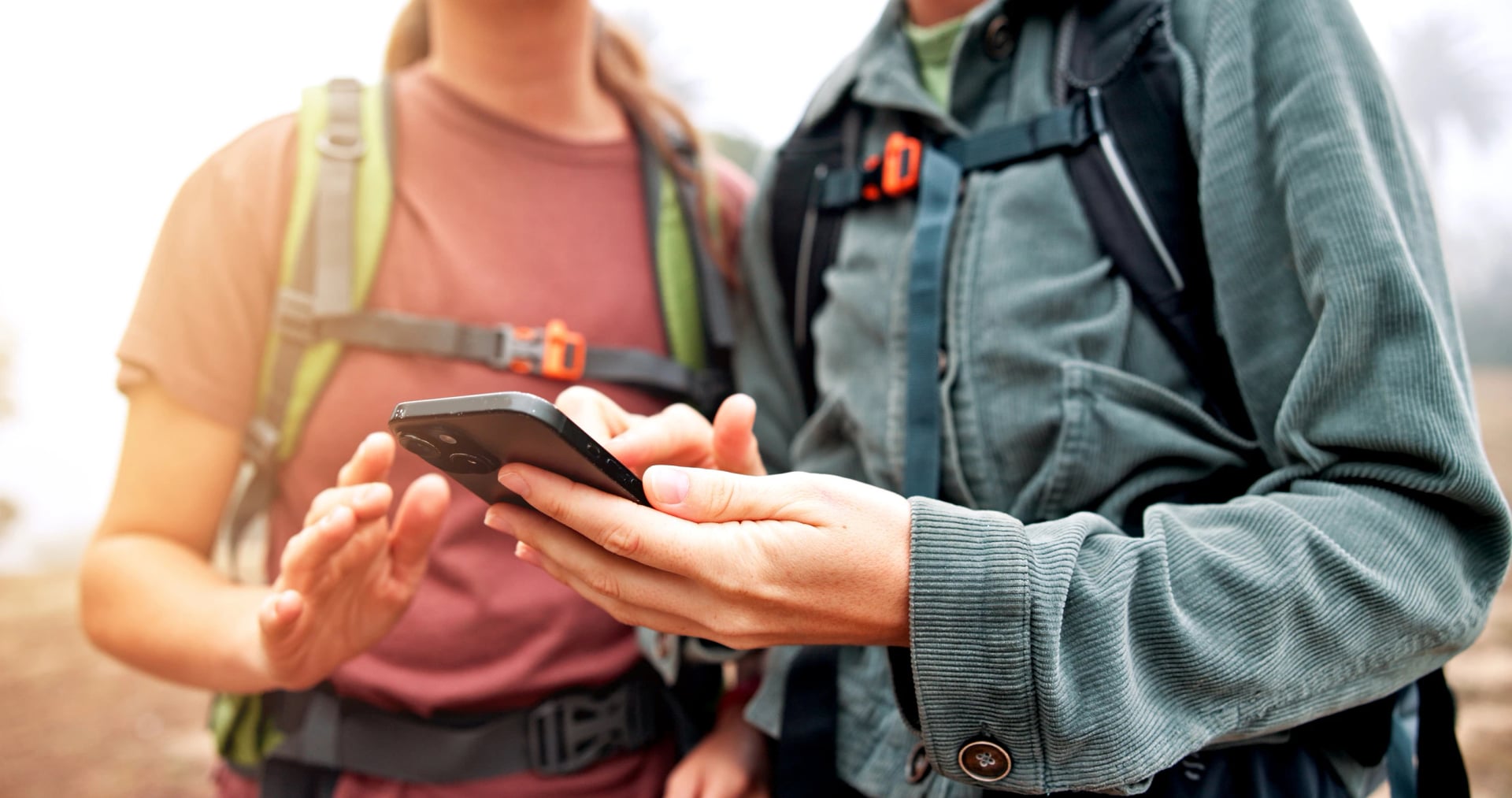
Navigation: a phone with an offline maps app loaded. Keep your phone in airplane mode on the trail to conserve battery and carry a small portable charger. Download a GPX track of the full route before you leave.
Hiking poles: strongly recommended, particularly for the longer days and steep descents. They significantly reduce the load on your knees on the way down and improve stability.
Sunscreen and UV sunglasses: high-factor sunscreen and sunglasses with proper side coverage. The reflective quality of snow on passes and the intensity of alpine sun at altitude are both higher than most people expect.
Headlamp: for early starts and hut evenings. Something lightweight is fine.
First aid basics: blister plasters, ibuprofen, antihistamines, personal medication, and basic wound care. Keep it light, but don't skip it.
Cash: some smaller refuges and vendors along the route don't take cards. Euros cover France and Italy; Swiss francs are useful in Switzerland, though many places there will accept euros.
Passport or ID card: the TMB crosses three international borders. You won't go through formal passport control on the trail itself, but carry it with you at all times. It should always be in your daypack, never in the transfer bag.
When You're Hiking
The main hiking season runs from late June to mid-September, when the refuges are open and the high passes are reliably clear of snow. July and August are peak season — the trail is busiest, the weather most settled, though afternoon thunderstorms are common. September is a quieter, often beautiful time to hike, with cooler temperatures and more changeable conditions on the higher passes.
If you're still deciding when to go, our guide to the best time to hike the TMB breaks down each month in detail.
Whenever you're going, the layering system is the same. Alpine weather is unpredictable at the best of times.
Hiking Your TMB With Us
Luggage transfer is available as an add-on on all of our self-guided TMB tours and is coordinated alongside your refuge bookings as part of your personalized itinerary. If you're not sure whether it's right for your trip, get in touch.


Plan with a hiking expert
Free advice from a team that knows these routes inside out - real people, not a bot

Hassle-Free
We handle itineraries, accommodations, and anything else you prefer not to deal with, so you can enjoy a carefree hike.

Book with confidence
We are a financially protected company, fully bonded and insured, keeping your money safe and allowing you to travel with confidence.

Tried & Tested Adventures
Only the best adventures on the TMB, cherry-picked by our local team with an in-depth knowledge of the region.

Unbeatable support
Our 24/7 customer support is where we show our passion, bringing you a better experience by making your well-being our number one priority.