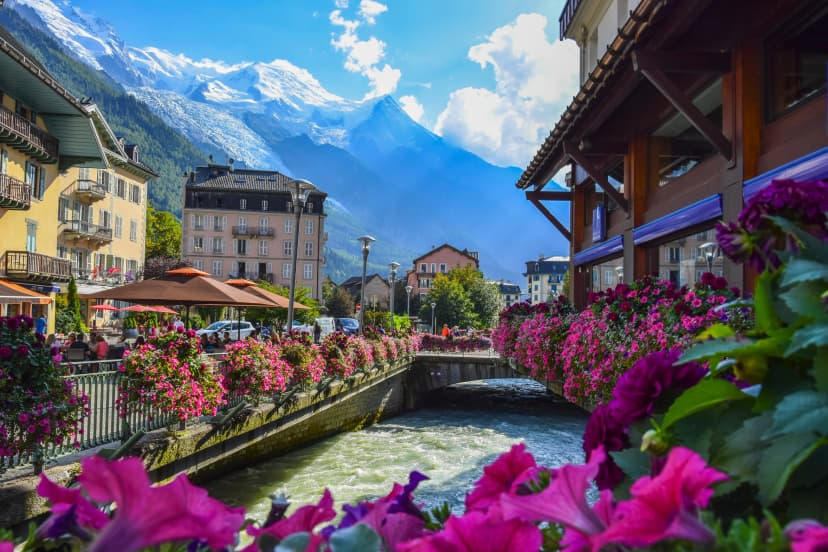
Tour du Mont Blanc in May: What No One Tells You
Thinking about hiking the Tour du Mont Blanc in May? Here's the honest truth about trail conditions, what's open, what's not, and who it's really for.

Suzana
Published May 14, 2026
Edited July 17, 2026
10 min read
Quick links
Don't want to read all this?
We've planned 2,000+ hiking trips. Send your dates, fitness and group size — we'll map the route and book every night.



Can you hike the Tour du Mont Blanc in May? Yes. Should you? That depends on a few things this post will help you figure out.
May is not part of the official TMB season, which runs from mid-June to mid-September. The high passes are under snow, nearly all refuges are closed, and the trail as most people know it simply isn't operational. But the mountain is there, the valleys are accessible, and for certain hikers, experienced, well-equipped, and clear-eyed about the conditions, May has a case to make.
Not sure if May is the right month for you? Our guide to the best time to hike the Tour du Mont Blanc covers all twelve months in one place.
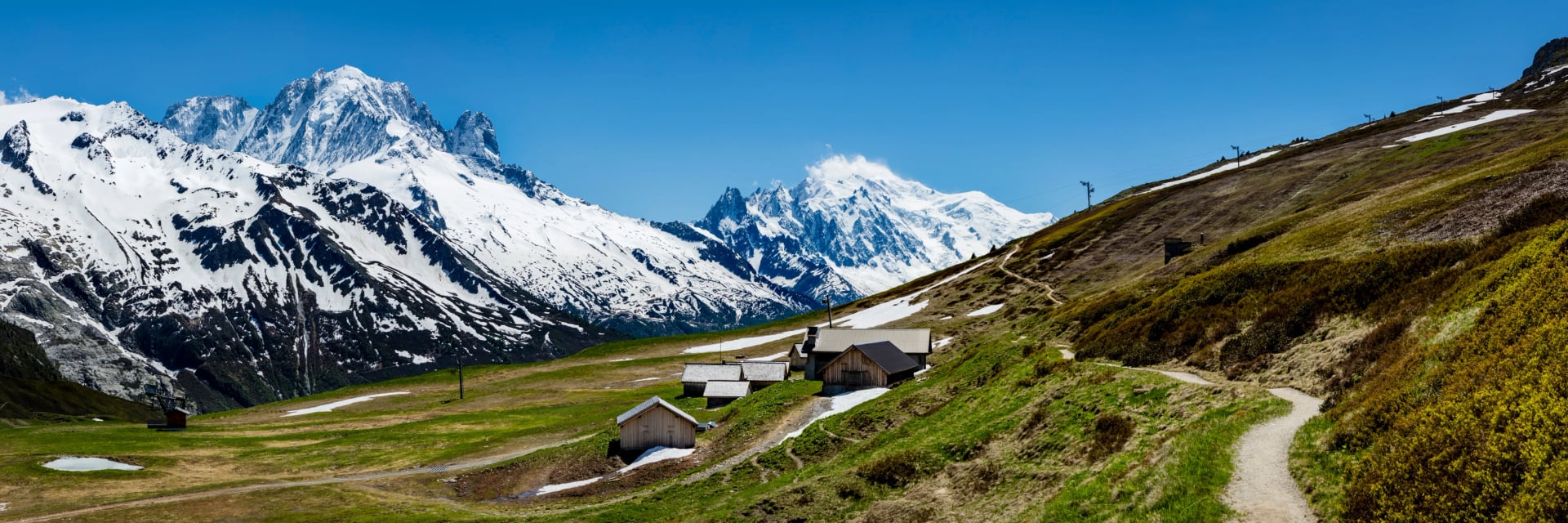
Can You Hike the TMB in May?
Technically yes. Practically, it depends entirely on who you are and what you're prepared for.
The standard Tour du Mont Blanc, the version with 11 stages, refuge bookings, luggage transfer, and yellow waymarkers guiding you from hut to hut, does not exist in May. The trail infrastructure that makes the TMB accessible to hikers of all backgrounds simply isn't in place yet.
What does exist is the mountain terrain itself. The valleys are accessible. The lower paths are mostly free of snow.
For hikers with winter mountain experience, the right equipment, and a realistic understanding of the risks, parts of the TMB route are walkable. But it requires a fundamentally different level of preparation, self-sufficiency, and comfort with uncertainty than the summer circuit demands.
The TMB hiking season officially runs from mid-June to mid-September. If you're weighing May against June, the answer is almost always: push to June.
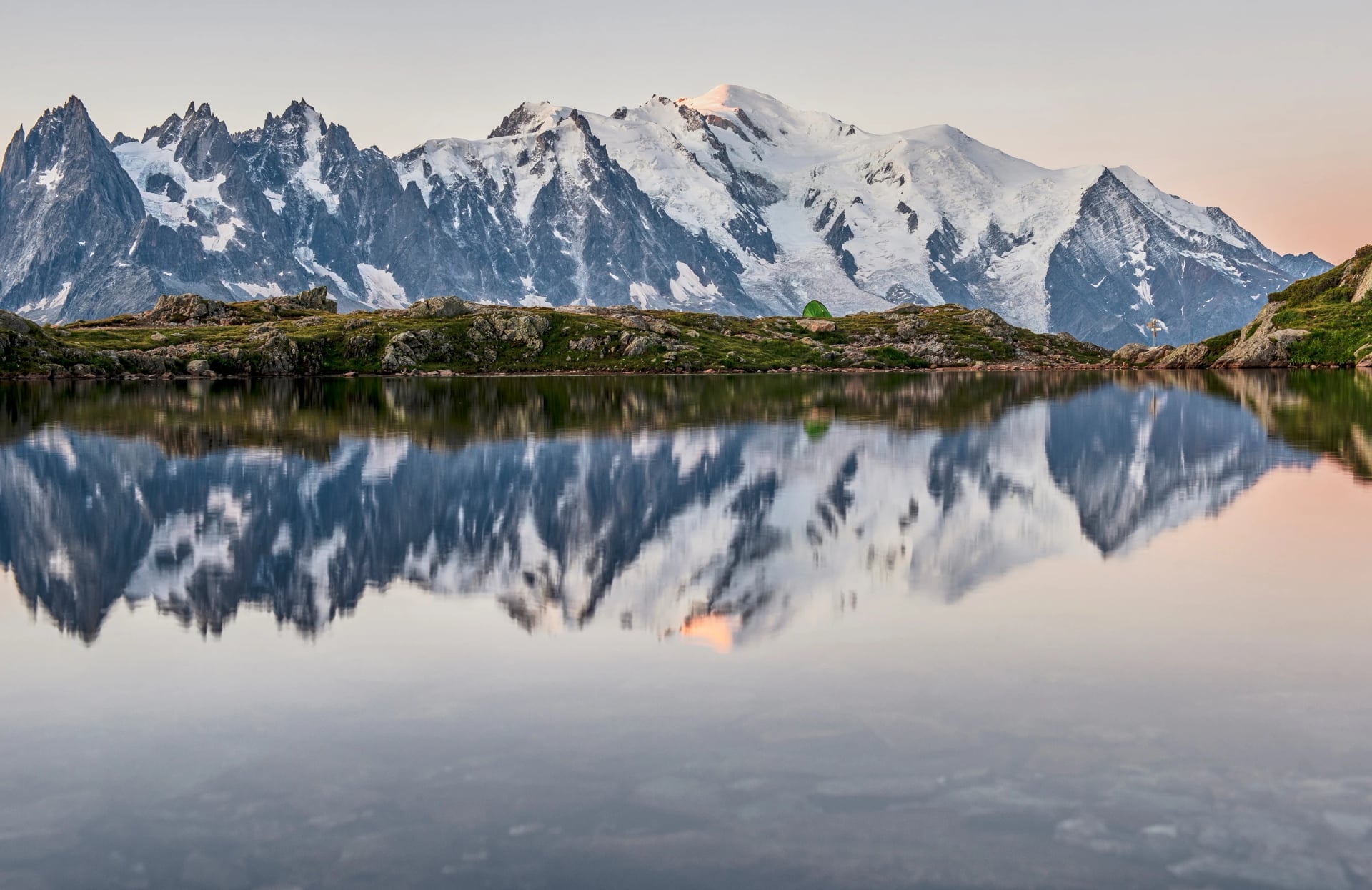
TMB in May: Trail Conditions
Understanding what May actually looks like on the ground means looking at each section of the route honestly. Conditions vary significantly between years, but the overall pattern is consistent enough to give reliable guidance.
Below 1,800–2,000m: generally accessible
The valleys are largely snow-free by May. Lower trail sections from Les Houches toward Les Contamines, the valley floors of the Italian Val Ferret, and the Swiss stretch between La Fouly and Champex-Lac are typically passable. Expect muddy sections from snowmelt, particularly on descents and in shaded forest corridors.
Col du Tricot (~2,120m): possible in late May
One of the more accessible early-season mountain passes on the route. By late May in a reasonable snow year, the ascent via the suspension bridge is manageable for hikers with crampons and some experience on snow. There will be patches near the top, and the descent can be soft and unpredictable in afternoon warmth. In a heavy snow year, treat this as uncertain.
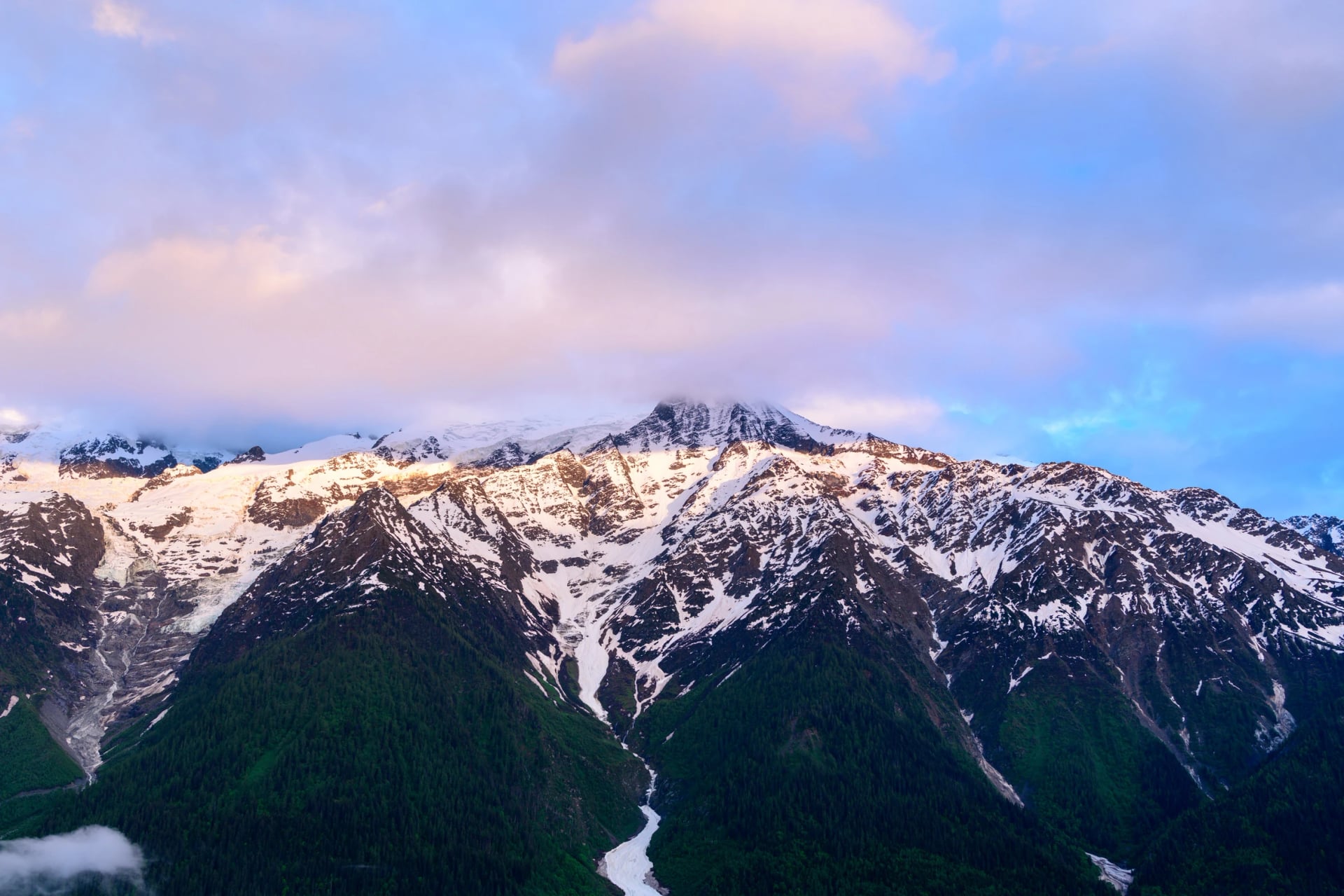
Col du Bonhomme (~2,329m) and Col de la Croix du Bonhomme (~2,483m): not suitable for most hikers
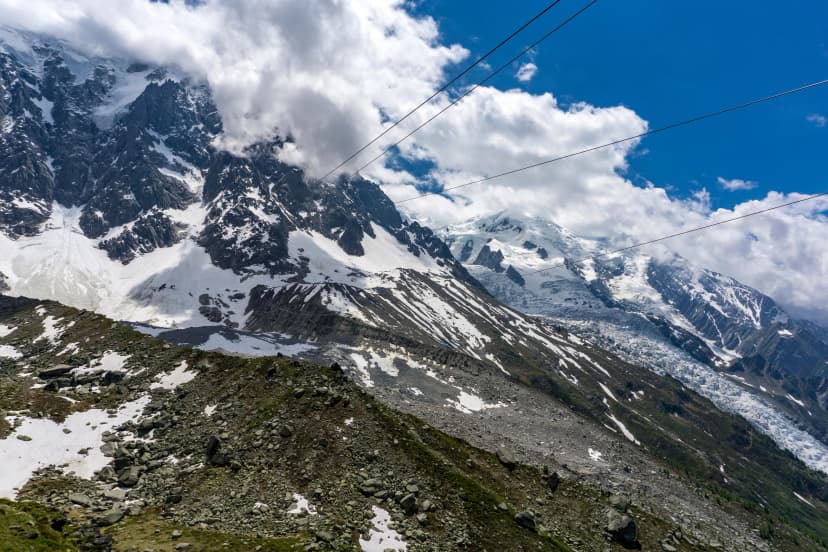
These are the critical French passes, and they typically hold snow well into June. In May, expect significant coverage above 2,000m, exposed traverses that demand crampons and sound judgment, and the real possibility of disorienting conditions. The variant to Col des Fours (2,665m) should not be attempted in May under any circumstances — it is alpine terrain in full winter condition.
Col de la Seigne (~2,516m, France–Italy border): winter conditions
One of the snowiest sections of the classic route. This pass is not suitable for trekking in May. The upper slopes require mountaineering competence, and route-finding on the standard summer path is largely impossible under snow cover.
Italian Val Ferret and the area around Rifugio Bonatti (~2,000m): manageable lower down
Once you're in the Italian section and below 2,000m, May conditions are considerably more reasonable — some snow patches to navigate, but largely walkable terrain. The high ridge route over Mont de la Saxe is a different matter entirely: avoid it in May.
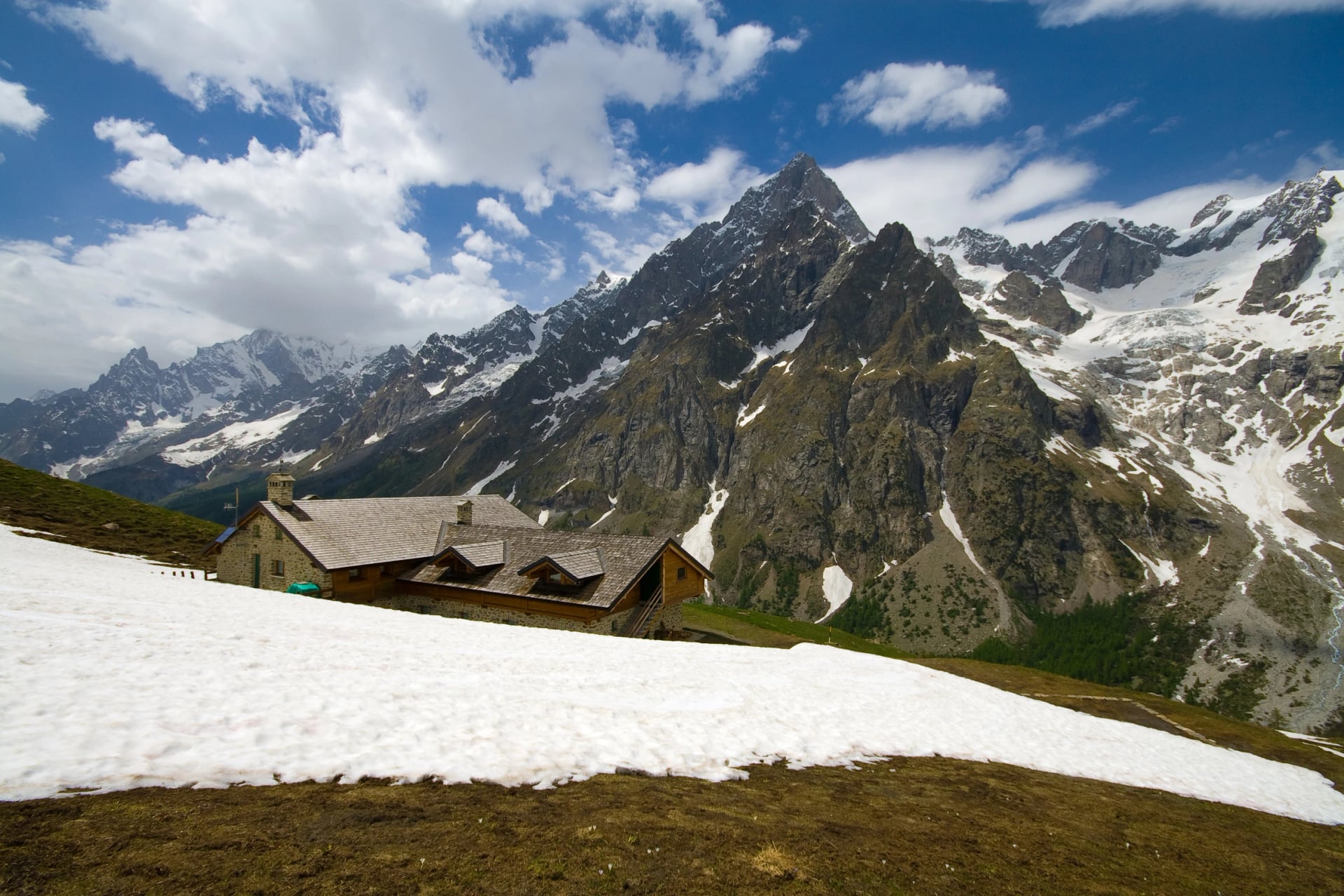
Grand Col Ferret (~2,537m, Italy–Switzerland border): significant snow
Holds considerable coverage in May. The Swiss side is consistently snowier than the Italian approach and melts later. Possible for experienced winter hikers with crampons and an ice axe; risky for anyone else.
Fenêtre d'Arpette (~2,665m): do not attempt in May
This variant is a serious mountain pass in ideal summer conditions. In May it is an alpine route that demands full winter mountaineering skills, good avalanche awareness, and proper equipment. Even in early July in some years it carries dangerous ice. File it firmly under "summer only."
Col de Balme (~2,204m, Switzerland–France border): variable
The French side, above Le Tour, melts relatively quickly and can be accessible in late May during a favourable year. The Swiss side holds snow considerably longer. Never assume, always check current local conditions before attempting.
Grand Balcon Sud and the Lac Blanc area (~1,900–2,350m): mostly snow-covered
The balcony trail sections above the Chamonix valley retain snow in May. The approach to the ladder section is typically clear to the base of the rock, but above that, the Grand Balcon Sud remains heavily covered. Lac Blanc at 2,352m is still firmly alpine in May.
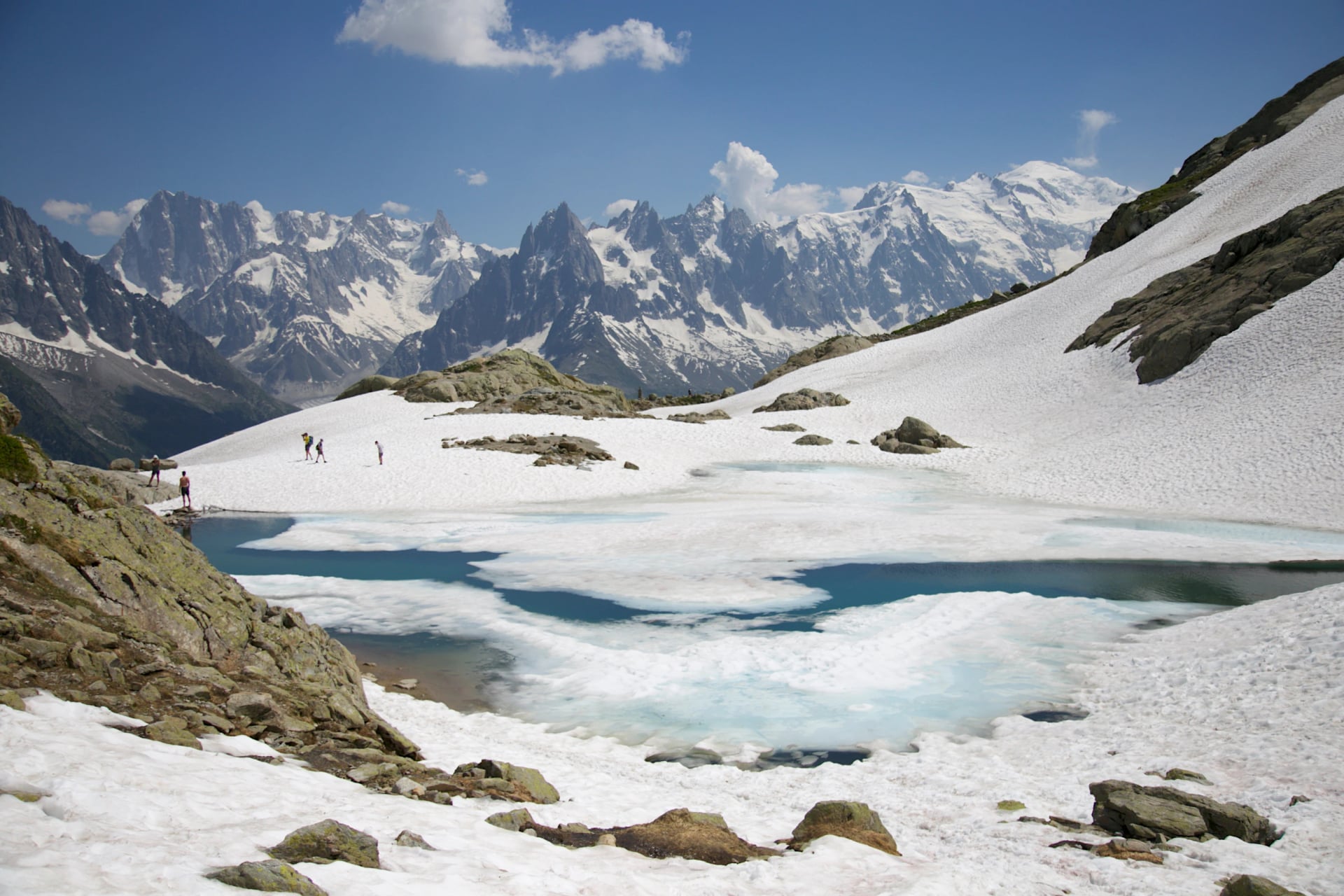
The honest summary: in May, the lower third of each stage, the valley floors and lower forest paths, is accessible. Everything above roughly 2,000–2,200m requires winter mountain skills and appropriate equipment. The full classic TMB circuit as a connected, hut-to-hut trek is not a realistic objective in May.
Refuges in May: What's Open and What Isn't
This is the most practical constraint for anyone considering the TMB in May, and it's the one that surprises people most: almost all refuges are closed.
The hut network that makes the TMB work, where you eat a hot dinner, sleep in a dorm, and set off the next morning with a packed lunch, opens from mid-June. A small number of refuges begin limited service slightly earlier in the season, but the full network is not operational until mid-June at the earliest.
In May, you are on your own for food and shelter from the moment you leave a valley town.
What this means in practice:
You cannot do a hut-to-hut TMB in May.
If you're attempting multi-day sections at altitude, you need to carry camping equipment. That weight, added to crampons and extra layers, makes for a serious load on already-challenging terrain.
Some valley hotels, gîtes, and B&Bs in the main towns along the route are open from early spring. Chamonix, Les Contamines, Courmayeur, Champex-Lac, and La Fouly all have accommodation available in May. These work well as bases for day hiking rather than staging posts on a continuous multi-day circuit.
The other thing to understand is that the summer refuge network provides a safety net that simply does not exist in May. When a storm rolls in on the TMB in July, you are rarely far from a staffed hut. In May, if conditions deteriorate above the valleys, that option isn't there.
Temperatures and Weather in May
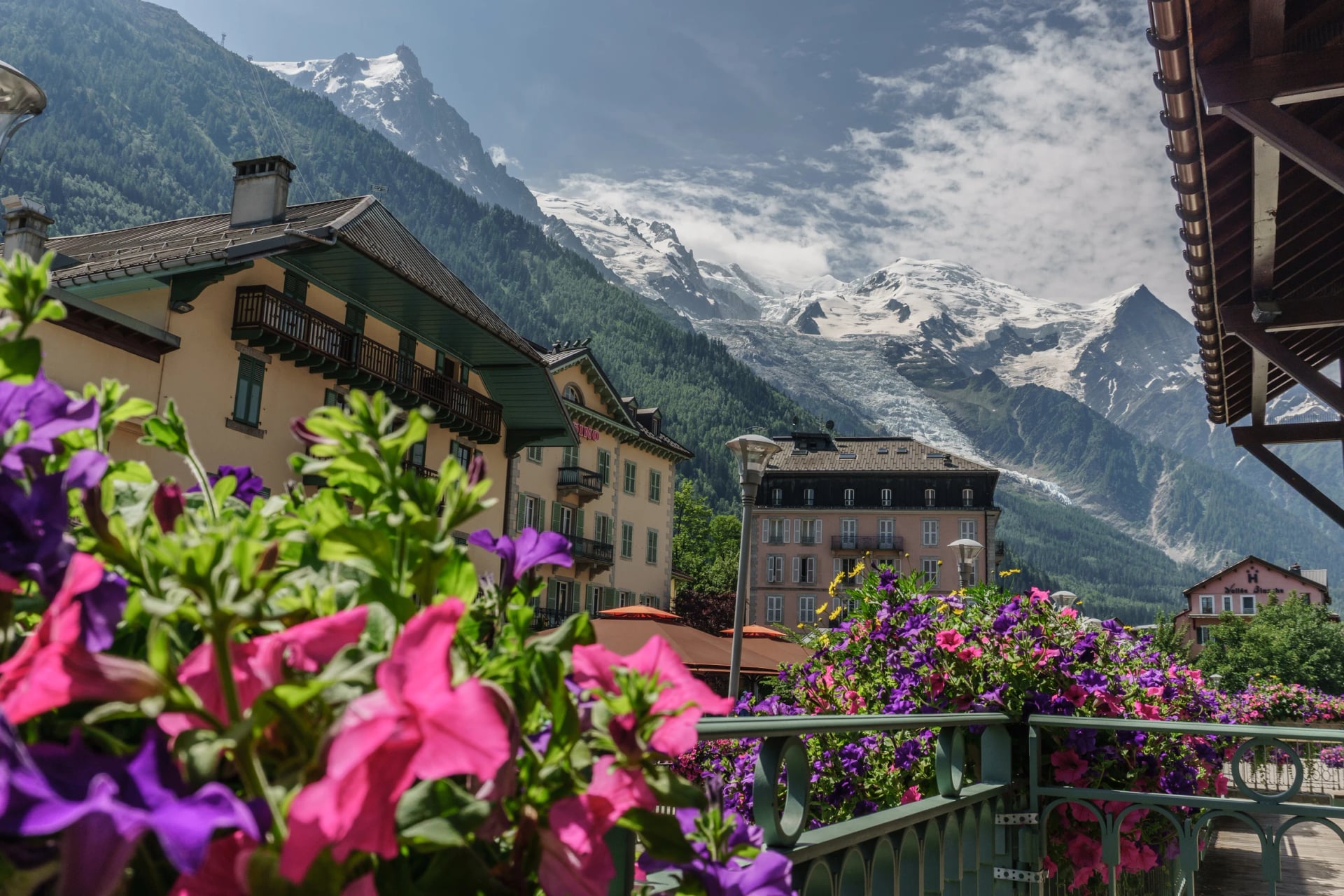
May is one of the most unpredictable months in the Mont Blanc massif. The valley temperatures are genuinely pleasant, the weather at altitude, however, behaves by different rules entirely.
At valley level: mild and increasingly spring-like, with an average monthly rainfall of around 70mm. Rain showers are common and can arrive quickly.
Above 2,000m: cold, potentially snowy, and genuinely alpine in character. Temperatures at the high passes can drop well below freezing overnight. Morning snow surfaces are typically hard and icy, softening to soft and treacherous by early afternoon.
The valley/altitude contrast: the difference between the valley floor and the high passes is at its most extreme in May. What feels like a spring walk below 1,500m can become a winter mountaineering situation within an hour of climbing. Don't let warm valley temperatures set your expectations for the passes above.
For up-to-date conditions before any high-altitude outing, the Office de Haute Montagne (Maison de la Montagne) in Chamonix town centre is the most reliable source available. They provide current trail conditions, weather forecasts, and safety guidance for the entire massif.
Who Is the TMB in May Actually For?
This matters. Getting the answer wrong doesn't just make for a bad trip — it can put you in a situation that requires rescue.
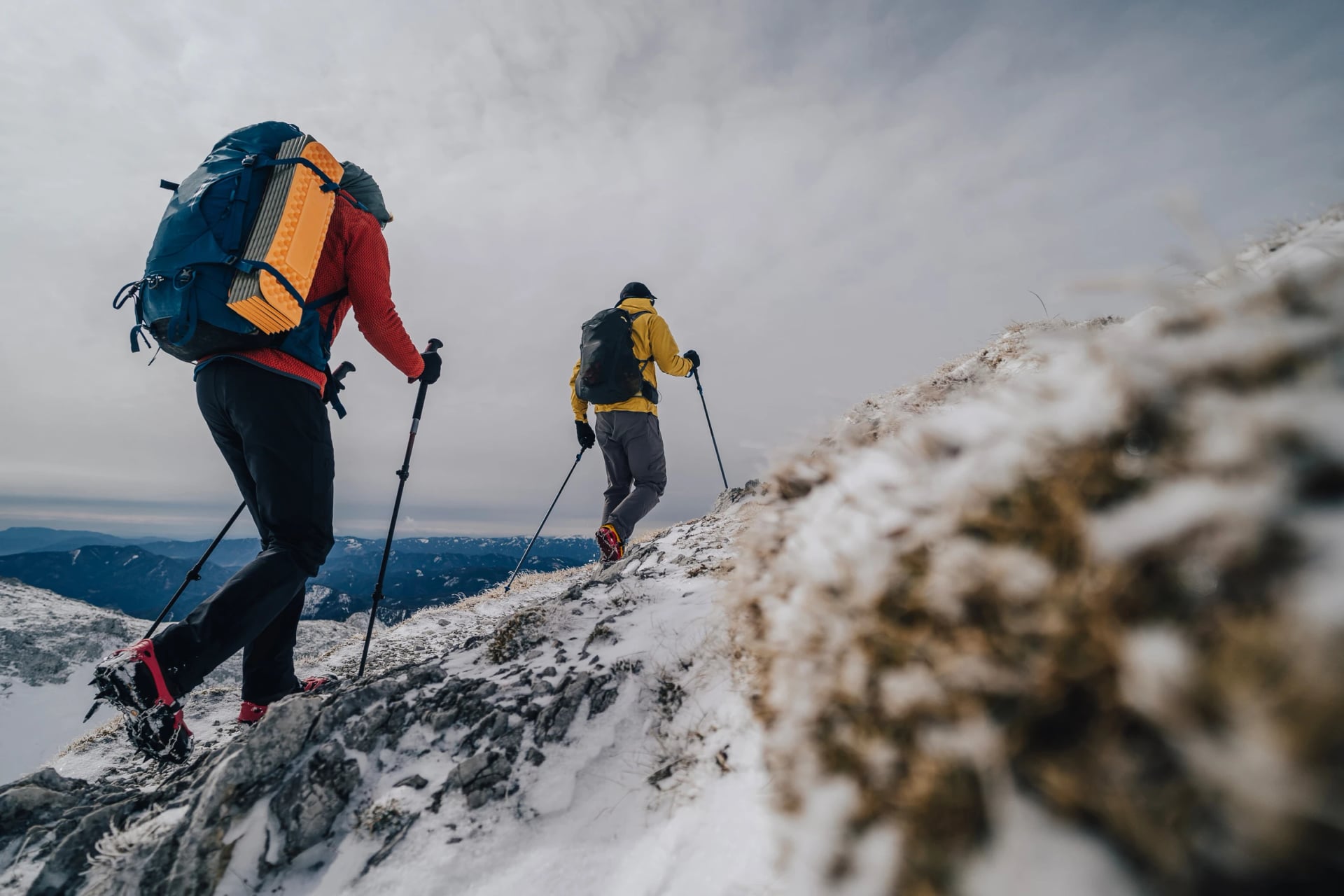
May is right for:
Experienced alpine or winter mountaineers who are comfortable on snow and ice, competent with crampons and ice axe, capable of self-rescue, and able to navigate in conditions where the marked trail is buried under metres of snow.
Ski tourers and snowshoers approaching the high terrain with the appropriate equipment and local knowledge.
Day hikers who stick to valley-level and low-altitude trails (below roughly 1,800m), are properly dressed for variable weather, and understand that conditions above them are an entirely different proposition.
May is not right for:
Standard TMB hikers expecting a hut-to-hut circuit, even a shortened one.
Beginner or intermediate hikers who have never hiked on snow or used crampons.
Anyone without a proper winter mountain kit and the skills to use it above 2,000m.
Still deciding which month works for you? Our month-by-month guide to the best time to hike the TMB is a good place to compare your options. When you're ready to take the next step, get in touch — we book refuge places in advance and handle the logistics for you.
Frequently Asked Questions
Is the Tour du Mont Blanc open in May?
The TMB doesn't have a formal opening or closing, it's a public route through three countries. But the infrastructure that makes it a trekking route, meaning the open refuges, maintained bridges, staffed passes, and operational transport, is largely not in place until mid-June.
The high passes carry significant snow in May, and most refuges are closed. It's accessible terrain for experienced alpine hikers with the right equipment.
Are any TMB refuges open in May?
Very few. The mountain refuge network mostly opens from mid-June. Valley-level hotels and gîtes in Chamonix, Les Contamines, Courmayeur, and Champex-Lac are typically open year-round or from early spring. If you're planning multi-day hiking above the valleys in May, you need to carry camping equipment, there is no hut-to-hut option.
Do I need crampons for the TMB in May?
Yes, for any section above approximately 1,800–2,000m. The key passes all carry significant snow in May. Crampons alone are not sufficient; you need to know how to use them on exposed mountain terrain. If you haven't done so before, those passes are not safe objectives in May.
What is the weather like on the TMB in May?
Valley temperatures are pleasant (9–21°C), but conditions above 2,000m remain genuinely alpine. Late snowfalls are not so unusual in May. The passes can be sub-zero with strong winds even in late May. Weather is significantly more unpredictable than in July or August, and the gap between valley and high-altitude conditions is at its widest.
When does the TMB season actually start?
The hiking season effectively begins from mid-June, when refuges open and most high passes become accessible without winter equipment. Some years, patches of snow persist on the highest variants into early July. The safest and most reliable opening is generally from the third week of June, though this varies year to year.

About this author
Suzana is our travel advisor and a hiker who believes the best trails aren't just about the summits. She loves spotting alpine plants, watching wildlife, and the laughs, chats, and snack breaks that make every trail worth walking.