Tour du Mont Blanc in September: The Real Picture
Quieter trails, clearer skies, and no crowds. But refuges are closing and the weather is changing. Here's what hiking the TMB in September really means.

Suzana
Published May 14, 2026
Edited July 17, 2026
10 min read
Quick links
Don't want to read all this?
We've planned 2,000+ hiking trips. Send your dates, fitness and group size — we'll map the route and book every night.



Ask most people who've hiked the TMB when they'd go back, and a surprising number say September. Quieter trails. Cooler temperatures. Clearer skies. The kind of solitude that you simply cannot find in July or August.
What they don't always mention is that September requires more planning than peak season. Refuges close throughout the month. Some cable cars stop running by mid-September. And the weather, while often excellent, can turn colder and more serious.
The good news is that none of this is complicated, if you know about it in advance.
Not sure if September is the right month for you? Our guide to the best time to hike the Tour du Mont Blanc covers all twelve months in one place.
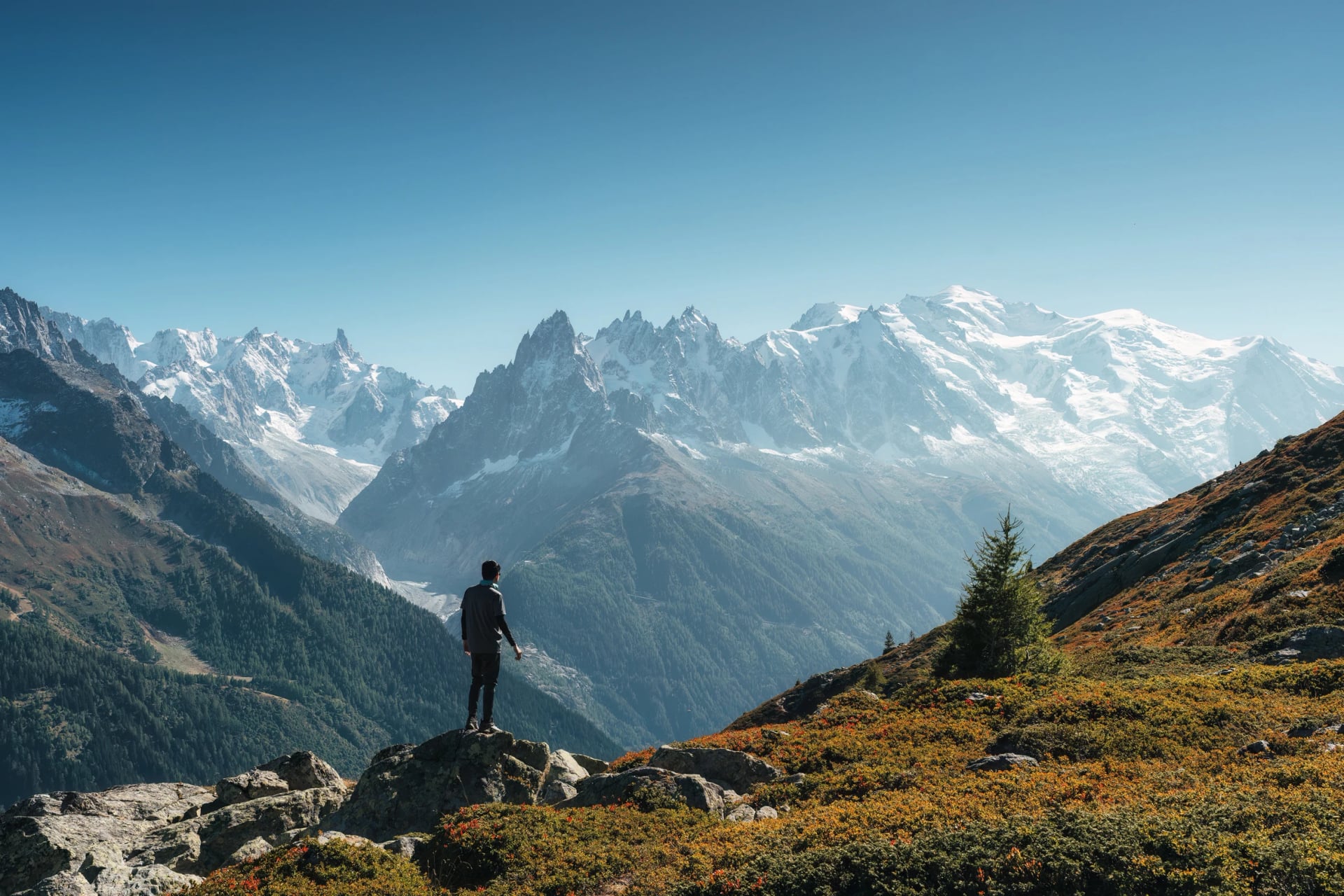
Can You Hike the TMB in September?
Yes. But early September and late September are not the same hike, and that distinction is the most important thing.
The standard Tour du Mont Blanc, the version with 11 stages, refuge bookings, luggage transfer, and yellow waymarkers guiding you from hut to hut, exists in September, but not for the whole month. The infrastructure starts winding down from mid-month, and it does so in a sequence that affects some stages before others.
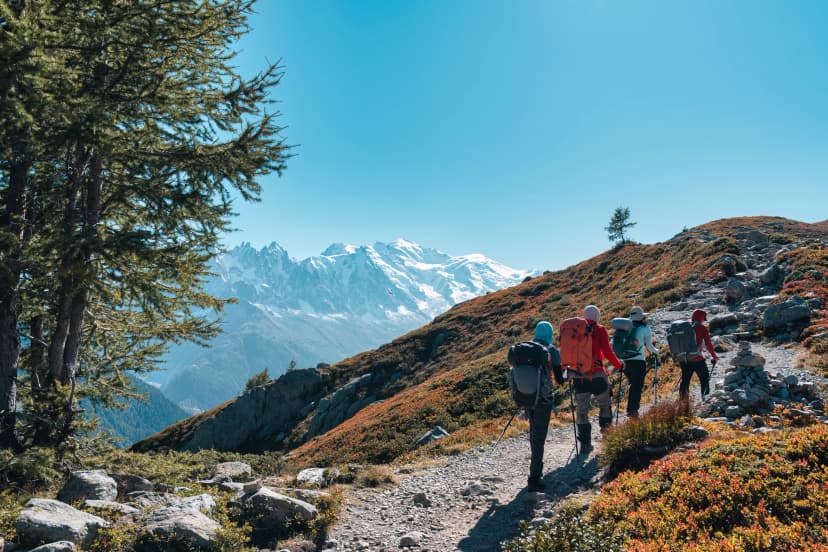
Early September is a genuine sweet spot. The passes are snow-free, the weather is often settled, most refuges are fully operational, and the trail carries a fraction of the August crowds.
Late September is a different calculation. Refuges close in sequence, some transport links reduce, weather becomes colder and less predictable, and the possibility of early snowfall on the higher passes is real. It's still doable for fit, well-prepared, and flexible hikers, but it requires a different level of planning than early September.
The TMB hiking season officially ends around mid-September. If you're weighing early September against August, early September almost always wins on quality of experience.
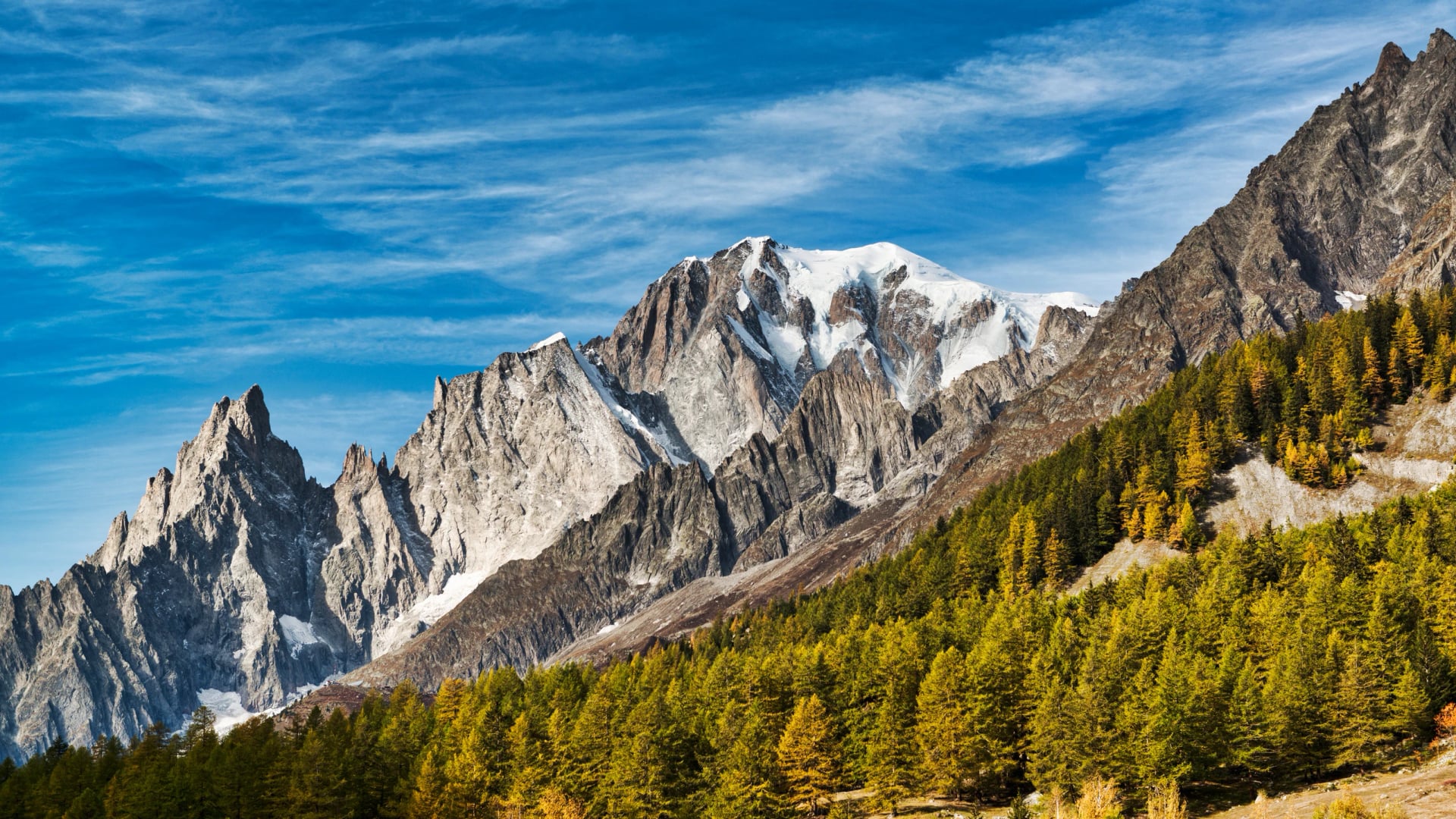
The UTMB factor: the Ultra-Trail du Mont Blanc, the world's most famous mountain ultramarathon, takes place over the last weekend of August and into the first days of September. It follows the TMB anti-clockwise route and brings thousands of runners and tens of thousands of spectators to the trail. Refuge and hotel availability during this window is extremely tight around Chamonix, Courmayeur, and Champex-Lac, and prices in these towns spike sharply. Check the UTMB dates for your specific year and plan your start date accordingly.
TMB in September: Trail Conditions
In September the question is what's still accessible, and for how long. In early September, the answer is nearly everything. By late September, the picture narrows.
All main passes in early September: clear
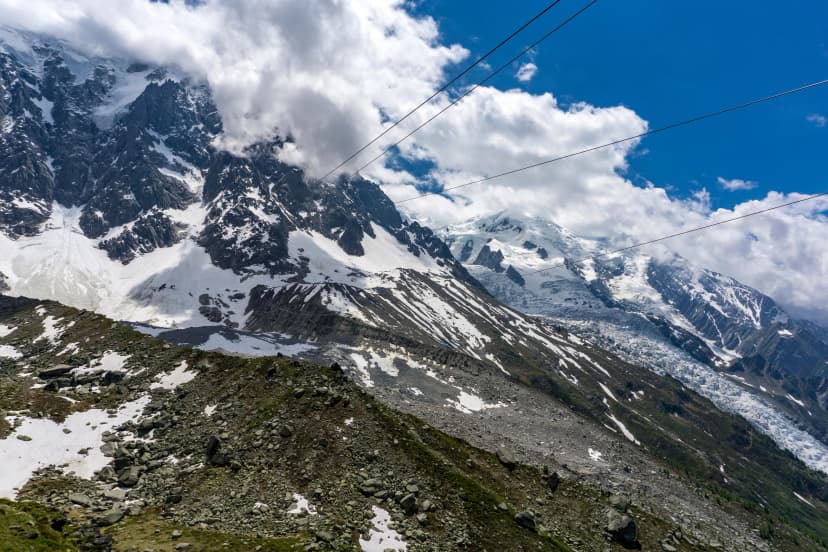
By September, the high passes that required crampons in June are entirely snow-free in a normal year. Col de la Seigne, Col de la Croix du Bonhomme, Grand Col Ferret, Col de Balme all are in full summer condition through the first half of the month. The trail surface is well-worn, the markers are visible, and the routes are exactly as the guidebooks describe. No specialist equipment required, no route-finding uncertainty.
Early September snow: unlikely but not impossible
An early September snowfall is not unheard of. It happens in some years, typically arriving as a short-lived storm that dusts the highest elevations and melts within a day or two. It rarely closes passes or makes them dangerous. Pack as though it's possible rather than assuming otherwise. The passes above 2,400m can see overnight freezing temperatures in September even when daytime conditions feel mild.
Mid to late September snow: a genuine consideration
The second half of September is when the equation changes. Early snowfall on the higher passes becomes a realistic rather than possibility. A storm dropping 20–30cm overnight can make the Fenêtre d'Arpette and Col des Fours significantly more demanding. The main classic passes, Col de la Seigne, Grand Col Ferret, Col de Balme, are more resilient and typically remain passable, but conditions should be checked daily rather than assumed.
Daylight: a shrinking window
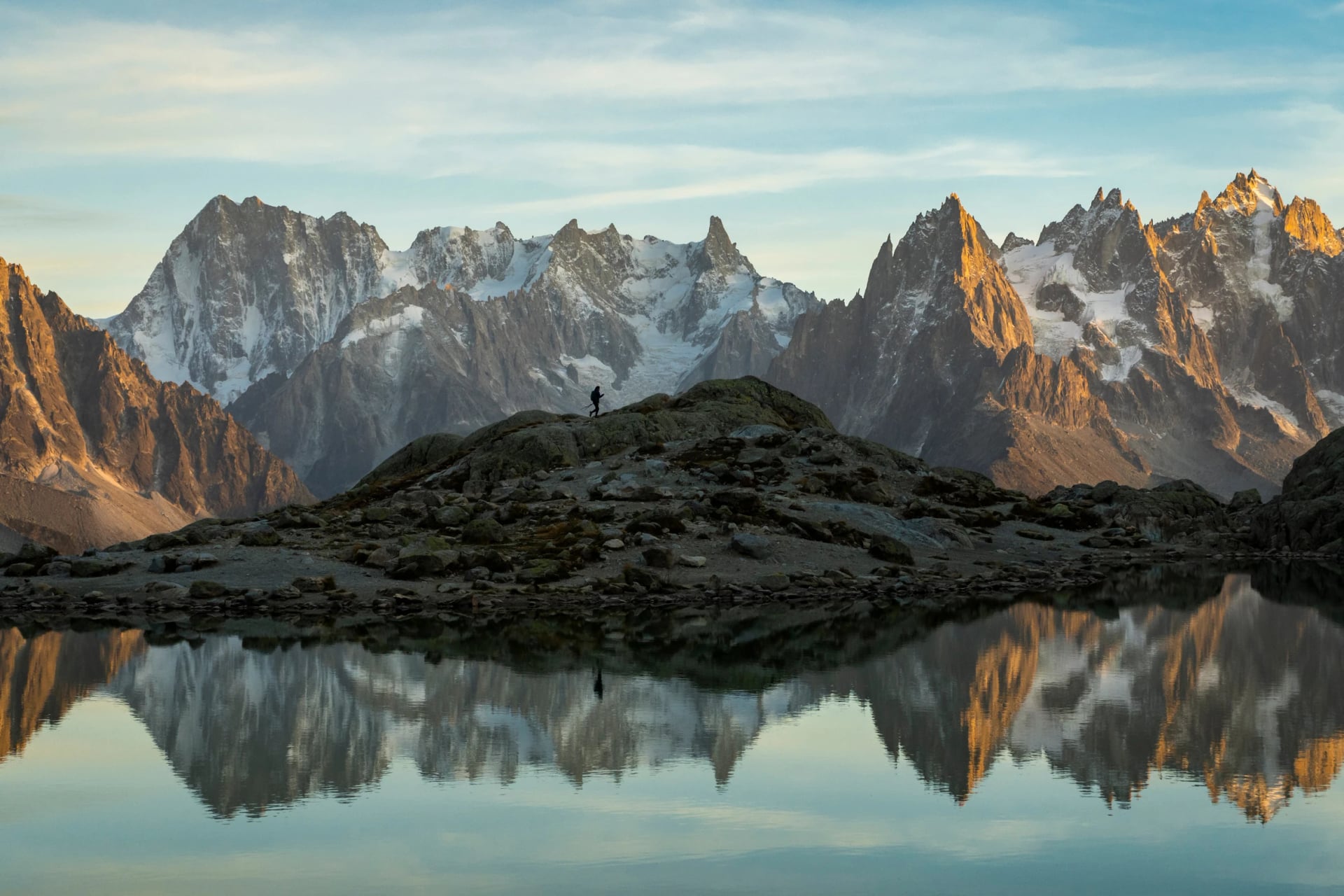
In July, darkness falls close to 9pm. By mid-September in the Mont Blanc massif, daylight ends around 7:30pm. By late September, closer to 7pm. This matters if you're on a long stage, you've had a slow morning, or a demanding variant has added time to your day. Plan your September stages around September daylight, not August daylight.
The honest summary
In early September, trail conditions are excellent across the entire route, including all variants. From mid-September onward, the window narrows: early snowfall becomes possible on the highest terrain, and shorter days require tighter planning. The full classic TMB circuit is entirely realistic throughout September, but when in the month you go shapes the experience.
Refuges in September: What's Open and What's Already Closing
The general pattern is that most TMB refuges close around September 20th, but this is an average, not a rule.
Higher-altitude huts and more remote refuges tend to close first. Valley-level hotels and gîtes in the main towns along the route stay open considerably longer.
What this means in practice
If you start the TMB in the first week of September, the full hut network is essentially operational. You can book a classic 11-stage itinerary with confidence and expect your chosen refuges to be open and staffed.
If you start in the second week of September, some higher-altitude refuges may already be closed or running on reduced service.
Refuge Lac Blanc (2,352m) and Refuge Bellachat (1,795m) tend to close earlier in the season than valley-level huts. Check individual closing dates before confirming your itinerary and don't assume that a refuge that was open last year will be open on the same dates this year.
If you're starting in the third week of September or later, build your itinerary around what's actually open rather than the classic route. Some stages may have no operational refuge at the standard overnight stop, requiring either a reroute to the next available accommodation or a drop into a valley town. This is manageable, but it requires planning before you set off.
Temperatures and Weather in September
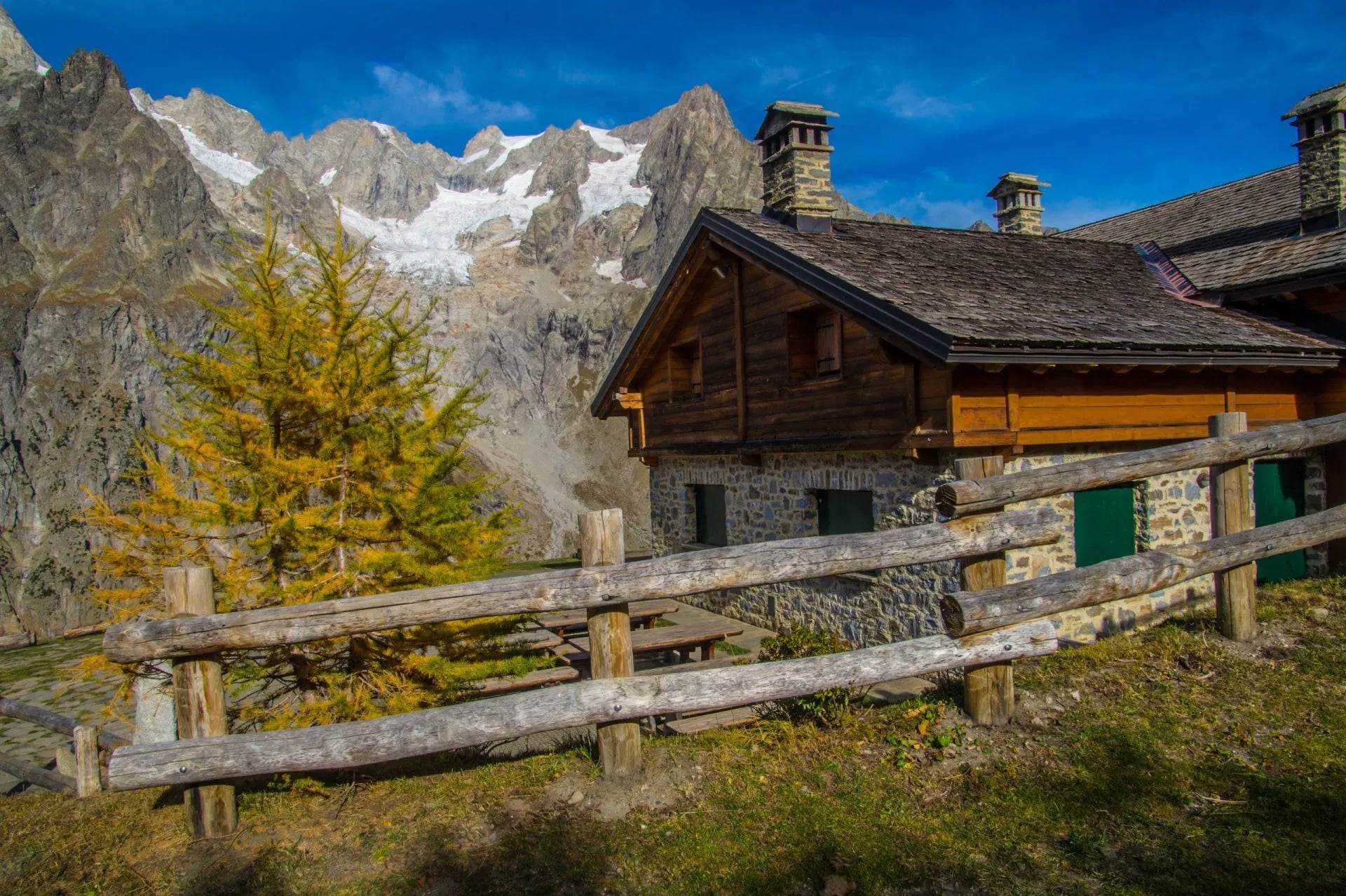
September is the month where the Alps visibly shift from summer to autumn, and the weather reflects that transition — sometimes gracefully, sometimes abruptly.
At valley level: cooler than August but still genuinely pleasant in early September. Average highs in the Chamonix valley run around 18–21°C (64–70°F) in early September, dropping to 14–17°C (57–63°F) by late September. Evenings cool quickly once the sun drops behind the peaks, and the temperature differential between midday on the trail and dinnertime at a refuge is more pronounced.
Above 2,000m: noticeably colder than the valley suggests. Night temperatures at the high refuges can drop to 0°C or below in September even when valley conditions feel mild. Bring more insulation than you think you'll need, the layers that felt excessive in August are appropriate in September.
Rainfall: September is statistically one of the drier months of the TMB season. This is one of the genuine advantages of the month. When the weather is clear in September, it tends to stay clear for longer sustained windows than the volatile afternoon-storm pattern of midsummer. But when a weather system moves in, it often brings colder, heavier precipitation, and at altitude, that precipitation can arrive as snow rather than rain.
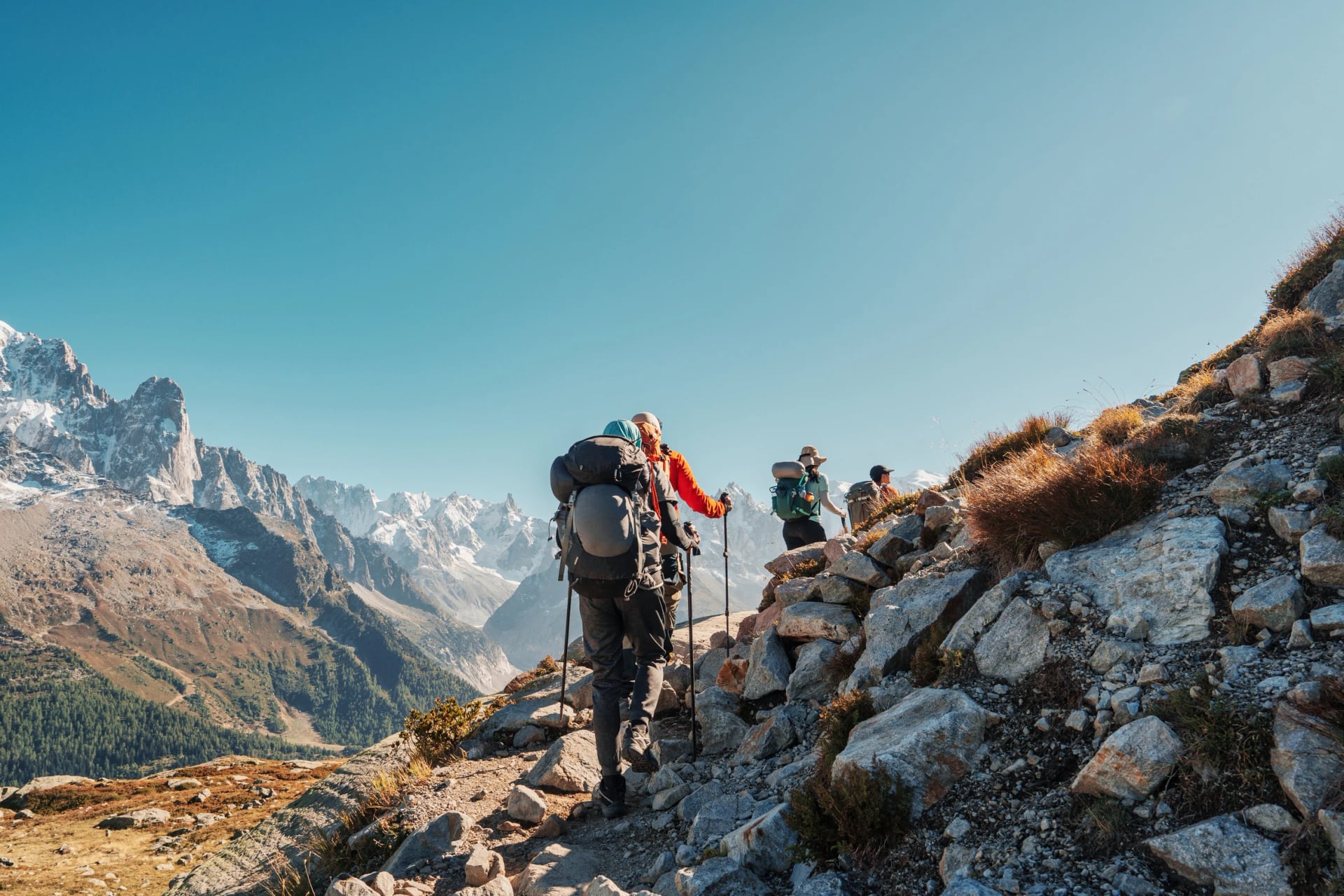
For daily forecasts before high-altitude stages, the Office de Haute Montagne (Maison de la Montagne) in Chamonix is the most reliable source available.
Who Is the TMB in September Actually For?
The trail is fundamentally accessible, the passes are open, and no specialist mountaineering skills are required. But who gets the most from September, and who might be better served by a different window, is still worth thinking through.
September is right for:
Hikers who want the best combination of trail conditions and manageable crowds. The passes are in perfect condition, the refuges are open, and you'll share the trail with a fraction of the August numbers.
Anyone who wants to attempt the demanding variants without queuing for them. The Fenêtre d'Arpette and Mont de la Saxe ridge in early September, on a clear day, are extraordinary. In August, they're extraordinary and crowded.
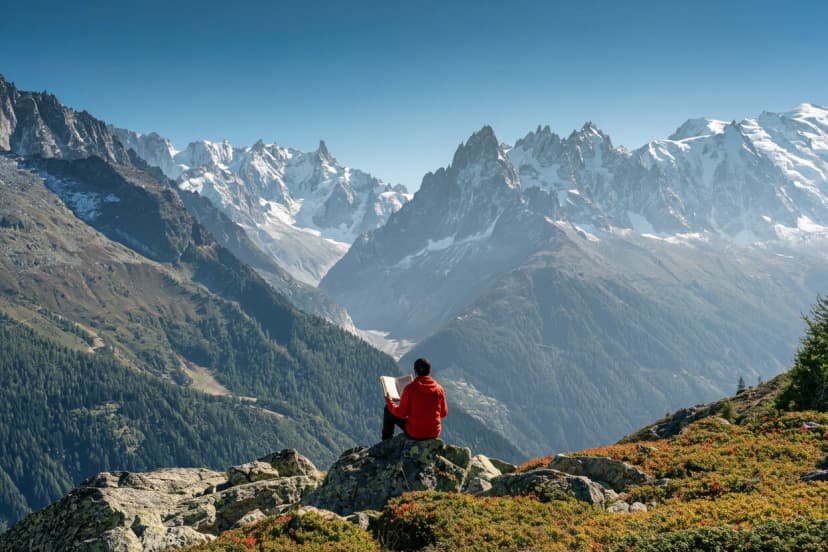
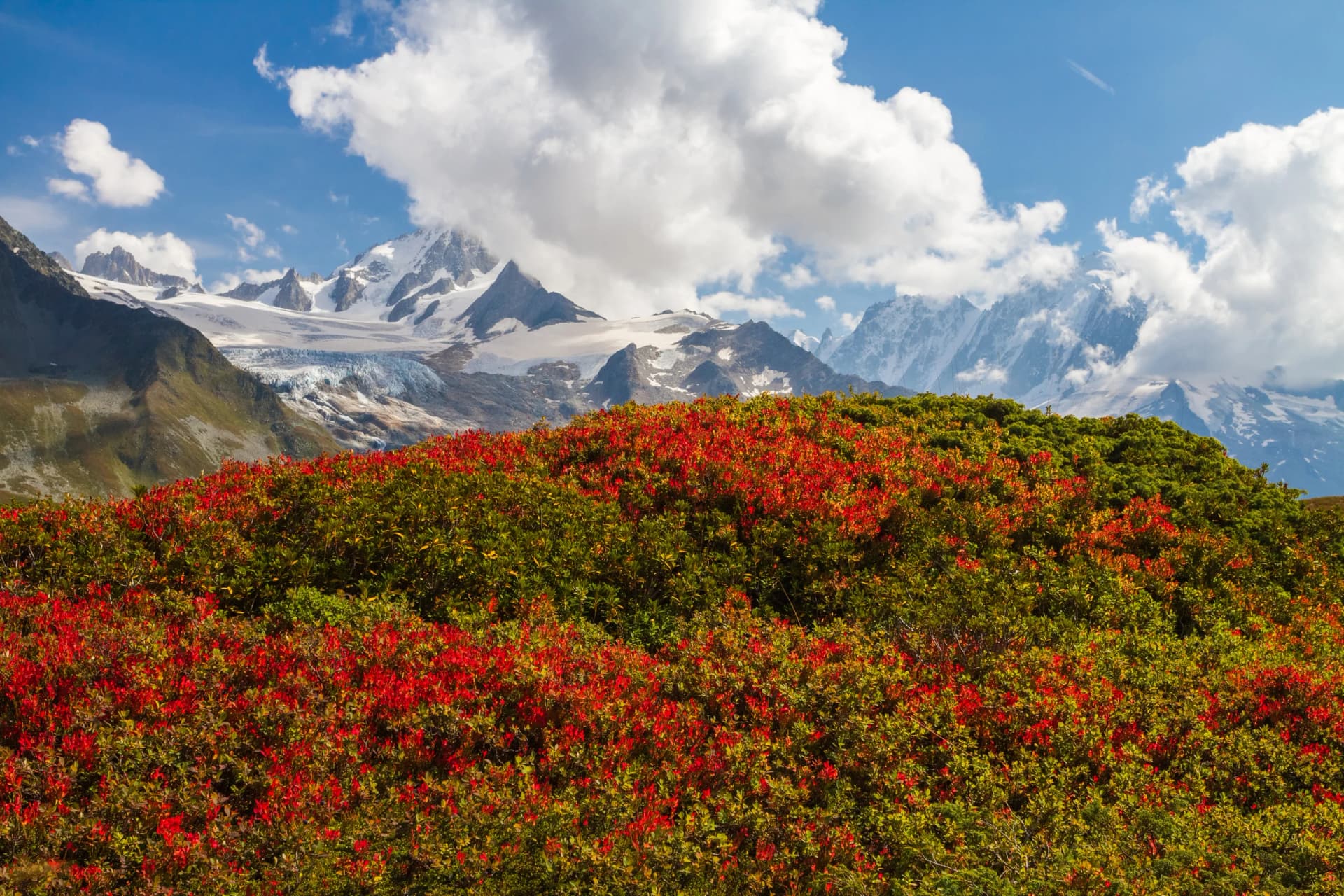
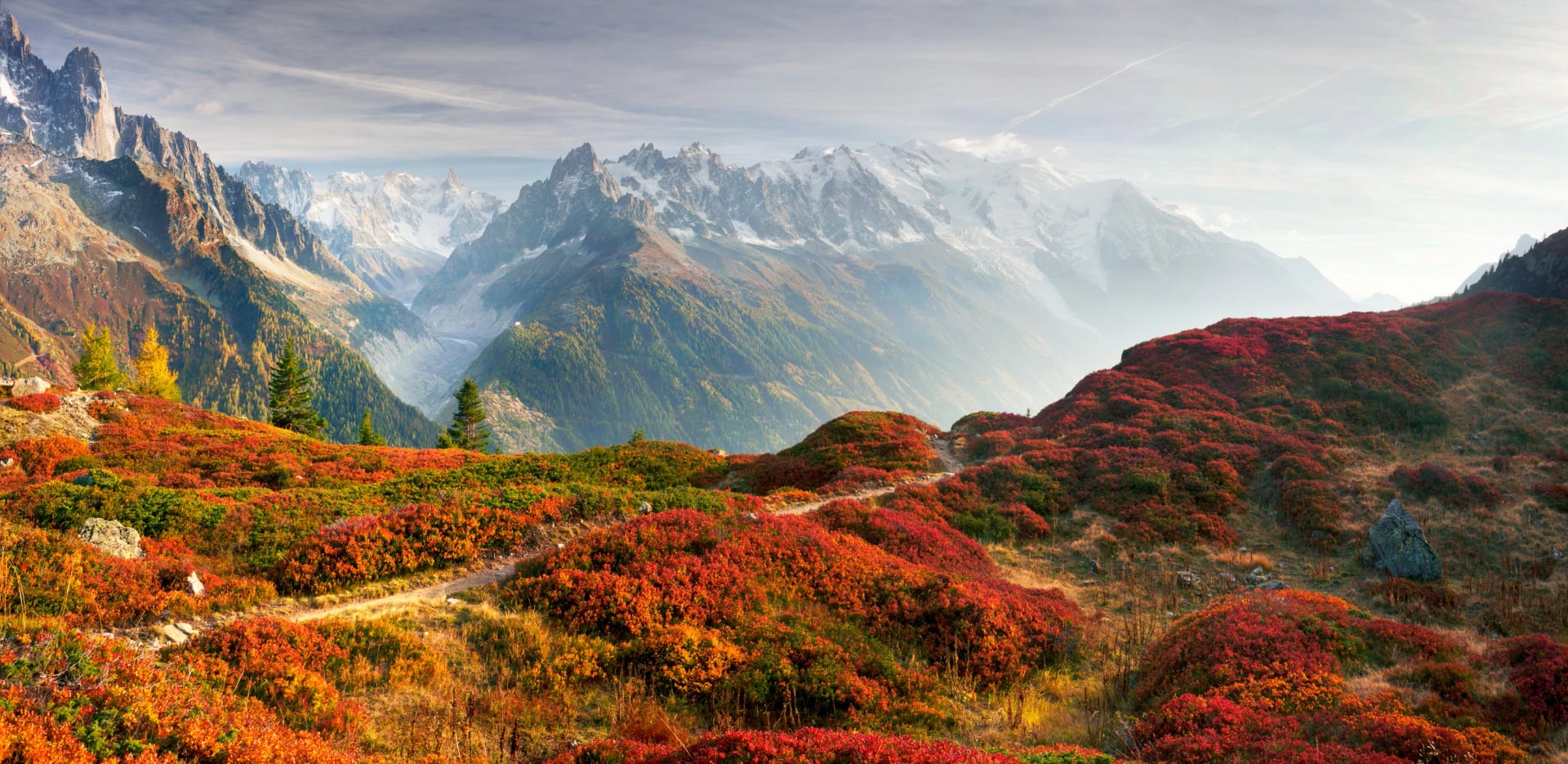
Photographers and anyone for whom the visual quality of the experience matters. September light and autumn colour in the larch forests of the Italian Val Ferret are genuinely worth traveling for.
September is not right for:
Hikers who assume the full July infrastructure will be in place throughout the month. It won't be, and building your itinerary on that assumption creates avoidable problems.
Anyone whose flexibility on the trail is low. Late September in particular requires being able to adapt if a refuge has closed or weather forces a reroute. If your group can't adjust on the day, stick to early September or August.
Late bookers expecting September to be easier to secure than August. The best September refuges fill up months in advance, just like July and August. September is quieter on trail, it is not easier to book at the last minute.
Still deciding which month works for you? Our month-by-month guide to the best time to hike the TMB is a good place to compare your options. When you're ready to take the next step, get in touch — we book refuge places in advance and handle the logistics for you.
Frequently Asked Questions
Is September a good time to hike the Tour du Mont Blanc?
Early September is genuinely excellent. Many experienced guides consider it the best month on the calendar. Trails are clear, most refuges are open, crowds are a fraction of August levels, and the weather is often more stable than midsummer. Late September is more nuanced: quieter and more atmospheric, but requiring careful planning around refuge closures, shorter daylight hours, and the possibility of early snow on the higher passes.
Are TMB refuges open in September?
Most refuges are open through the first half of September. The general closing window is around September 20th, though higher-altitude huts and more remote refuges often close earlier. Valley-level hotels and gîtes in Chamonix, Les Contamines, Courmayeur, and Champex-Lac stay open considerably longer. Always verify individual closing dates before finalising your itinerary. They vary by refuge and by year.
Do I need crampons for the TMB in September?
Not for early September in a normal year. The high passes are snow-free, and standard hiking boots are sufficient for the entire classic route including all variants. From mid-September onward, carrying microspikes as a precaution is sensible, an early snowfall can leave patches on the higher passes that trekking poles can't substitute for.
What is the weather like on the TMB in September?
September is statistically one of the drier months of the season. Early September days are often clear and settled, with warm daytime temperatures at valley level and noticeably colder nights at altitude. From mid-September, temperatures drop more significantly and weather systems can bring cold precipitation that arrives as snow above 2,000m.
When do TMB refuges start closing?
Most refuges close around September 20th, but several higher-altitude and more remote huts close earlier, some as early as mid-September. The closure sequence is not uniform and changes year to year. Check individual refuge closing dates in advance of your trip, particularly if your start date falls after September 10th.

About this author
Suzana is our travel advisor and a hiker who believes the best trails aren't just about the summits. She loves spotting alpine plants, watching wildlife, and the laughs, chats, and snack breaks that make every trail worth walking.