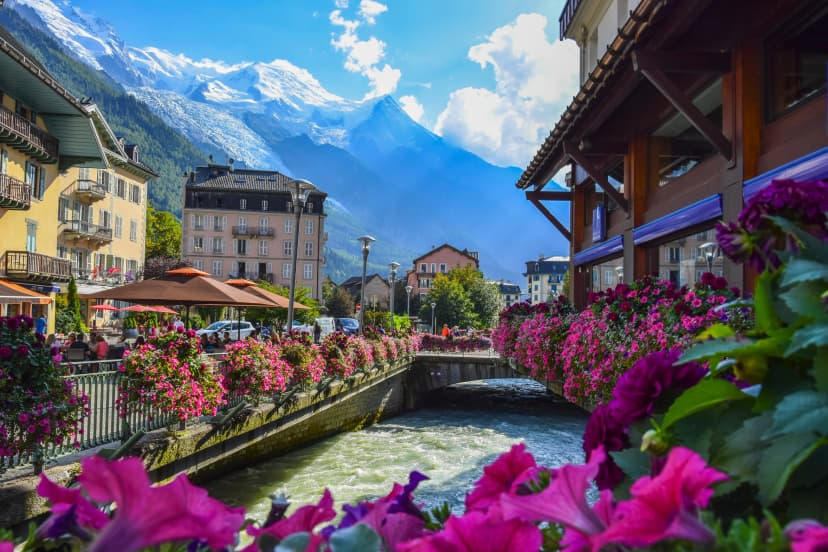
Tour du Mont Blanc in June: Where the Season Starts
June is the TMB's official opening month. But snow on the passes, variable refuges, and unpredictable conditions mean it rewards those who come prepared.

Suzana
Published May 14, 2026
Edited May 20, 2026
15 min read
Quick links
Don't want to read all this?
We've planned 2,000+ hiking trips. Send your dates, fitness and group size — we'll map the route and book every night.



The refuges are unlocking their doors. The trails are marked and passable. The crowds of July and August haven't arrived yet. On paper, June looks like the smart choice. Quieter, cheaper, and just as beautiful. In practice, it requires more preparation, because the high passes are still under snow, conditions vary dramatically between years, and the gap between early June and late June is wider than most people expect.
Here's what the month actually looks like, and what you need to know before you book.
Not sure if June is the right month for you? Our guide to the best time to hike the Tour du Mont Blanc covers all twelve months in one place.
Can You Hike the TMB in June?
Yes. June is the first month of the official season. But official opening and ideal conditions are not the same thing, and that distinction is the most important thing in this post.
The standard Tour du Mont Blanc exists in June, but not from the first day of the month. Refuges open in sequence from around mid-June. Snow on the high passes is a near-certainty in early June and a genuine variable throughout the rest of the month. And how much snow remains, and for how long, depends entirely on that winter's snowfall and spring's melt rate.
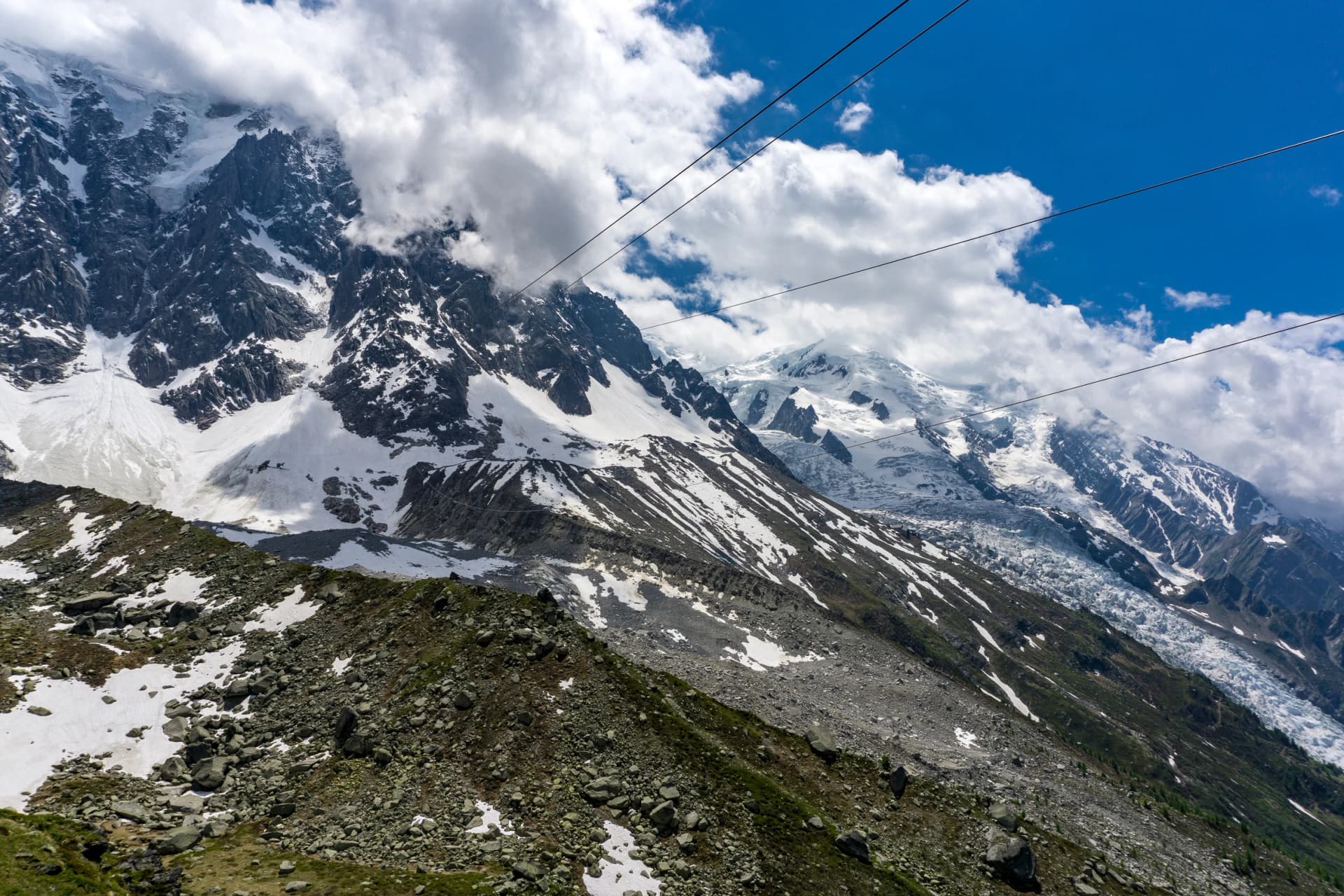
Early June, roughly the first two weeks, is the most demanding period. Some refuges are still closed and the higher passes carry significant snow. It is hikeable for well-prepared, experienced hikers, but it requires crampons, careful planning, and realistic expectations.
Late June shifts the picture considerably. Most refuges are open, the main classic passes are becoming more manageable, and the trail starts to feel like the summer circuit it will be in July. In a low-snow year, late June can be genuinely excellent. In a heavy snow year, even late June requires route management.
The TMB hiking season officially starts from mid-June. If you're weighing June against July, June wins on solitude and loses on predictability. This post gives you the full picture to make that call clearly.
TMB in June: Trail Conditions
June is the month where conditions vary more dramatically than any other in the season. Between years, between weeks, and between individual passes. What follows is the reliable pattern, with the honest caveats where the year-to-year variability matters most.
Below 1,800–2,000m: generally clear, occasionally muddy
The valley sections are largely accessible throughout June. Lower trail sections from Les Houches toward Les Contamines, the valley floors of the Italian Val Ferret, and the Swiss stretch between La Fouly and Champex-Lac are typically passable from the start of the month. Expect mud. Snowmelt creates significant mud on descents and in shaded forest corridors throughout June, particularly in a wet year. It makes downhill sections slower and more physically demanding.
Col du Tricot (~2,120m): accessible in June, usually clear
One of the earliest passes to become manageable. The ascent via the Himalayan suspension bridge is typically safe in June, with some patches near the top in early season. This is the one variant that most experienced guides consider viable throughout June. Beautiful, appropriately challenging, and generally clear of serious snow hazard by mid-month. In early June, check conditions locally before committing.
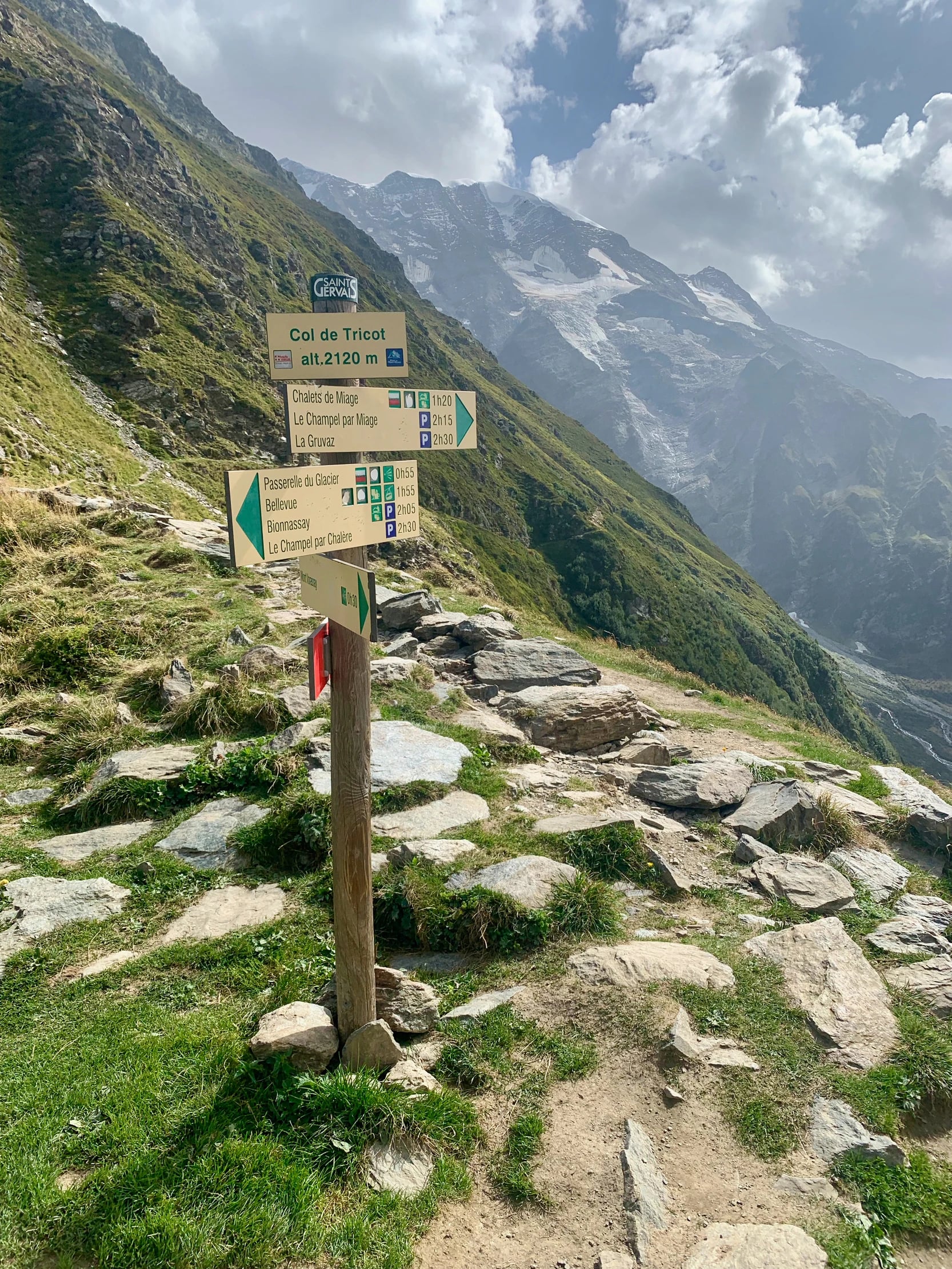
Col du Bonhomme (~2,329m) and Col de la Croix du Bonhomme (~2,483m): significant snow throughout June
These are the critical French passes on Stages 2 and 3, and they are among the snowiest sections of the classic route in June. In a typical year, the trail is snow-free up to around 2,000m, but above that point, expect to be on snow. A well-packed track from previous hikers makes navigation easier, but crampons are essential. The traverse between Col du Bonhomme and Col de la Croix du Bonhomme carries exposed slopes where a slip would be serious.
Col des Fours (2,665m) variant: do not attempt in June
his is steep, exposed alpine terrain in full winter condition throughout most of June. A fall here can be very dangerous. If your itinerary includes a night at Refuge des Mottets, descend to Les Chapieux via the road rather than attempting the variant.
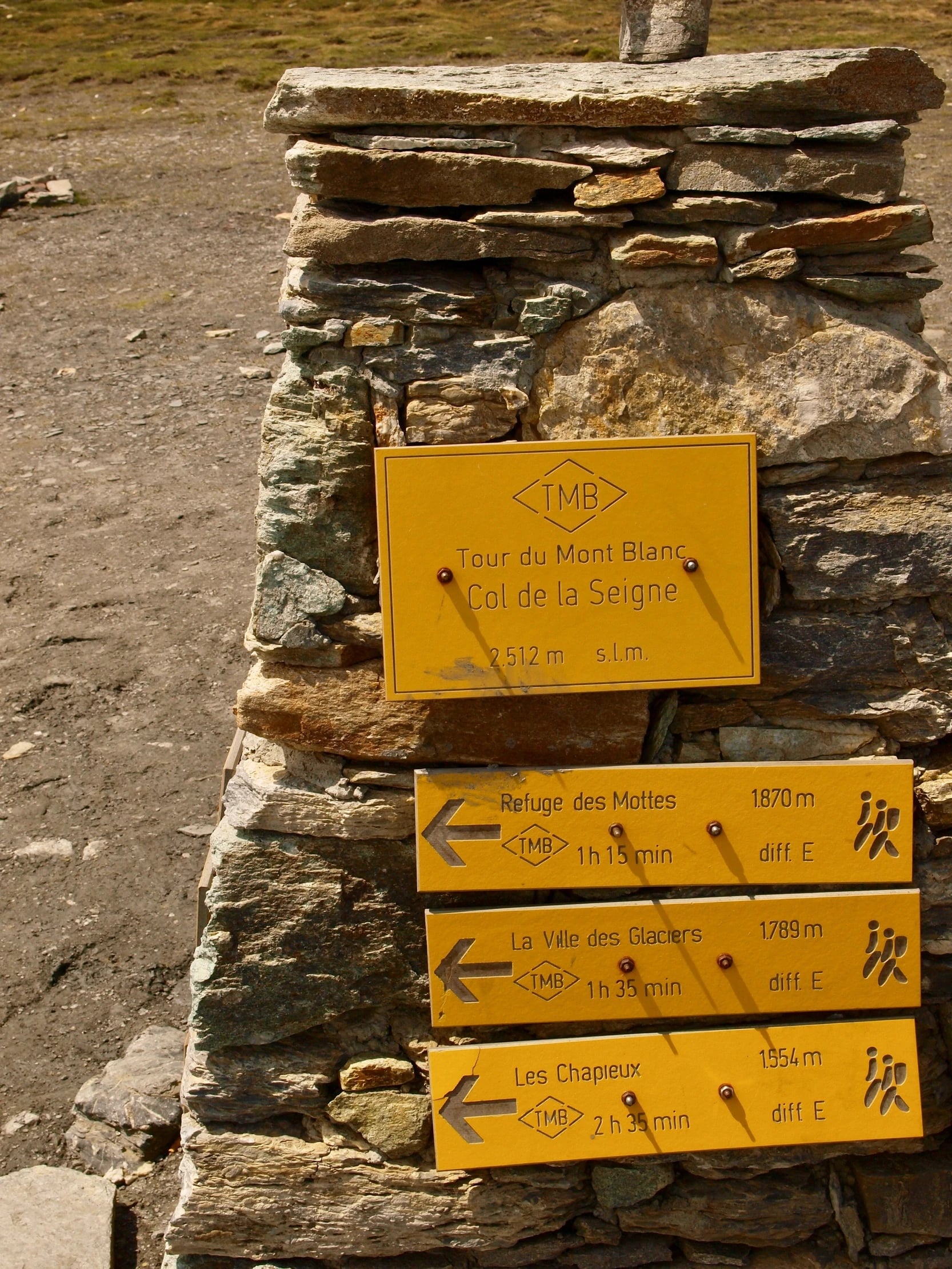
Col de la Seigne (~2,516m, France–Italy border): winter conditions in early June
One of the most consistently snowy passes on the classic route. In early June, expect full winter conditions on the upper slopes. Route-finding on the standard summer path can be difficult under snow cover, and the descent into Italy requires care on steep, consolidated snow. By late June in a reasonable year, the main route becomes passable with crampons and good judgment.
Italian Val Ferret and the area around Rifugio Bonatti (~2,000m): manageable lower down
Below 2,000m in the Italian section, June conditions are generally workable. The direct lower route from Courmayeur to Rifugio Bonatti is largely clear of serious snow. The high ridge route over Mont de la Saxe is a different matter. Avoid it in June.
Grand Col Ferret (~2,537m, Italy–Switzerland border): significant snow, variable by year
This pass holds significant snow in June. The Swiss side is consistently snowier than the Italian approach. In a typical June, expect crampons to be necessary on both the ascent and the Swiss descent. In a bad snow year, be prepared to take the valley alternative.
Champex-Lac to Trient: Alp Bovine route clear, Fenêtre d'Arpette off-limits
The Alp Bovine route between Champex-Lac and Trient is typically free of serious snow in June and is the correct choice for this stage throughout the month. The Fenêtre d'Arpette (2,665m) should not be attempted in June except in exceptional low-snow years and with proper equipment and experience. Treat it as off-limits unless local guides specifically advise otherwise.
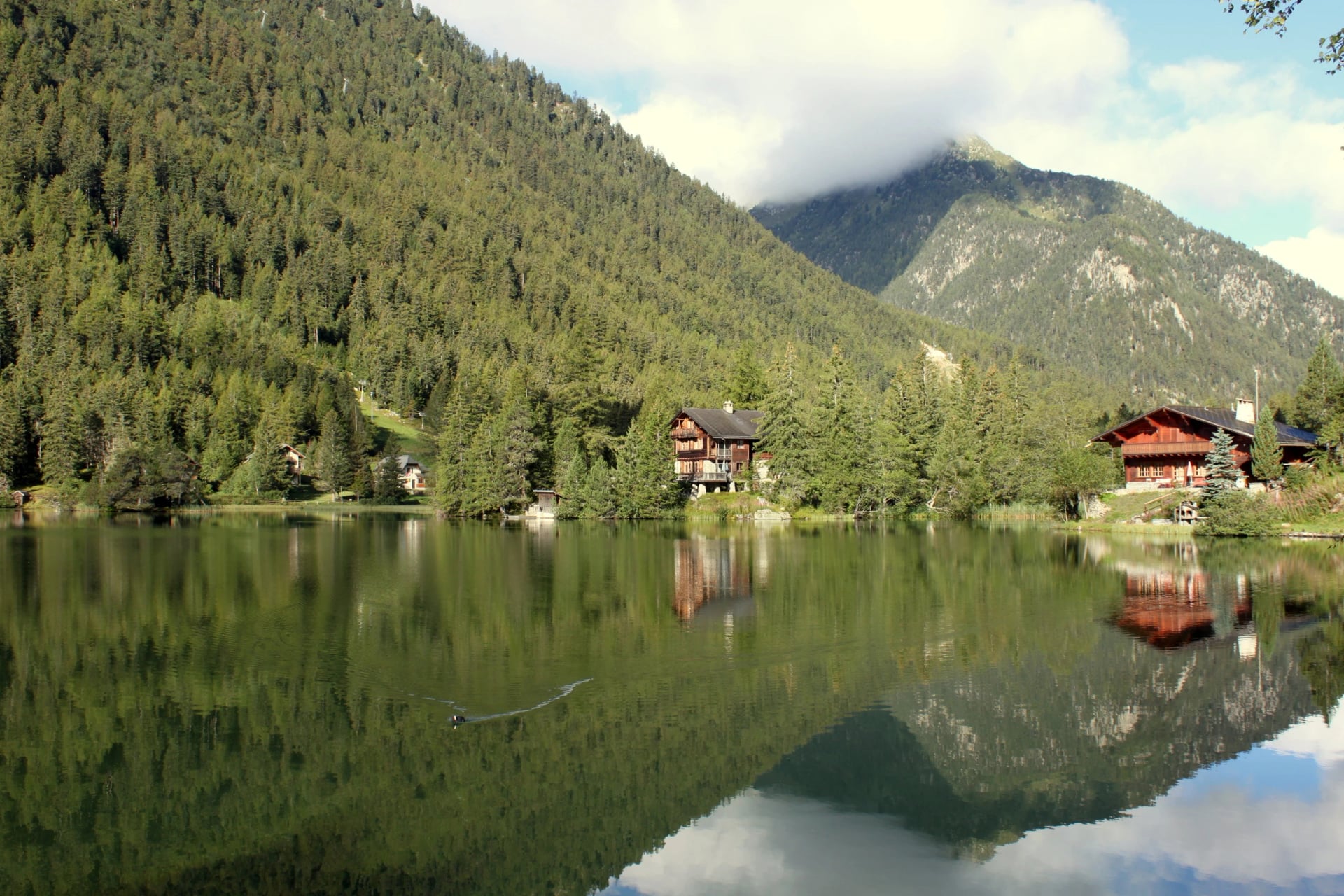
Col de Balme (~2,204m, Switzerland–France border): variable
The French side above Le Tour tends to clear relatively quickly. The Swiss side holds snow longer. In June, take the direct route from Trient to Col de Balme rather than attempting variants. The north-easterly side of the col carries significant snow early in the month, while the westerly side is typically clearer.
Grand Balcon Sud and the Lac Blanc area (~1,900–2,350m): snow-covered in early June, improving through the month
The ladder section approach is typically accessible by mid-June, but above the ladders, the Grand Balcon Sud retains snow throughout much of June. Lac Blanc itself, at 2,352m, is usually still frozen and snow-covered in early June. By late June, in a good year, the Lac Blanc route begins to open, but check conditions locally.
The honest summary: in early June, the classic route is hikeable for experienced, well-equipped hikers, but several key passes require crampons, significant snow experience, and careful planning around which sections to attempt and which to bypass. By late June, the picture improves considerably. In a low-snow year, most of the classic route is passable with microspikes rather than full crampons, and the trail starts to feel like the summer circuit it will become.
An important note before you read on: the June TMB covers a wide spectrum of difficulty depending on when in the month you go and how much snow is left behind. On gentle, well-trodden snow patches, microspikes and experience are sufficient.
On hard, exposed slopes, which are common in early June and in heavy snow years, microspikes are not enough. Full crampons are required, and if you need full crampons on exposed terrain, you also need an ice axe and the skills to use it.
That puts early June in heavy snow years in the same category as May: suitable only for hikers with winter mountaineering experience.
Refuges in June: What's Open and When
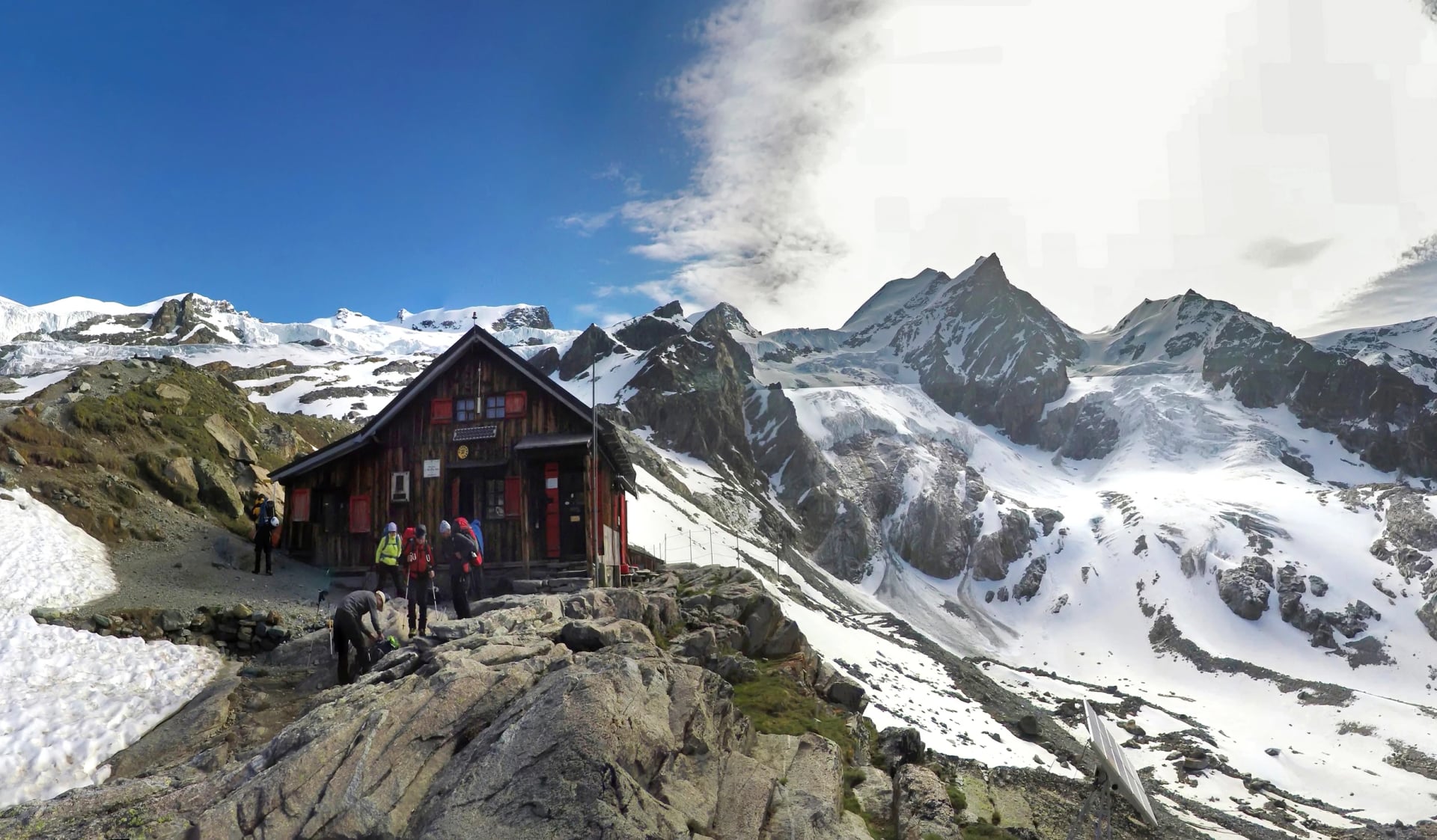
The general pattern is that most TMB refuges open from around mid-June, but this is an average, not a fixed date. Opening dates vary by refuge, by year, and by snow conditions at the specific location. Higher-altitude and more remote refuges tend to open later. Some may delay opening if snow access is still a problem at their altitude.
What this means in practice
If you're starting the TMB in the first week of June, expect several refuges on the standard itinerary to still be closed. You will need to carry camping equipment for nights where no staffed refuge is available, or plan your stages to end in valley towns with hotel accommodation. This is not impossible, but it requires a fundamentally different logistical approach than the summer circuit.
If you're starting in the second or third week of June, the majority of refuges will be opening, but confirm individual opening dates before finalizing your itinerary. A refuge that's listed as opening on June 15th may push that date back if conditions have been difficult. Don't build your itinerary around assumed dates.
If you're starting in the last week of June, the full hut network is largely operational in a normal year. You can plan a classic itinerary with reasonable confidence, though some higher-altitude refuges may still be on limited service.
Some specific opening patterns to know
Refuge Lac Blanc tends to open later than most, given its altitude. Rifugio Elena in the Italian Val Ferret similarly delays opening when the track remains snow-covered. Refuge La Balme, which serves as the last water refill point before the Col du Bonhomme climb, opens progressively and is worth confirming beforehand.
Shuttle buses and cable cars
Some of the shuttle buses that make certain valley stages more manageable operate only from July or late June. Check current operating dates for your specific year rather than assuming peak-season availability.Opening dates shift year to year, and a five-minute phone call or email before you leave can prevent a significant problem on the trail.
Temperatures and Weather in June
June is the coolest and one of the most stable months of the TMB season. But stable in a different sense than July or August. There are fewer afternoon thunderstorms, but the overall unpredictability is higher because the season is just beginning and the mountain is still shedding winter.
At valley level: cool and increasingly warm through the month. Average highs in the Chamonix valley run around 18–21°C (64–75°F), with cooler conditions in the first half of the month. June is one of the drier months of the season, with average monthly rainfall around 70mm. Evenings are cool and require a proper mid-layer.
Above 2,000m: cold, particularly in early June. Morning snow surfaces can be hard and icy, demanding crampons and careful footwork. By afternoon, the same snow softens and becomes easier to walk on but more prone to sudden collapse. Several June condition reports specifically snow bridges as a hazard to watch for and avoid when they look weakened.
Thunderstorms: significantly less frequent in June than in July or August. This is one of the genuine advantages of the month. The reduced afternoon storm risk means you have more flexibility on timing over the passes. That said, unseasonal rain and cold spells do occur in June.
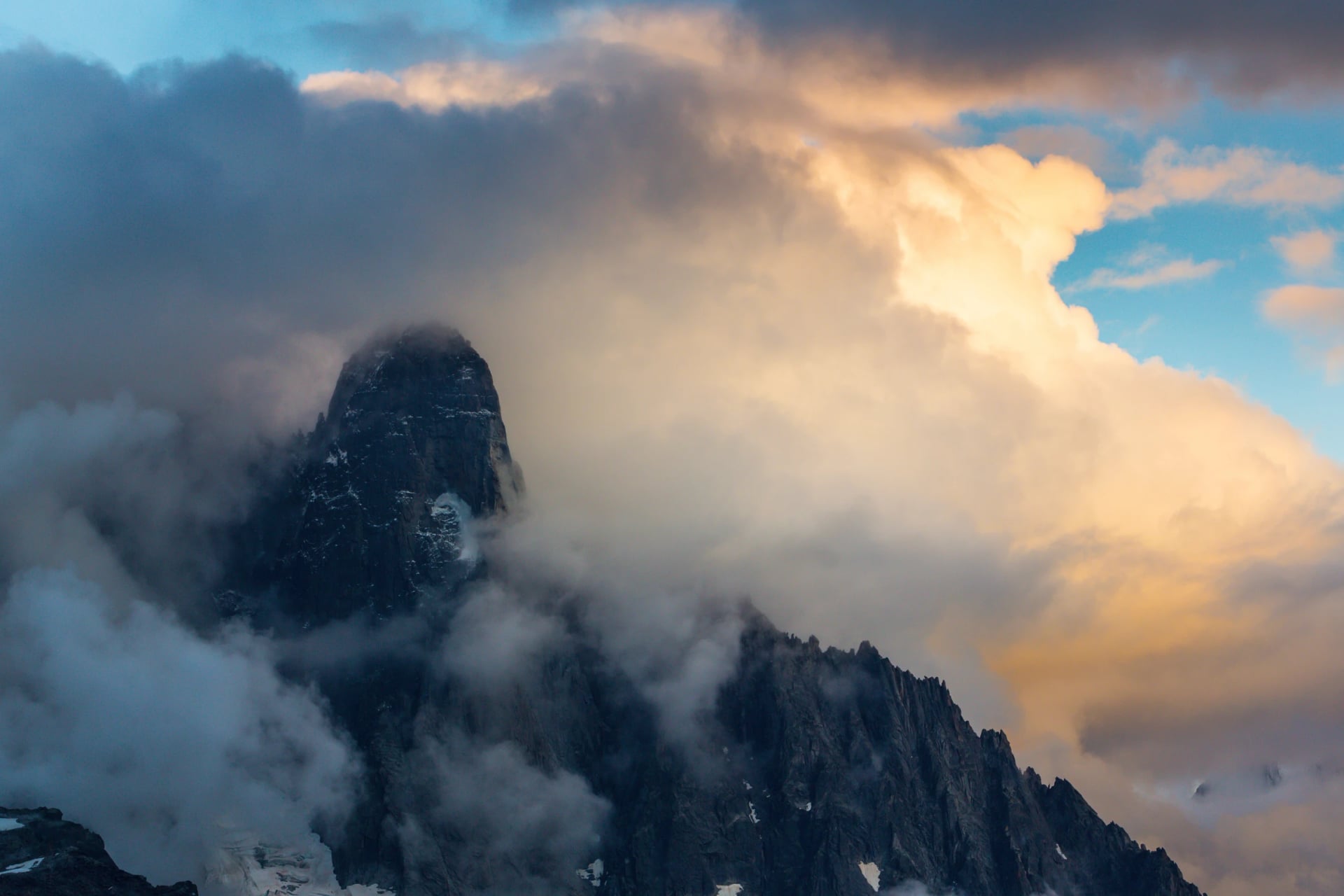
Snowfall: a late snowfall in June is possible, though less common than in May. It can reset conditions on the high passes significantly within 24 hours. Monitor forecasts carefully and check conditions locally with the Office de Haute Montagne (Maison de la Montagne) in Chamonix before each high-altitude stage.
A note on avalanche risk: By June, the most dangerous period of spring avalanche instability has generally passed. But "generally" is doing real work in that sentence.
In June, particularly in early season and after a heavy winter, wet snow avalanches remain a possibility on steeper slopes, especially in the afternoon when surface snow warms and loses cohesion. You don't need to be an avalanche specialist to hike the June TMB, but you do need to know how to read basic avalanche terrain. The avalanche forecast for the Mont Blanc massif is worth checking before any stage that involves significant time above 2,000m.
Who Is the TMB in June Actually For?
June doesn't have the same closed-door limitations as May. The season is open, the infrastructure is coming online, and the circuit is achievable. But who gets the most from June, and who would be better served by July or August, is worth thinking through directly.
June is right for
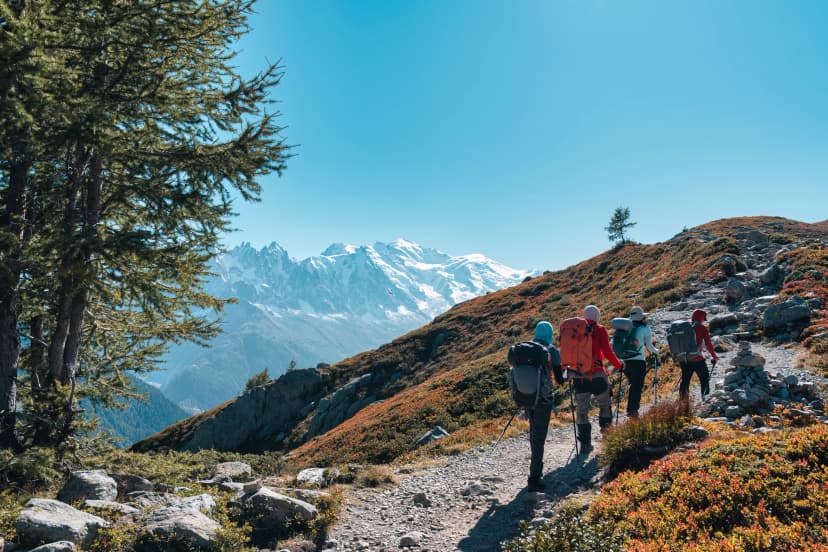
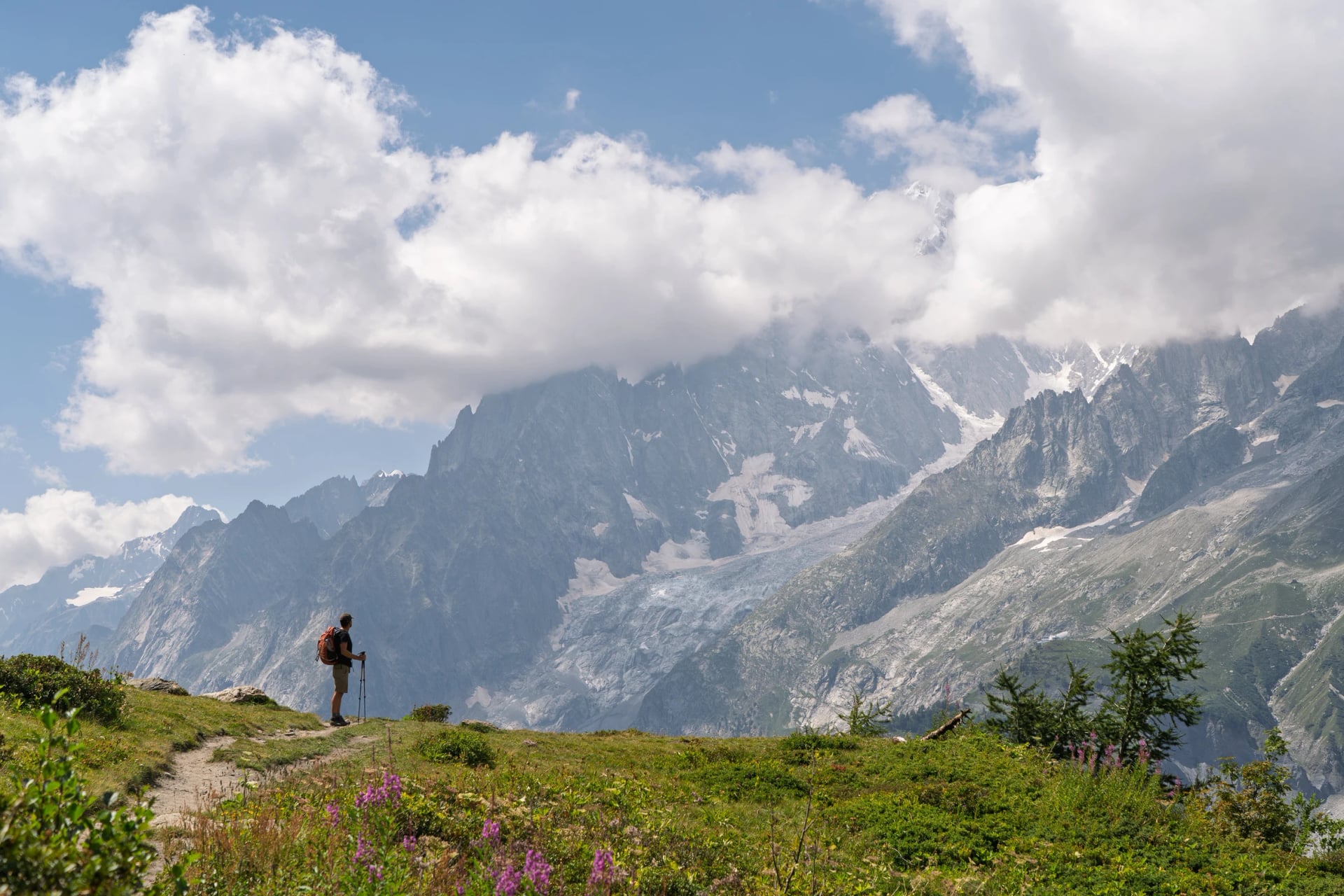
Experienced hikers who are comfortable on snow and have used crampons before. Not necessarily mountaineers, but hikers who have crossed snowy terrain and understand what to do when a section looks more serious than expected.
Anyone who specifically wants the TMB before the crowds. In June, the trail is genuinely quiet. The refuges have breathing room. The passes feel like discoveries. This is what the TMB was like before it became one of the most popular trails in Europe, and June is the only month in season where that quality still exists.
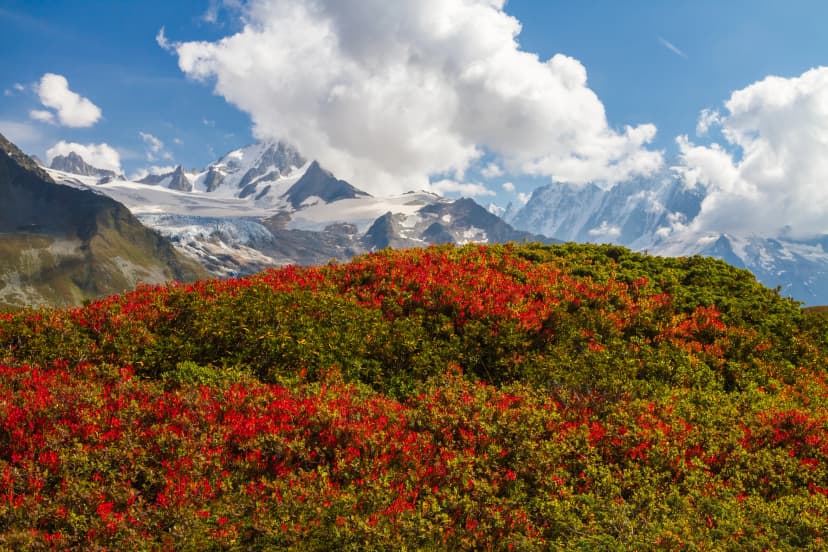
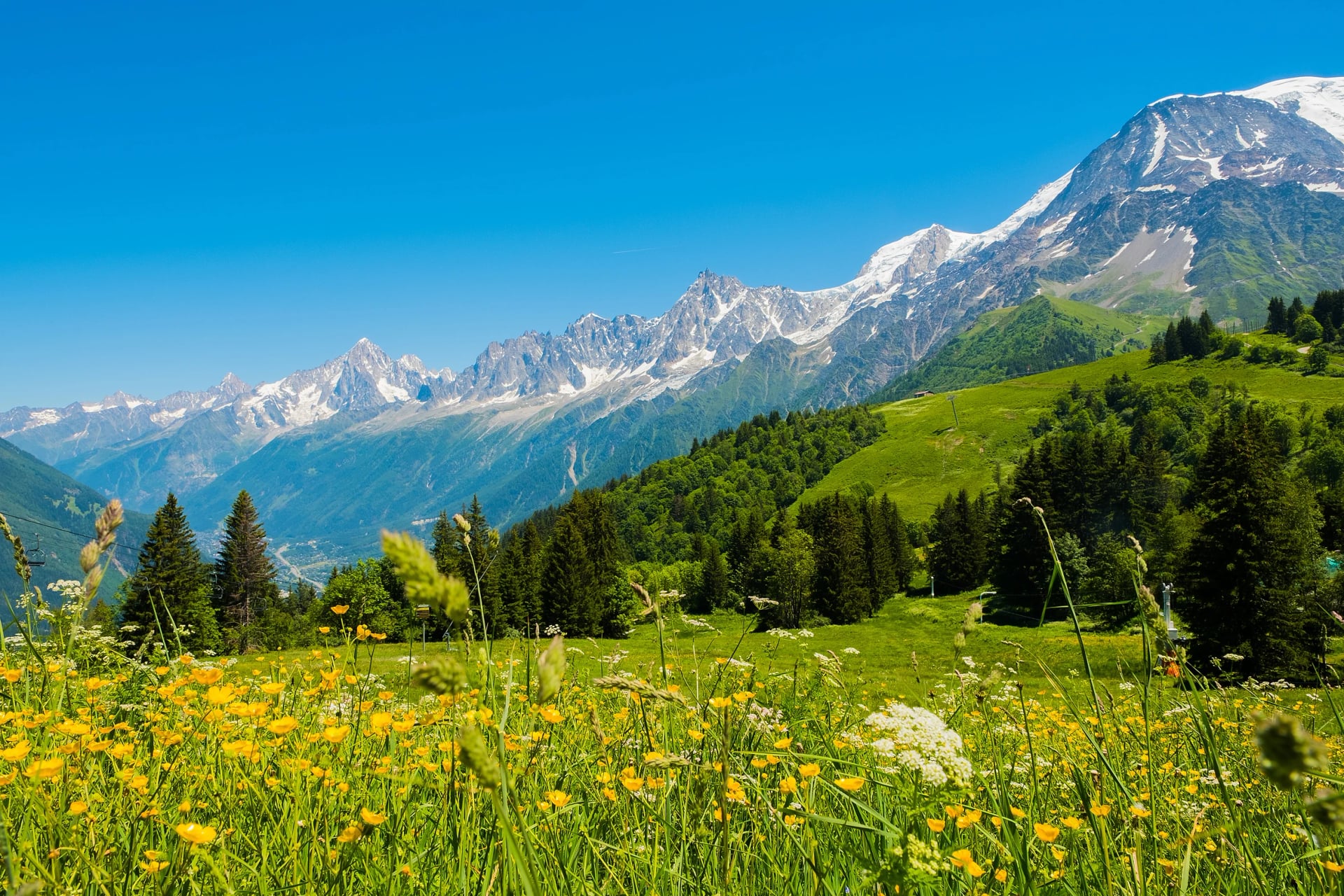
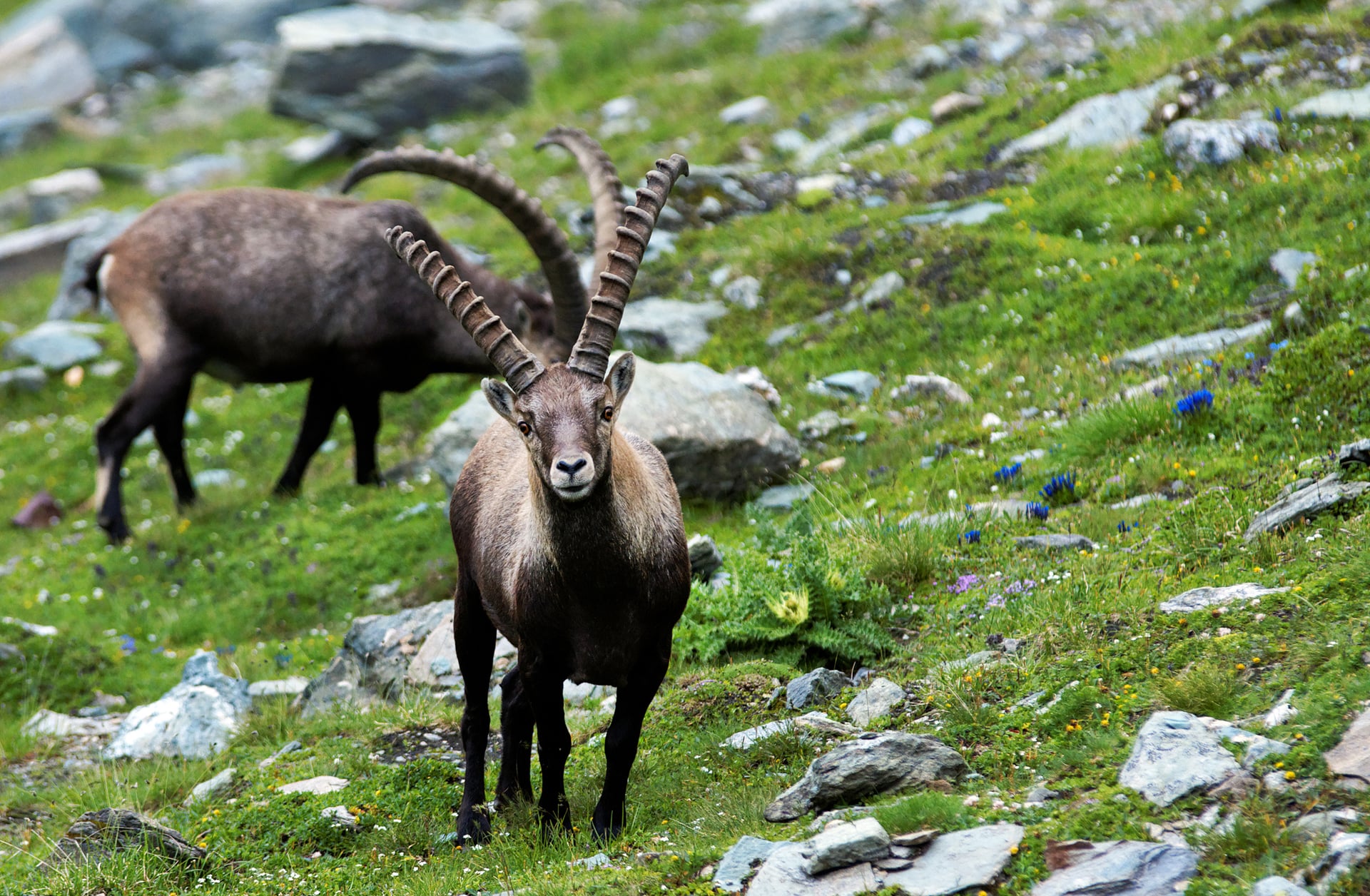
Hikers who want the wildflowers and the wildlife at their peak. The flower display in June is exceptional and unrepeatable later in the season. If this is part of why you're doing the TMB, June is the right month.
Flexible hikers who can adapt their itinerary on the ground. June requires a willingness to take the valley alternative when a pass is too dangerous, to wait a day for conditions to improve, or to reroute a stage when a refuge hasn't opened on schedule.
June is not right for
Standard TMB trekkers who expect the same conditions as July. They won't find them. Snow on the passes, mud on the descents, and some refuges still closed are the realities of early June.
Beginners who have never hiked on snow or used crampons. The June TMB is not a beginner route. The physical demands of hiking on snow compound the already serious challenge of 10,000m of elevation gain across 11 days.
Anyone who can't or won't skip a variant. In June, the Fenêtre d'Arpette and Col des Fours are off-limits for most hikers. If your trip is built around completing those specific sections, plan for late July or August instead.
The full TMB is worth doing properly. Start with our Ultimate Guide to the TMB for the full planning picture, or browse our TMB tours to see what fits your timeframe.
Frequently Asked Questions
Can you hike the Tour du Mont Blanc in June?
Yes. June is the first month of the official TMB season. However, "open" means the trail is passable and refuges are progressively coming online, not that conditions are the same as July or August. The high passes carry significant snow throughout much of June, crampons are necessary for sections above 2,000m, and some refuges don't open until mid-month or later. The trail is fully operational in late June in a normal year.
Do I need crampons for the TMB in June?
Yes, for any section above approximately 1,800–2,000m. In early June and in heavy snow years, full crampons are appropriate for the higher passes. In late June and low-snow years, microspikes with proper metal spikes may suffice on the classic route. The key passes all carry significant snow in June. You need to know how to use your equipment before you arrive.
Are TMB refuges open in June?
Progressively. Most refuges open from around mid-June, but opening dates vary by refuge and by year. Some higher-altitude huts open later. Valley-level hotels and gîtes in Chamonix, Les Contamines, Courmayeur, and Champex-Lac are open. Always verify individual opening dates before finalising your itinerary.
Can I do the TMB variants in June?
Most variants should not be attempted in June. The Fenêtre d'Arpette and Col des Fours are off-limits for the vast majority of June hikers. The Col du Tricot on Stage 1 is the exception: it's typically accessible throughout June and is worth doing in good conditions.
What is the weather like on the TMB in June?
Valley temperatures are cool and pleasant (18–21°C / 64–70°F), with June being one of the drier months of the season. Above 2,000m, conditions remain genuinely alpine. Morning snow surfaces can be hard and icy, softening in the afternoon. Afternoon thunderstorms are less frequent than in July or August, which is one of June's genuine advantages. Late snowfalls are possible, particularly in early June, and can reset conditions on the high passes within 24 hours.

About this author
Suzana is our travel advisor and a hiker who believes the best trails aren't just about the summits. She loves spotting alpine plants, watching wildlife, and the laughs, chats, and snack breaks that make every trail worth walking.